
Home→About→Our People

Our people

Filter staff:
Dr Alex Pryce, with short blond hair, glasses, and a blue jacket, stands outside in a park surrounded by green grass, autumn leaves, and trees in the background.

Dr Alex Pryce

Senior Tutor

Dr Alex Pryce

Senior Tutor

Alex joined St Edmund’s College as Senior Tutor in September 2025. Before joining the College, Alex was the inaugural Course Director for the University of Cambridge Foundation Year which was launched in 2022 and provided a unique pathway to Cambridge for students who had experienced significant educational disadvantage.

Alex completed a DPhil in English at the University of Oxford specialising in contemporary Northern Irish poetry and feminism. She is a Senior Fellow of the Higher Education Academy and a Fellow of the Royal Society of Arts. She was previously a Fellow of Homerton College and a Bye-Fellow of Fitzwilliam College.

Alex’s past professional experience includes setting up Cambridge’s first Foundation Year, work in widening participation and student recruitment at the University of Oxford and research communications at Cranfield University and the Arts and Humanities Research Council.

Dr Mohammed Ahmed, a man with a beard and sunglasses, smiles outdoors in a brown jacket over a light grey cable-knit jumper, with greenery in the background.

Dr Mohammed Ahmed

Post Doctoral Research Associate

Dr Mohammed Ahmed

Post Doctoral Research Associate

Dr Mohammed Ahmed is Policy Lead and Research Fellow at the Woolf Institute.

His research encompasses themes related to historical and modern Muslim-Jewish relations, issues around faith, race and gender in UK communities, and the impact of geopolitics and conflict on inter-faith relations. Dr Ahmed is also Associate Fellow at the DCDC, (UK MOD), where he has advised on security and personnel-related issues. He was formerly Lead Consultant at Good Faith Partnership, a social consultancy working between the UK Parliament and faith communities. A former Cambridge Trust MPhil and PhD scholar at St Edmund’s College, he was Vice President of the CR 2020-21 and captain of the college and university pool team.

Contact Dr Ahmed:
He welcomes opportunities to collaborate: mia41@cam.ac.uk

Dr Emily Bassett, a woman with fair skin and brown hair pulled back, wearing a red blouse, smiles softly at the camera against a plain white background.

Dr Emily Bassett

Post Doctoral Research Associate

Dr Emily Bassett

Post Doctoral Research Associate

Dr Emily Bassett is currently a Research Associate at the MRC Biostatistics Unit, working on how researchers might better communicate and understand causal language.

Emily completed her PhD in Philosophy at the University of Warwick in 2024 whilst working at the Unit. Her thesis focused on how we might understand shame as a moral emotion, attempting to reconcile our intuitions around shame’s moral importance with its reputation as a heteronomous, shallow, and narcissistic emotion. Prior to her PhD, Emily completed an MPhil in Philosophy which argued in defence of different kinds of epistemic responsibility for testimony.

Dr Steven Samols, with a shaven head and short beard, looks directly at the camera with a neutral expression, wearing a dark knitted jumper against a plain white background.

Dr Steven Samols

Research Associate

Dr Steven Samols

Research Associate

Dr Samols is a ISGAP-Woolf Institute Postdoctoral Fellow. His research explores the connections between European history, Jewish studies, and visual cultures across the twentieth century. His work focuses on vernacular media forms such as photobooks, analysing how they shaped understandings of Jewish history for both Jews and wider publics. Samols holds a PhD in History from the University of Southern California (2023), an MSc in European studies from the London School of Economics (2016) and a BA in history from New York University (2012). He has received grants and fellowships from the German Historical Institute, the United States Holocaust Memorial Museum, the Association for Jewish Studies, the Leo Baeck Institute, and the Israeli Council for Higher Education.

Dr Vibhuti Patel, with straight, shoulder-length black hair and brown skin, is smiling slightly in a white top. The blurred background features muted colours.

Dr Vibhuti Patel

Bye-Fellow

Dr Vibhuti Patel

Bye-Fellow

Dr Vibhuti Patel is Head of Development, Southeast Asia and Australasia in the University of Cambridge Development and Alumni Relations office, building philanthropic partnerships for the Collegiate University in those regions. She previously worked at the University Research Office, where she looked after industry partnerships and research impact for the School of the Biological Sciences.

Prior to joining the University of Cambridge, Vibhuti worked in various roles across publishing, strategic partnerships and international development for the Royal Society of Chemistry.She has a background in biochemistry, completing her B.Sc. and Ph.D. at the University of Warwick. As part of and alongside her career roles, Vibhuti has provided training on knowledge exchange and research impact and consulted on research impact for the European Commission and for funding agencies in Chile.

Dr Claire Barlow, a person with short brown hair and glasses, wearing a maroon shirt, smiles gently whilst sitting in a room with bookshelves in the background.

Dr Claire Barlow

Director of Studies

Dr Claire Barlow

Director of Studies

Claire is Director of Studies for Manufacturing Engineering

A young person with short black hair and glasses smiles whilst sitting on a rooftop terrace. They wear a navy Cambridge sweatshirt. Historic buildings and a cloudy sky are in the background, evoking the scholarly spirit of Dr Jerry Chen.

Dr Jerry Chen

Director of Studies

Dr Jerry Chen

Director of Studies

Jerry is the Director of Studies for Land Economy

Norfolk Building and Chapel

Dr Nicky Butler

Director of Studies

Dr Nicky Butler

Director of Studies

Nicky is Director of Studies in Graduate Medicine (Clinical)

Dr Aitichya Chandra, a man with short black hair, a beard, and glasses, is wearing a dark suit, white shirt, and grey tie while posing against a plain white background.

Dr Aitichya Chandra

Post Doctoral Research Associate

Dr Aitichya Chandra

Post Doctoral Research Associate

Dr Aitichya Chandra is a Research Associate in Resilient Networks with the Asset Management Group at the Institute for Manufacturing (IfM). His research explores the behaviour of complex networked systems under disruption, focusing on intelligent, adaptive strategies that enhance resilience and sustainability. Within the Group, he leads the design of dynamic resilience solutions for Boeing (USA) and contributes to the UK’s National Hub for Decarbonised, Adaptable, and Resilient Transport Infrastructures (DARe). Dr Chandra earned his PhD in Transportation Systems Engineering from the Indian Institute of Science (IISc), Bengaluru, in 2024. His doctoral work developed analytical frameworks to optimise terminal airspace performance, improve en-route network coordination, and support resilient gate-to-gate operations. A recipient of the Prime Minister’s Research Fellowship (2020–2023), he also holds an ME in Transportation Engineering and a B.Tech in Civil Engineering. His interests span network science, intelligent & dynamic decision-making, and optimisation of complex systems.

Dr Jose Arnal, a man with short dark hair and a beard, wearing a dark suit, white shirt, and dark tie, is smiling at the camera in front of a plain light-coloured background.

Dr Jose Arnal

Post Doctoral Research Associate

Dr Jose Arnal

Post Doctoral Research Associate

Dr Jose Arnal is a Natural Sciences and Engineering Research Council of Canada (NSERC) Postdoctoral Fellow in the Department of Engineering at the University of Cambridge. His research interests lie at the intersection of fluid mechanics and data science, with a focus on developing methods that optimally combine engineering models with sparse and noisy data.

In his current role, Dr Arnal works on the development of computational techniques for improved imaging of cardiovascular flows by leveraging both theory and data. These approaches enable the construction of patient-specific cardiovascular digital twins while substantially reducing data acquisition time compared with traditional imaging technologies.

Dr Arnal completed his PhD in Aerospace Science and Engineering at the University of Toronto. During his doctoral research, he developed a computational model of the solar wind—the continuous outflow of solar plasma—that integrates mathematical descriptions of space plasmas with observational data from spacecraft beyond Earth’s orbit.

Dr Sid Gumber

Dr Siddharth Gumber

Post Doctoral Research Associate

Dr Siddharth Gumber

Post Doctoral Research Associate

Dr Gumber is a ‘Mountain Climate Scientist’ at the British Antarctic Survey, in Cambridge. He is also a Senior Member of St Edmund’s College, Cambridge. His focus is on high-resolution regional climate modelling, with an emphasis on understanding the role and future of mountain glaciers as a water resource, particularly in the Himalayas and Alps.

Before moving to the UK, he earned undergraduate and doctoral degrees in Chemical and Mechanical Engineering (cloud microphysics) in India. His PhD led to advances in understanding the transformation of vehicle-mediated particles into cloud droplets over congested and heavily urbanised Indian cities. This involved a collaboration with the Indian Institute of Tropical Meteorology, Pune (Ministry of Earth Sciences, Government of India) under the aegis of the Cloud Aerosol Interaction and Precipitation Enhancement Experiment.

Outside research, he enjoys reading about the natural world and exploring ways to rethink our relationship with mountains and rivers as more than just landscapes.”

Blaise Mafuko Nyandwi

Dr Blaise Mafuko Nyandwi

Bye-Fellow

Dr Blaise Mafuko Nyandwi

Bye-Fellow

Dr Blaise Mafuko Nyandwi is a volcanologist and disaster risk specialist at the University of Goma (DRC), where he serves as Senior Lecturer at the School of Volcanology, Disaster Risk and Catastrophe Management. He holds a BA and MSc in Geology from the University of Goma, an MSc in Environmental Engineering from the University of Burundi, and a PhD in Volcanology from the Vrije Universiteit Brussel. His research focuses on volcanic risk mitigation and community-based disaster risk reduction in the Virunga Volcanic Province.

He also is actively engaged in community-based initiatives to improve risk awareness and resilience, working with secondary schools in Goma such as coordinating an online DRR community between students in Goma and Sheffield (UK). He also supports local DRR stakeholders in strengthening operational practices. For over five years, he has contributed as a volunteer with the Start Network, supporting anticipatory action, particularly for flood risk in the DRC.

Dr Liam Saddington, smiling in a light blue button-up shirt, stands in front of a wall covered with bright green ivy leaves.

Dr Liam Saddington

Bye-Fellow

Dr Liam Saddington

Bye-Fellow

Dr Liam Saddington is a political and environmental geographer based in the Department of Geography. His research examines the geopolitics of climate change with a particular focus on small island developing states. He has undertaken research in Fiji, Tuvalu, Antigua and Barbuda, Seychelles and Cabo Verde.

He contributes to undergraduate and postgraduate teaching within the Department. He is particularly interested in pedagogic innovations; outreach and widening participation; and connecting geography across primary, secondary and higher education.

Andrea Degasperi

Dr Andrea Degasperi

Post Doctoral Research Associate

Dr Andrea Degasperi

Post Doctoral Research Associate

Dr Degasperi holds a PhD in Computational Biology and has more than ten years of postdoctoral experience in Systems Biology, Computational Biology, and Computational Genomics, with a focus on cancer research. His work has resulted in several high-impact first-author publications in leading journals such as Science and Nature Cancer.

He has industry experience in the research and development division of a large pharmaceutical company, where he developed machine learning methods for drug activity prediction using cancer multi-omics data.

His research includes the development of cancer mutational signatures and their application to personalised medicine, with multiple publications as both first author and co-author.

He has over a decade of close collaboration with experimental scientists, contributing to projects ranging from mathematical modelling of signalling pathways to the analysis of genomics data derived from cellular systems, xenografts, and patient samples.

Julia Wdowin

Dr Julia Wdowin

VHI Affiliate Member

Dr Julia Wdowin

VHI Affiliate Member
Dr Julia Wdowin is a Research Associate at the Bennett School of Public Policy. Julia is a scholar with research interests in normative welfare economics, applied ethics, and public policy. Her work focuses on multidimensional approaches to economic development and inequality measures, and economic measurement issues. Her research to date includes theoretical and empirical work in the areas of economic welfare and well-being measurement (with a particular interest in applications of Sen’s capability approach), inequality measurement, comprehensive wealth measurement and natural capital asset valuation. Julia holds a PhD, AdvDip and BA from the University of Cambridge.

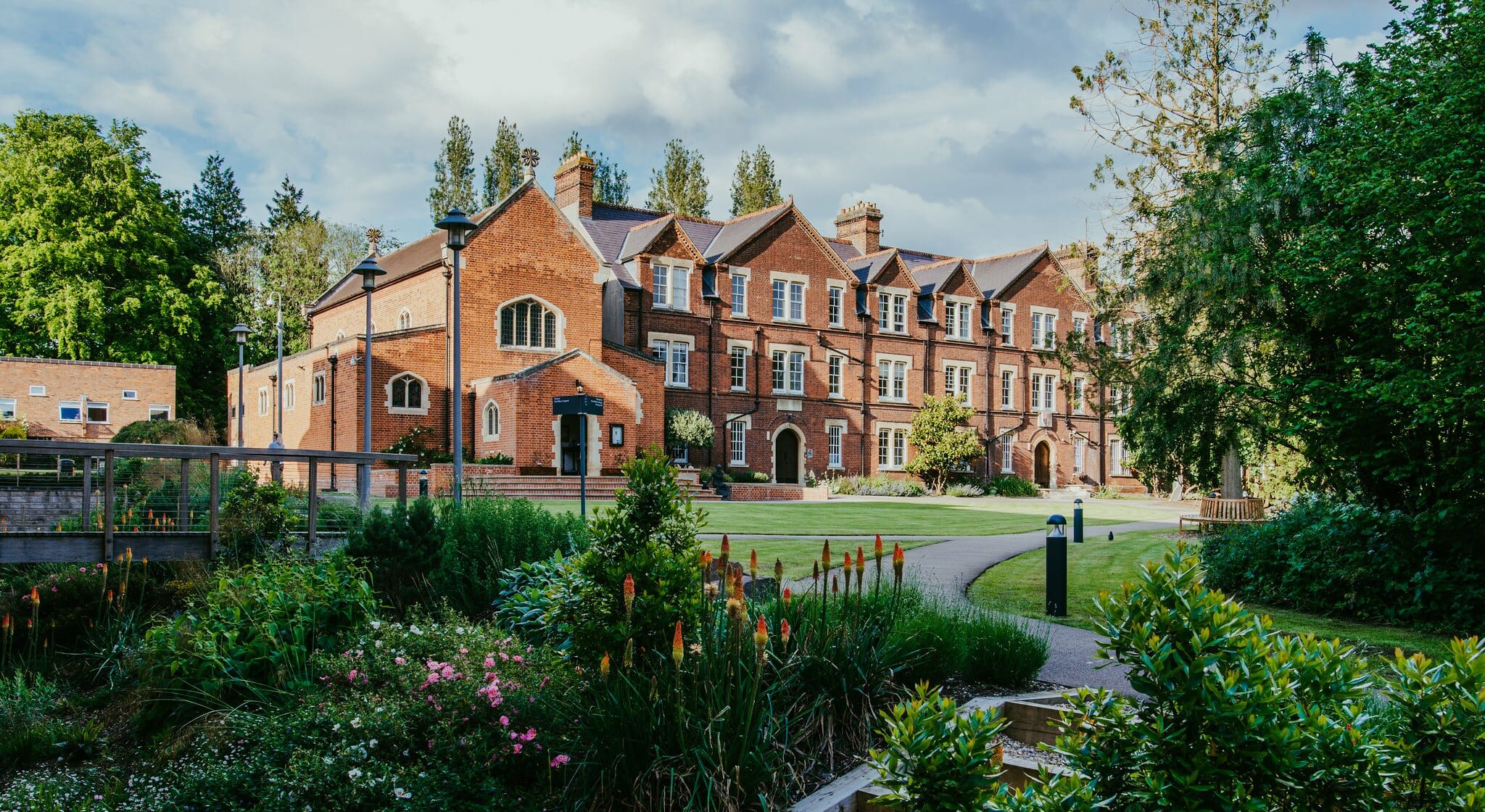
A large brick building with multiple chimneys and dormer windows sits surrounded by lush green gardens, where flowering plants bloom under a partly cloudy sky. A curved path leads to the entrance, ready for the Master's welcome.

Dr Robin Chatterjee

Fellow, Director of Studies
Dr Robin Chatterjee

Fellow, Director of Studies
  • Director of Studies: Management Studies
  • Fellow in Accounting, Judge Business School

Robin Chatterjee joined the Judge Institute of Management Studies as a University Lecturer in Accounting, having qualified as a Chartered Accountant at Price Waterhouse in London (now PricewaterhouseCoopers). Prior to joining Price Waterhouse he conducted post-doctoral work in the Economics Faculty, having earlier completed a PhD on 'Takeover and Company Performance', also at the Faculty of Economics, University of Cambridge. Robin initially came up to Magdalene College, Cambridge in October 1990 to read for an MPhil degree in Finance, having graduated in Mathematics and Management Studies from King's College, London.

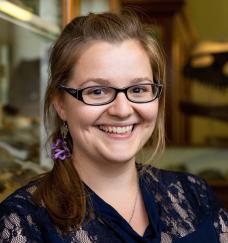
Dr Charlotte Kenchington, a smiling woman with glasses and brown hair tied to the side, wearing a dark lace top and a purple hair bobble, stands indoors with display cases and blurred objects in the background.

Dr Charlotte Kenchington

Fellow, Director of Studies, Tutor, Deputy Praelector

Dr Charlotte Kenchington

Fellow, Director of Studies, Tutor, Deputy Praelector
Leverhulme Trust Early Career Fellow, Department of Earth Sciences

Charlotte is a palaeobiologist based at the Department of Earth Sciences in Cambridge. Her research focuses on the ecology and diversity of the first large, complex macro-organisms – the Ediacaran Biota – which include fossils of some of the earliest animals. Charlotte’s field areas include southern Namibia, central England, and Newfoundland (Canada). She is currently funded by a Leverhulme Early Career Research Fellowship and the Isaac Newton Trust. She is actively engaged in undergraduate teaching in the Department, and especially loves teaching on field courses.

Charlotte was a Postdoctoral Research Fellow at Memorial University of Newfoundland in 2016-2018, researching the ecology of marine meiofauna under mentorship of Prof. Duncan McIlroy. She completed her PhD at the Department of Earth Sciences in Cambridge under supervision of Prof. Nick Butterfield and Philip Wilby (British Geological Society), awarded in 2016. Before that, she gained her BA(Mod) in Geology from Trinity College Dublin, Ireland, graduating with a Gold Medal and high first class honours degree in 2011.

Dr Linda King Headshot

Dr Linda King

Fellow, Tutor, Director of Studies

Dr Linda King

Fellow, Tutor, Director of Studies
Dr King is a physiologist by training. Her research previously focused on changes in cardiac metabolism in ischaemia and diabetes. She is now working on a new area looking at ancient DNA as a reflection of environmental change in Egypt, Sudan and the Fenlands.

Dr King completed her undergraduate degree at the University of Witwatersrand, and MSc and PhD in Cape Town, in South Africa. She then undertook post-doctoral research at the Department of Biochemistry at the University of Oxford, followed by a period at Pharmacology at Imperial College. She has taught for many years at the University of Cambridge and Anglia Ruskin University, and has extensive experience in teaching of physiology, biochemistry, cell and developmental biology, and genetics. She is an associate professor and was Deputy Head of the School of Life Sciences in charge of student experience, curriculum development, learning and teaching, and apprenticeship delivery for nine years. Her current focus is on teaching, research and pastoral support of students. She is working in collaboration with colleagues at Cambridge, UCL, Manchester and in Luxor.

LinkedIn profile

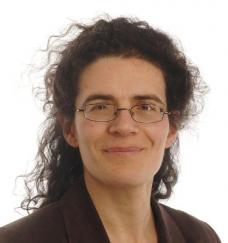
Dr Anna Spathis, with curly dark hair, glasses, and a slight smile, is wearing a dark blazer against a plain white background.

Dr Anna Spathis

Fellow, Director of Studies
Dr Anna Spathis

Fellow, Director of Studies
  • Director of Studies: Graduate Medicine Programme (Clinical)
  • Associate Professor (Honorary Consultant) in Palliative and End of Life Care

Anna Spathis trained in hospital medicine, general practice and palliative medicine, before working as a palliative medicine consultant in the NHS for over a decade. Since 2019, she has been employed by the University of Cambridge, continuing to work clinically as an honorary consultant in the Cambridge Breathlessness Intervention Service, Cambridge University Hospitals NHS Foundation Trust.

Her research focuses on designing and testing of complex interventions for the management of chronic symptoms caused by long-term conditions, particularly breathlessness and fatigue. She has a particular interest in the development of health professional educational tools that facilitate symptom management by providing treatment rationale and structure.

Anna is the Specialty Director for the palliative care clinical course within the Cambridge School of Clinical Medicine, Academic Lead for the East of England Specialty Training Committee and a Fellow of the Higher Education Academy. She is a Fellow and Clinical Director of Studies at St Edmund’s College, University of Cambridge.


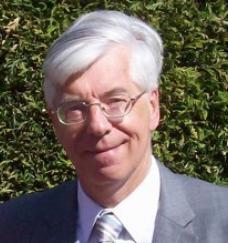
Dr Denis Alexander, an older man with white hair and glasses, wearing a light grey suit and striped tie, stands outdoors in front of green foliage, smiling slightly at the camera.

Dr Denis Alexander

Emeritus Fellow

Dr Denis Alexander

Emeritus Fellow

Dr Alexander spent 40 years in the sciences, first in the field of neurochemistry, then human genetics, and finally in molecular immunology, spending 15 years helping to develop new science initiatives in the Middle East. Dr Alexander is also engaged in the academic field of science and religion.

Dr Alexander was an Open Scholar at Oxford University reading Biochemistry [1964-1968] before a PhD in Neurochemistry at the Institute of Psychiatry, London University [1968-1971]. This was followed by a period of 15 years helping to develop scientific research in the Middle East [1971 – 1986], first in Ankara, Turkey, at Hacettepe University and the Middle East Technical University, and then as Associate Professor of Biochemistry on the medical faculty of the American University of Beirut, Lebanon, where he helped to establish the National Unit of Human Genetics in the Department of Pediatrics. Working in Beirut [1981-1986] involved three evacuations due to political violence. After the third and final evacuation Dr Alexander returned to the UK to take up a position as a Visiting Research Fellow at the Imperial Cancer Research Fund [now Cancer Research UK] in London [1986 – 1989], before becoming a Project Leader at The Babraham Institute, and establishing a new research laboratory in molecular immunology, initially entitled the ‘T Cell Laboratory’. Dr Alexander eventually became Head of this expanded laboratory, incorporating the research teams of five Project Leaders, re-named as the Laboratory of Lymphocyte Signalling and Development, also becoming Chair of the Programme of Molecular Immunology. During this period Dr Alexander had consultancies with Biogen and GenMab; served on the Babraham Executive Committee and on the BBSRC Biochemistry and Cell Biology Grants Committee; and became a Fellow of St. Edmund’s College in 1997. During his final two years at The Babraham Institute [2006 – 2008], Dr Alexander worked as a part-time Senior Affiliated Scientist.

Upon retirement from active science, Dr Alexander further developed his interests in the academic field of science and religion, co-founding The Faraday Institute for Science and Religion as part of St. Edmund’s College in 2006, and becoming the Institute’s first director from 2006 – 2012. He became a Founding Fellow of the International Society for Science and Religion in 2001, serving on its Executive Committee; Editor of the Journal Science and Christian Belief, 1992-2013; and served from 2008 - 2014 as a Trustee of the John Templeton Foundation and the Templeton World Charity Foundation, and on the Steering Committee of the Templeton Religion Trust. Having given the Gifford Lectures at St. Andrews University in 2012, these lectures were published by CUP under the title Genes, Determinism and God. By 2017 The Faraday Institute had become too large to stay in College and so moved to become a tenant of the Woolf Building on the grounds of Westminster College, signing an academic agreement with St. Edmund’s College and becoming a member of the Cambridge Theological Federation. Dr Alexander was Chair of the Board of Trustees of The Faraday Institute from 2017 – 2024. Dr Alexander continues to publish and speak widely in the UK and internationally in the field of science and religion.

Publications

  • Denis Alexander, Are We Slaves to Our Genes? 2023. Cambridge University Press.
  • Zhao, R., Follows, G.A., Beer, P.A., Scott, L.M., Huntly, B.J.P, Green, A.R. and Alexander, D.R. ‘Inhibition of the Bcl-xL deamidation pathway in myeloproliferative disorders’ (2008). New England J. Medicine, 359: 2778-2789.
  • McNeill, L. Salmond, R.J. Cooper, J.C., Carret, C.K., Cassady-Cain, R.L., Roche-Molina, M., Tandon, P., Holmes, N. and Alexander, D.R. ‘The differential regulation by CD45 of Lck kinase phosphorylation sites is critical for TCR signaling thresholds’ (2007). Immunity 27: 425-437.
  • Zhao, R., Yang, F.-T., and Alexander, D.R. ‘An oncogenic tyrosine kinase inhibits DNA repair and DNA damage-induced Bcl-xL deamidation in T cell transformation’ (2004). Cancer Cell, 5: 37-49.
  • Denis Alexander, Rebuilding the Matrix - Science and Faith in the 21st Century, 2001. Oxford: Lion.

Follow us

Stay up to date with our rich college life here at St Edmund's through our social media channels.