
HomeAboutOur People

Our people

Filter staff:

Dr Mike Brownnutt

Research Associate

Dr Mike Brownnutt

Research Associate
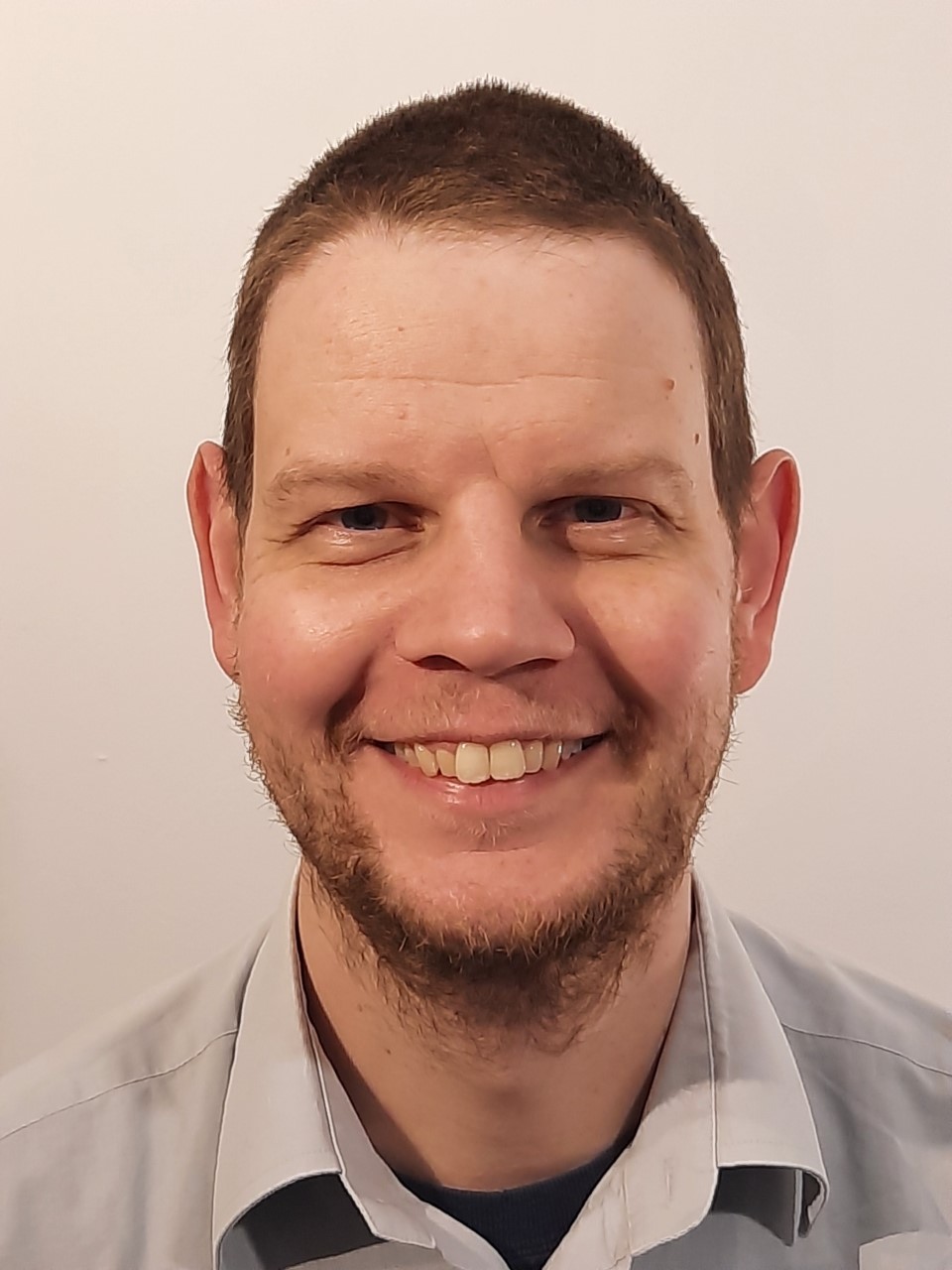
Mike Brownnutt obtained his first Master’s degree (MSci in physics) and his PhD (in experimental quantum mechanics) from Imperial College London, UK. He then worked at the University of Innsbruck for eight years, writing his habilitation on his research there, which developed scalable architectures for trapped-ion quantum computers. He completed a second Master’s degree (MA in theology from the University of Chester, UK) considering how faith is understood by various parties in discourse on the relationship between Christianity and science.

He spent seven years at the University of Hong Kong, serving as Associate Director of the Faith and Science Collaborative Research Forum, and researching framings for science and religion which do not pre-suppose Modernist assumptions. He now serves as Course Director of the Faraday Institute. In his spare time, he is working on a PhD (with University of Birmingham) on non-Modern philosophy of science and religion.

Mrs Lizzie Henderson

Research Associate
Mrs Lizzie Henderson

Research Associate

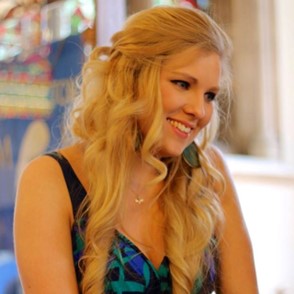
Lizzie Henderson is Co-Director of The Faraday Institute’s Youth and Schools Programme. Through workshops, books, resources, and educational research Lizzie and the team work to enable young people and their influencers to confidently explore big questions – specifically those regarding science-faith interactions.

Lizzie holds a degree in Natural Sciences from the University of Cambridge, specialising in Evolutionary and Behavioural Biology, Geology and the History and Philosophy of Science. She has long held a strong interest in the communication and public understanding of the interactions of science and faith and has worked with children and young people in a variety of contexts for many years.

Lizzie has been building the Faraday Institute’s Youth and Schools Programme since 2013 and has seen many thousands of students respond enthusiastically to the combination of hands-on science with honest, dynamic and thought-provoking discussion about science, faith and their interactions. She also consults and advises on several collaborative projects working to develop new, inter-disciplinary approaches to education.

Revd Dr Carole Irwin

Research Associate

Revd Dr Carole Irwin

Research Associate

My research is in theology, intellectual disability and Christian community. My current work uses a participative approach, investigating belonging to a Christian community of differing intellectual abilities with members of the community.

Carole received her PhD from the University of Durham, where she worked on Rowan Williams’ concept of difficulty as a tool for negotiating difference between religious and secular life and commitment in the public square. She was a member of the academic staff of Wesley House in the Cambridge Theological Federation from 2015 to 2021, and Director of Studies from 2017, teaching political theology and leading the MA programme on Pastoral Care and Chaplaincy. Carole is currently project leader for Growing in Friendship, a participative theological action research project of the University of Aberdeen’s Centre for Spirituality, Health and Disability and Lyn’s House Cambridge. Lyn’s House is a Christian community of friendship for people with and without intellectual disabilities. The Growing in Friendship project is the first instance of participative research using a theological action research approach with a community of differing intellectual abilities. She is also a member of the Von Hügel Institute’s research project Disability and Knowledge in collaboration with the University of Notre Dame’s Rome Global Gateway and L’Arche Italy. She is ordained in the British Methodist Church, has served on its Faith and Order Committee, and is currently a member of the British Methodist-Roman Catholic Dialogue Commission. She studied in Cambridge (King’s College) for her first degree in Modern Languages (French and Italian).

Academic Profile

Dr Andrew Jackson

Research Associate

Dr Andrew Jackson

Research Associate

After taking a BA(MA) in Zoology at Oxford University (under Richard Dawkins) and a PhD in bioengineering at Reading University, Andrew Jackson pursued a 30-year career in biotech R&D, working for a major blue-chip company and two of the Cambridge-based technology consultancies. He then joined the Faraday Institute as their Director for External Affairs before taking early retirement to fulfil a lifelong ambition to study academic theology.

He sat the University of Cambridge postgraduate Diploma and MPhil degree in theology (both awarded with distinction and the Divinity Faculty prize) followed by a PhD at the University of Nottingham resulting in a monograph published with Routledge, entitled ‘Maximus the Confessor and Evolutionary Biology: The Phylogenetic Logoi.’ Andrew recently returned to the Faraday Institute as Academic Lead for its Tutorial Programme in Science and Religion. His theological research interests include the theology of evolutionary biology, Eastern Patristics, and the theology of technology.

Mr Scott Jackson

Research Associate

Mr Scott Jackson

Research Associate

Scott Jackson has served as the Mary Irene Ryan Family Executive Director of Shakespeare at Notre Dame since the position was created in 2007, providing oversight for the many Shakespeare-related programs housed at the University of Notre Dame, with a particular focus on engaging the local community through the works of William Shakespeare.

Previously he served as executive director for the Fairbanks Shakespeare Theatre (FST) in Fairbanks, Alaska. At FST he produced and performed in outdoor Shakespeare productions staged under the midnight sun at venues throughout Alaska and around the globe (most notably at the VIII World Shakespeare Congress in Brisbane, Australia, and the Edinburgh Festival Fringe in Scotland). From 2000–2003, Scott was the business and legal affairs coordinator for Brighter Pictures, Ltd (now a part of Endemol Shine UK), one of the United Kingdom’s most successful independent television and film production companies.
He holds a dual BA in theatre and history from Indiana University Bloomington, an MFA (distinction) in Actor Training and Coaching from the Royal Central School of Speech and Drama (University of London), and is a certified Kundalini yoga teacher (CKYT-200) under acclaimed practitioner Maya Fiennes. He has produced, directed, and performed in over 175 theatrical productions.

Scott currently serves as the vice president/president-elect for the Shakespeare Theatre Association, where he also served as treasurer from 2013-2017. He has taught acting process at the Royal Central School of Speech and Drama, the University of Notre Dame, Holy Cross College, and Indiana University South Bend. Since 2018 he has taught Meisner acting technique and Mindfulness for the Artist for the Prague Shakespeare Company’s Summer Shakespeare Intensive.

A firm believer in the power of Shakespeare and the theatre arts to affect positive social change, he is a co-founder of the Shakespeare in Prisons Network. He teaches a Shakespeare in performance course and leads the kundalini yoga club at the Westville Correctional Facility, Indiana’s largest state prison.

Additionally, he has developed an anti-harm approach to actor training called Foundationing and presented this research at the annual meetings of the European Society of Criminology, the British Shakespeare Association, the Shakespeare Theatre Association, the Shakespeare Association of America, Theatre Communications Group, and the World Shakespeare Congress.

He is the recipient of the Shakespeare Association of America’s Publics Award for the production of the 4th International Shakespeare in Prisons Conference in 2020-21, the Robinson Community Learning Center’s Arthur Quigley, PhD award for community service, and the Fairbanks, Alaska Downtown Association’s Golden Heart award.

Dr Lydia Jaeger

Dr Lydia Jaeger

Research Associate

Dr Lydia Jaeger

Research Associate

My current research interests concern the epistemological and ethical implications of the doctrine of creation and the articulation between philosophy, the sciences and theology. In 2024, I was involved in setting up the Centre d'études et de recherche interdisciplinaire évangélique (CERIE).

After completing postgraduate studies in physics and mathematics at the University of Cologne (Germany) and in theology at the Seminary for Evangelical Theology in Vaux-sur-Seine (France), Lydia Jaeger obtained her Ph.D. in philosophy at the Sorbonne on the possible links between the concept of law of nature and religious presuppositions. She holds a permanent lectureship and is academic advisor and international relations officer at the Institut Biblique de Nogent-sur-Marne (France), and academic director of the Centre d’enseignement et de recherche interdisciplinaire évangélique en sciences, culture et théologie (CERIE). She is a research associate of St. Edmund’s College, University of Cambridge, a Faraday Associate of the Faraday Institute for Science and Religion and a KLC Research Fellow at the Kirby Laing Centre for Public Theology (all based in Cambridge, UK). Lydia Jaeger is the author of seven books and numerous articles on the relation between Christianity and the natural sciences. She has edited (or co-edited) nine collective volumes; among them is Lire la Bible aujourd’hui : Perspectives croisées sur les défis contemporains (Bibli’O, 2022 – English translation Zondervan Academic, 2024). Her book Ordinary Splendor: Living in God’s Creation was listed as a finalist in the 2024 Christianity Today Book Awards in the Theology (popular) category.

Academic Profile

Publications

  • Lydia Jaeger, Einstein, Polanyi and the Laws of Nature, West Conshohocken (PA): Templeton Foundation Press, 2010
  • Lydia Jaeger, What the Heavens Declare: Science in the Light of Creation, transl. Jonathan Vaughan, Eugene (OR), Wipf and Stock, 2012
  • Lydia Jaeger, Ordinary Splendor: Living in God's Creation, Bellingham [WA], Lexham Press, 2023
mccrary

Professor Lorraine McCrary

Research Associate
Professor Lorraine McCrary

Research Associate

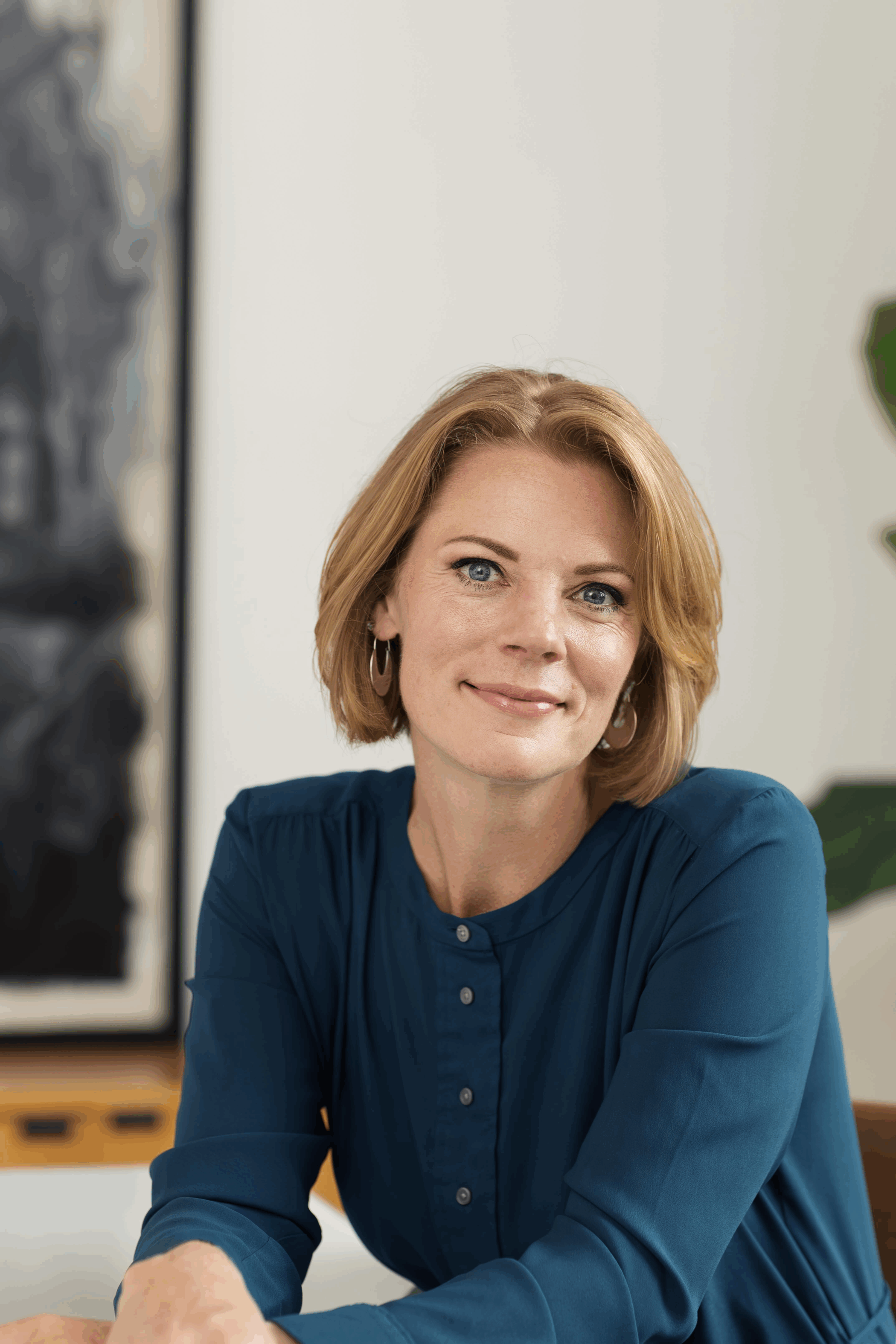
Lorraine Krall McCrary is Associate Professor of political science at Wabash College, a liberal arts school in Indiana, where she is also Department Chair. After serving as a visiting scholar at St Edmund’s, Lorraine has been appointed as a Research Associate to continue her work on disability and community at the VHI.

McCrary is a political theorist whose research focuses on communities of care that include people with disabilities. She is drafting a monograph provisionally entitled, Care for Citizens: A New Political Theory of Cognitive Disability and Community. She is the recipient of a National Endowment for the Humanities grant, which supported work on earlier phases of this project. She also writes about topics in politics and literature, as well as the relationship between the family and politics.

Lorraine earned her Ph.D. from Georgetown University where she wrote about Alexis de Tocqueville’s and John Stuart Mill’s conceptions of women as members of families and as political actors. Her work has been supported by grants from the National Endowment for the Humanities and the American Political Science Association, among other institutions. An advocate of community-engaged learning, Lorraine’s classes bring students outside the university to learn with people who have been excluded from colleges and universities, including people with cognitive disabilities and incarcerated people.

Dr Nancy Michael

Dr Nancy Michael

Research Associate

Dr Nancy Michael

Research Associate

My research explores intersections between neuroscience, experience and community wellbeing. Using a community-centred model, I apply evidence-based pedagogy to community learning experiences that cultivate not just knowledge, but skills and dispositions broadly in support of community wellbeing.

Dr Nancy Michael earned her doctorate degree in neuroscience from the University of Minnesota in 2012. Her doctoral studies were anchored in the field of behavioural neuroendocrinology where she explored questions of experience dependent plasticity – how experiences with the individuals and the world around us change nervous system structure and function. This curiosity led her to pursue postdoctoral studies in an adolescent development lab, further developing her ability to interrogate the ways in which experiences moderate brain structure, function and behaviour. Harnessing this background in experience dependent plasticity, Michael chose to devote her skills to undergraduate educational formation. She joined the Notre Dame faculty in 2014 to develop the newly created undergraduate program in neuroscience and behaviour. Over the years, her dedication to excellence, innovation in education and commitment to community wellness have earned her numerous teaching, advising and community awards, and currently serves as the Director of Education and Co-Director for the Neuroscience and Behaviour major at the University of Notre Dame. In addition to her work on campus, Michael partnership with multiple community organizations to develop and implement NEAR science approaches that aim to mitigate the impact of toxic stress and promote healing and resilience of individuals and communities. NEAR stands for Neuroscience, Epigenetics, Adverse childhood experiences and Resilience, and a NEAR-science approach uses a community-centred, general capacity building model to mobilize the evidence base of the NEAR sciences in support of practical skill development for individuals and community organizations.

Broadly, Dr Michael’s work collaboratively develops population-specific, NEAR-based strategies to support practical skill building for community healing and resilience efforts. Her work is published across a wide variety of platforms ranging from primary scientific journals, book chapters, to children’s books. Common themes across her writing centre around experience dependent plasticity and the critical role relationships play in human learning and well-being. In addition to her written works, Dr Michael takes a leadership role in designing and executing a wide variety of professional development opportunities to support individuals in the “helping professions” (e.g. educators, youth workers, mental health professionals, community health workers, medical professionals, etc.). Dr Michael is known for making very complex information accessible and actionable in practical contexts. The breadth of her productivity is indicative of her desire to not only participate in knowledge generation, but to support the translation of the neuroscientific knowledge base into practical skills, behaviours and habits of mind that become present in our daily living.

Academic Profile 

Publications

  • Michael N, Chan-Deveare V, [Eifler and Wheeler (Eds)], Learning to Serve: A Neuroscience-informed Scaffold to Developing Students as Community Leaders, 2025, Beneath the Rage and Tumult: Promoting Radical Hospitality and Belonging in College Classrooms.
  • Michael N. A Part, Not Apart: courageous curiosity reminds us of shared our shared humanity, 2024, Notre Dame Magazine
  • Brown K*, Nisbet A*, Hammond R*, [Michael NA (Ed)]. No Snow Day for the Brain, 2020, Lulu publishing.
  • Hollender M*, Michael NA, Short-Term Brain-Based Growth Mindset Pilot Intervention Indicates Potential of Diversion Programs for Early Offenders in the Juvenile Justice System, 2023, Internat J of Soc Sci and Human Research
Dr Caterina Milo

Dr Caterina Milo

Research Associate

Dr Caterina Milo

Research Associate
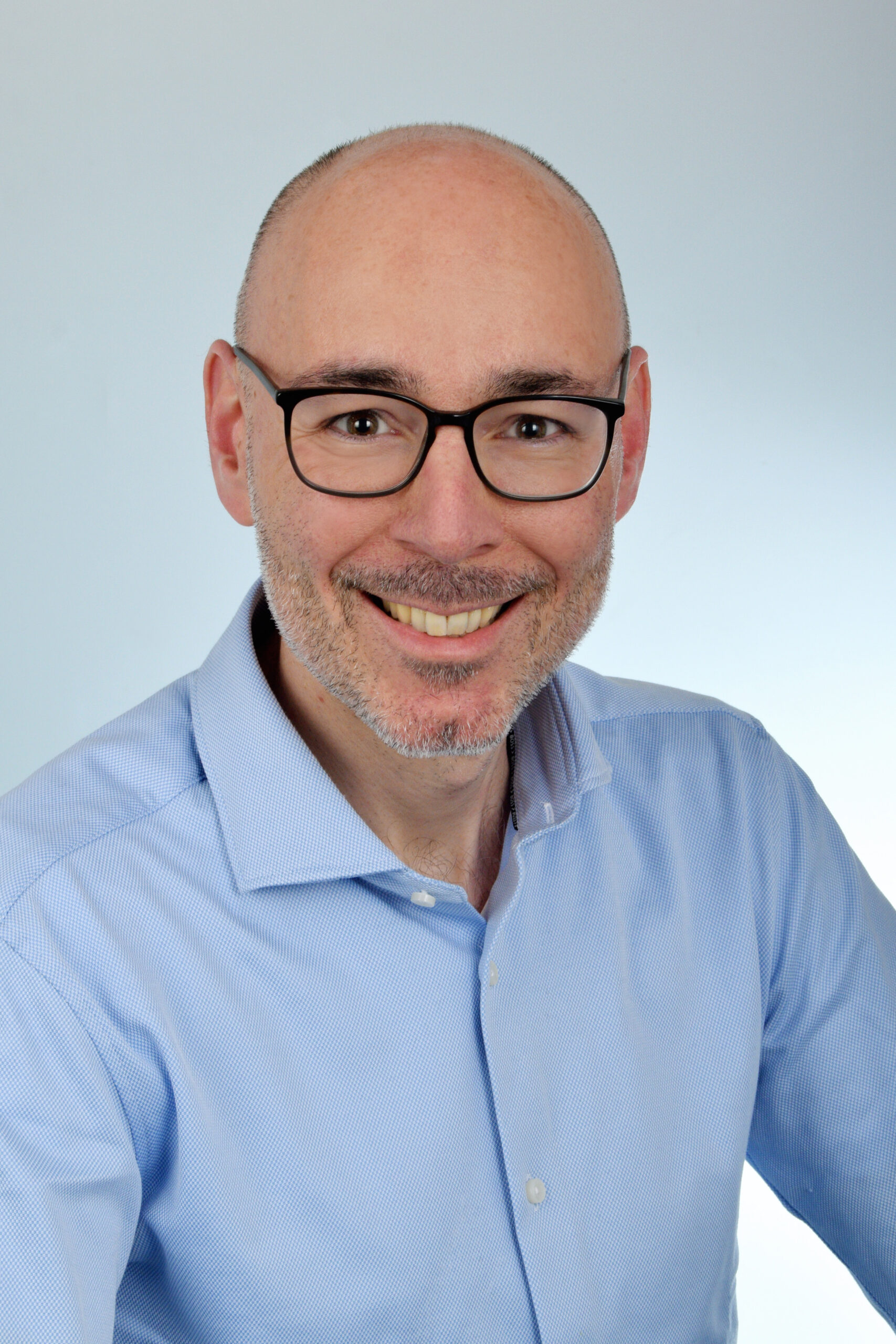
My research interests lie in health law and ethics, particularly informed consent, doctor-patient relationship, and reproductive ethics widely considered.

Dr Milo is Lecturer in Law at the School of Law, University of Sheffield, where she leads the Health Law Research Group. Before joining Sheffield, she was College Assistant Professor and Fellow in Law at Robinson College-University of Cambridge, and previously Lecturer at the University of Exeter Law School. She holds a PhD in Health Law from Durham Law School; a MA in Bioethics and Medical Law (St Mary’s University-Twickenham); an integrated MA in Law (University of Siena, Italy); and a Diploma in Legal Studies (University of Oxford).

Academic Profile

Dr Marc Neugröschel

Research Associate

Dr Marc Neugröschel

Research Associate

Dr. Marc Neugröschel is a Research Fellow in the ISGAP-Woolf Institute Fellowship Training Programme in Critical Contemporary Antisemitism Studies, Discrimination, and Human Rights. A sociologist, he earned his PhD and MA from Hebrew University in Jerusalem, Israel. Prior to this, he studied at RWTH University in Aachen, Germany, his birthplace and hometown. Additionally, he has worked as a journalist for German and Israeli English-language newspapers.

Lucy Peacock Headshot

Dr Lucy Peacock

Research Associate

Dr Lucy Peacock

Research Associate
My research focuses on the relationships between religious diversity, education, and social cohesion. I explore how schools, universities and local communities can better navigate religious diversity, fostering respect and understanding across diverse religious and non-religious perspectives.

Dr Peacock's publications have contributed to understanding how education plays a role in creating inclusive societies, where diversity is seen as an asset rather than a challenge. Her research outputs have also influenced social practice and policy around religious inclusion and diversity.

Publications

  • Peacock, L. and Guest, M. (2024) 'Worldviews, Religious Literacy and Interfaith Readiness: Bridging the Gap Between School and University'. Coventry University and Durham University
  • Aune, K., Peacock, L., Guest, M. and Law, J. (2023) University Chaplaincy as Relational Presence: Navigating Understandings of Good and Effective Chaplaincy in UK Universities, Journal of College and Character 24(3), 197-216
  • Peacock, L., Guest, M., Aune, K., Rockenbach, A. N., Staples, B. A. and Mayhew, M. J. (2023) 'Building Student Relationships Across Religion and Worldview Difference'. Coventry University, Durham University, North Carolina State University and The Ohio State University
  • Peacock, L. (2021) 'Contact-based Interfaith Programmes in Schools and the Changing Religious Education Landscape: Negotiating a Worldviews Curriculum'. Journal of Beliefs & Values 44(1),1-15
  • Peacock, L. (2021) 'Building Closer Communities: An Evaluation Report'. Coventry University


Rev Dr Greg Peters

Research Associate

Rev Dr Greg Peters

Research Associate

My research is on the history and theology of Christian monasticism, mainly how monastic theology is a unique theological methodology. I also research the history of monasticism and spirituality in the Anglican tradition. I actively contribute to academic, professional, and ecclesial communities.

Rev Dr Peters is Professor of Medieval and Spiritual Theology in the Torrey Honors College at Biola University, USA. He is also the Servants of Christ Research Professor of Monastic Studies and Ascetical Theology at Nashotah House Theological Seminary, USA. He is the author of "Reforming the Monastery: Protestant Theologies of the Religious Life," "The Monkhood of All Believers: The Monastic Foundation of Christian Spirituality," and "Peter of Damascus: Byzantine Monk and Spiritual Theologian," among other works. He serves on the Executive Committee of the Society of Anglican Theologians, the Executive Board of the American Benedictine Academy and is a board member of Anglican House Publishers. Professor Peters’ interest in Christian monasticism led him to pursue a Dottorato in Studi Monastici from the Pontificio Ateneo di Sant’Anselmo in Rome, the first non-monastic to earn the degree.

Though an expert on Christian monasticism, Professor Peters has also been involved in researching and writing on Anglicanism, including Edward Pusey’s support of the re-establishment of monasticism in the nineteenth-century Church of England and Anglican spirituality. To that end he has published "Anglican Spirituality: An Introduction" and several articles on Anglican monasticism. His interest in Anglicanism grew out of his appointment as Vicar of the Anglican Church of the Epiphany, La Mirada, USA.

Professor Peters is a Consulting Editor for the Journal of Spiritual Formation and Soul Care, is on the Editorial Board of Magistra: A Journal of Women’s Spirituality in History and is a regular reviewer for the American Benedictine Review. In addition to his appointment at St Edmund’s College, he is a Visiting Scholar at Wycliffe Hall, University of Oxford.

Academic Profile

Publications

  • Greg Peters, Anglican Spirituality, 2024, Cascade Books
  • Greg Peters, The Monkhood of All Believers: The Monastic Foundation of Christian Spirituality, 2018, Baker Academic
  • Greg Peters, Peter of Damascus: Byzantine Monk and Spiritual Theologian, 2011, Pontifical Institute of Mediaeval Studies
  • Greg Peters, “The ‘Reanimation Principle’ of Edward Bouverie Pusey: The Re-Establishment of Monasticism in the Church of England,” 2025, Anglican and Episcopal History


Elizabeth Phillips Headshot

Dr Elizabeth Phillips

Research Associate

Dr Elizabeth Phillips

Research Associate

I lecture and publish in the areas of Christian moral and political theologies, interfaith relations, and conflict transformation. I have oversight of the Woolf Institute's teaching in the Cambridge Theological Federation as well as the Institute's public engagement programmes.

Dr Phillips has been at the Woolf Institute since 2022. Previously she was Lecturer in Christian Ethics and Director of Studies at Westcott House, as well as Research Fellow with the Margaret Beaufort Institute of Theology. She was a Visiting Scholar with the Institute for Criminology 2018-2019 and from 2016-2019 she co-convened and ethnographically researched a course on 'The Good Life and the Good Society' inside a high security prison. At Margaret Beaufort she completed Flourishing Inside, a project researching the intersections of Catholic social thought and prison chaplaincy. She is a Senior Fellow of the Higher Education Academy.

Academic Profile

Publications

  • Elizabeth Phillips, Apocalyptic Theopolitics: Essays and Sermons on Eschatology, Ethics, and Politics (Cascade, 2022).
  • Elizabeth Phillips, Anna Rowlands and Amy Daughton (eds), T&T Clark Reader in Political Theology ( T&T Clark, 2021).
  • Craig Hovey and Elizabeth Phillips (eds), The Cambridge Companion to Political Theology (Cambridge University Press, 2015).
  • Elizabeth Phillips, Political Theology: A Guide for the Perplexed (Continuum, 2012).
  • Elizabeth Phillips and Ferdia Stone-Davis (eds), Catholic Social Thought and Prison Ministry (2024).

Dr Steven Samols

Research Associate

Dr Steven Samols

Research Associate
Dr Samols is a ISGAP-Woolf Institute Postdoctoral Fellow. His research explores the connections between European history, Jewish studies, and visual cultures across the twentieth century. His work focuses on vernacular media forms such as photobooks, analysing how they shaped understandings of Jewish history for both Jews and wider publics. Samols holds a PhD in History from the University of Southern California (2023), an MSc in European studies from the London School of Economics (2016) and a BA in history from New York University (2012). He has received grants and fellowships from the German Historical Institute, the United States Holocaust Memorial Museum, the Association for Jewish Studies, the Leo Baeck Institute, and the Israeli Council for Higher Education.

Dr William Simpson

Research Associate

Dr William Simpson

Research Associate

I'm William Simpson; a philosopher and scientist. I was born in Lincoln, a cathedral city in England, but now live in Scotland (or wherever my work happens to take me). I have a doctorate in physics from St Andrews, in which I considered the macroscopic behaviour of sticky quantum mechanical forces, and I have a doctorate in philosophy from Cambridge, in which I put forward an ontology of quantum mechanics inspired by Aristotle's theory of hylomorphism. In 2020, I was honoured with an Expanded Reason Award for my work in philosophy. In 2021, I was awarded the Cardinal Mercier Prize in Philosophy. I continue to think about the metaphysics of quantum mechanics, and I am interested in both the nature of consciousness and the mind-body problem. Broadly speaking, I am preoccupied with the ontology of nature, the unity of mind and nature, and the unity of nature and divine being.

Follow us

Stay up to date with our rich college life here at St Edmund's through our social media channels.