HomeAboutOur People

Our people

Filter staff:

Dr Neville Bolt

Friend of St Edmund's

Dr Neville Bolt

Friend of St Edmund's

Neville is the Director of the King’s Centre for Strategic Communications (KCSC), the leading global centre of academic expertise in Strategic Communications. He is Reader in Strategic Communications and Convenor of the Masters programme in Strategic Communications in the Department of War Studies, King’s College London. And he is Senior Fellow at SCERU, University of Tokyo. Bolt is Editor-in-Chief of Defence Strategic Communications, the peer reviewed academic journal of NATO Strategic Communications Centre of Excellence.

He has convened the Masters course Evolution of Insurgency and Counterinsurgency and the International Relations course Transnational Movements, Networks and Revolutionary Strategy. He supervises PhD students researching topics including empathy in international negotiations; trust in the revolutionary theatre; counter-conduct & democratic dissent; materiality of communication in urban space; Cold War metaphor of containment; strategic communications policies in Afghanistan; phenomenology of the information environment; constructing political memory; jazz diplomacy in the Cold War; memory construction in Latvian independence; influence networks in South Caucasus; Brazil’s Amazonia dilemma. He was the Teaching Excellence Award Winner 2017.

Much of his career was spent as a television journalist and producer-director at the BBC, ITV, and CBC (Canada). Working in news and current affairs, he specialised as a producer of war zone documentaries, covering conflicts in Africa, Latin America, the Middle East, and Indian subcontinent. Later he created strategic communications campaigns for Britain’s Labour Party; Amnesty International; the African National Congress (ANC)/Anti-Apartheid Movement. He served too as communications advisor to UEFA Champions League football.

His book The Violent Image: Insurgent Propaganda and the New Revolutionaries (Columbia UP) was published in 2012, 2nd revised edition, 2020 (Oxford UP), winning the CHOICE ‘outstanding academic status award’. Unmapping the 21st Century: Between Networks and the State (Bristol UP) was published in 2022. He is writing Strategic Communications: Information, Disinformation & The Human Condition, and producing a volume of field-defining Perspectives from Defence Strategic Communications journal to appear late 2022.

Professor Sir Leszek Borysiewicz FRS FRCP FMedSci

Honorary Fellow

Professor Sir Leszek Borysiewicz FRS FRCP FMedSci

Honorary Fellow

Former Vice-Chancellor, University of Cambridge

Mr Josh Bowerman

Bye-Fellow

Mr Josh Bowerman

Bye-Fellow

Director of Development, Schools and Non-Clinical Academic Programmes

Josh Bowerman serves as Director of Development at the University of Cambridge for the University’s School’s Programme within the central Cambridge University Development and Alumni Relations team (CUDAR). In this role, his primary responsibility is to oversee the teams responsible for designing and executing fundraising and external relations activities on behalf of the University’s six non-clinical academic programmes—including the School of Arts & Humanities, the School of the Biological Sciences, the Cambridge Judge Business School, the School of Humanities & Social Sciences, the School of the Physical Sciences, and the School of Technology.

Josh holds an undergraduate degree in Rhetoric (1997; Hardin-Simmons University, Abilene, TX, USA) and a graduate degree in Business Administration (2001; Bellarmine University, Louisville, KY, USA), and was awarded a fellowship by the US-Germany Fulbright Commission in 2019.

Josh and his spouse, Jennifer Shimp-Bowerman (who also holds a senior post on the CUDAR team), live in Cambridge near Addenbrooke’s and are the parents of one daughter (Emily), who lives and works in Charleston, SC, USA.

Prof Louise Boyle

Friend of St Edmund's

Prof Louise Boyle

Friend of St Edmund's
Professor of Molecular Immunology & Wellcome Senior Research Fellow, Department of Pathology

Louise Boyle became the Professor of Molecular Immunology in the Department of Pathology in October 2021. She obtained a BSc Hons in Biological Sciences from the University of Edinburgh in 1998, followed by a PhD in Immunology from the University of Cambridge, where she studied T cell responses in patients with arthritis in Professor Hill Gaston’s laboratory.   In 2002, she joined Professor John Trowsdale’s group as a Postdoctoral Research Associate to continue her work on major histocompatibility complex (MHC) molecules.   There, she discovered TAPBPR was a novel component of the MHC class I antigen processing and presentation pathway. In 2009, Louise was awarded a Wellcome Career Development Fellowship, followed by a Wellcome Senior Research Fellowship to explore the molecular pathways controlling antigen presentation to the immune system.  She was appointed as a University Lecturer in 2017 and promoted to a University Reader in 2019. In 2020, her Wellcome Senior Research Fellowship was successfully renewed. Her laboratory is currently focused on understanding the role of TAPBPR in peptide selection for immune recognition and how this contributes to human health and disease.  Louise’s research programme offers important translational opportunities in infection control, autoimmune disease, cancer immunotherapy and vaccine development.

Norfolk Building and Chapel

Dr Lewis Bremner

Director of Studies

Dr Lewis Bremner

Director of Studies
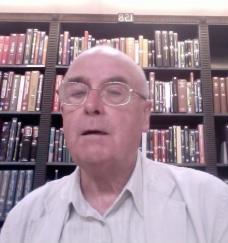
Lewis is Director of Studies for History and Philosophy of Science (HPS)

Dr Kate Brett

Fellow

Dr Kate Brett

Fellow
Publisher Academic Group, Cambridge University Press

Dr Katharina Brett is a Publisher in the Academic Group of Cambridge University Press, where she has worked for over twenty-five years. During that time, she has been responsible for commissioning and publishing new books in subjects including literary studies, language and linguistics, and religious studies.  This has involved regular travel to conferences and university campuses in Europe, North America and Australia. Dr Brett is currently developing a new initiative within the Press, the Cambridge Library Collection.  Her academic background is in Modern and Medieval Languages, which she studied at Cambridge, eventually specialising in the literature of medieval France. She was a Junior Research Fellow at St Edmund’s College from 1984 to 1986, and re-joined the Fellowship in 1999. As a Fellow, she is a member of the College’s Governing Body and has served for four years on the College Council. Her College work includes the library, Von Hügel Institute and Dean’s committees. Dr Brett is an accomplished violinist, who plays regularly in a quartet and the City of Cambridge Symphony Orchestra. Her recreational interests include gardening, mountain walking and travel.

Prof David Bridges Headshot

Professor David Bridges

Emeritus Fellow
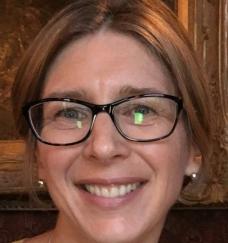
Professor David Bridges

Emeritus Fellow

My research focuses on educational policy and practice in the UK and internationally.

Professor Bridges is probably best known for his work in philosophy of education through which he engaged critically with evolving educational policy over six decades. He was elected Chair of the Philosophy of Education Society of Great Britain (of which he is now Honorary Vice President) and was founder and Co-Convenor of the Philosophy Section of both the British and European Education Research Associations. However, from an early stage in his career he was also drawn into empirical studies, mainly employing ethnographic and case study approaches. This work took him into many different spheres including, school accountability, policing, an Evaluation of the Engineering Councils Neighborhood Engineer scheme and multiple evaluations for local authorities of their responses to government initiatives in teacher training. Professor Bridges bridged the philosophy of education community and the wider educational research community and became a member of the Council of the British Educational Research Association and represented the UK on the Council of the European Educational Research Association. He was twice a member of the Education panel for the UK Research Assessment Exercise. A lot of his later philosophical writing addressed issues arising out of contemporary practice in educational and wider social science research.

In parallel with this academic work, Professor Bridges took on a succession of leadership positions in higher education:, first as Deputy Principal of Homerton College (in which his early career was based) and as Professor and Dean of the School of Education and then as Pro Vice Chancellor in the University of East Anglia. On retiring (early) from this he came to St Edmund's as Visiting Fellow and then remained as Director of the Von Hugel Institute. In parallel with this he was appointed first Director of the newly established Association of Universities in the East of England, which was an HE response to the government's creation of Regional Development Agencies and a Regional Assembly. Through most of his career Professor Bridges has had extensive international engagement both as an academic (Addis Ababa -- for 26 years -- Hong Kong, University of Illinois, Oslo and Chung Chen University in Taiwan, Nazarbayeth University in Astana) and as a policy consultant (Ethiopia, Guyana, Belize, Ghana, Iran, Mongolia, and, Kazakhstan). The work in Mongolia and Kazakhstan was carried out under the auspices of the Cambridge University Faculty of Education which he rejoined in 2011 and with Cambridge Assessment. A number of Professor Bridges' publications are the product of these international partnerships or arise out of reflections on this international work.

Publications

  • Bridges,D. (2023) Ethics in educational practice, policy and research. Ethics International Press.
  • Bridges,D. (2017) Philosophy in educational research: Epistemology, ethics, politics and quality. Springer
  • Bridges,D. Ed. (2014) Educational reform and internationalisation: The case of school reform in Kazakhstan. Cambridge University Press.
  • Bridges,D, Smeyers,P. & Smith, R.D Eds. (2009) Evidence-based educational policy: What evidence? What basis? Whose policy? Wiley Blackwell (Originally as a special issue of the Journal of Philosophy of Education).?
  • Bridges, D. and McLaughlin T.H. Eds. (1994) Education and the market place. Falmer Press

Awards & Recognitions 

  • Fellow of the Academy of Social Sciences
  • Honorary Doctorate of the Open University
  • Honorary Vice President of the Philosophy of Education Society of Great Britain
  • Honorary Member of the European Education Research Association


Dr Elizabeth Bright

Bye-Fellow

Dr Elizabeth Bright

Bye-Fellow

Consultant Anaesthetist, West Suffolk Hospital and Clinical Tutor, Cambridge Graduate Course in Medicine

Lord Alec Broers FRS

Honorary Fellow

Lord Alec Broers FRS

Honorary Fellow

Former Vice-Chancellor of University of Cambridge, Lord Broers worked in the research and development laboratories of IBM in the United States for 19 years before returning to Cambridge in 1984 to become Professor of Electrical Engineering (1984–96) and Fellow of Trinity College, Cambridge (1985–90). He is a pioneer of nanotechnology.

Barry Brown

Fellow-Commoner

Barry Brown

Fellow-Commoner
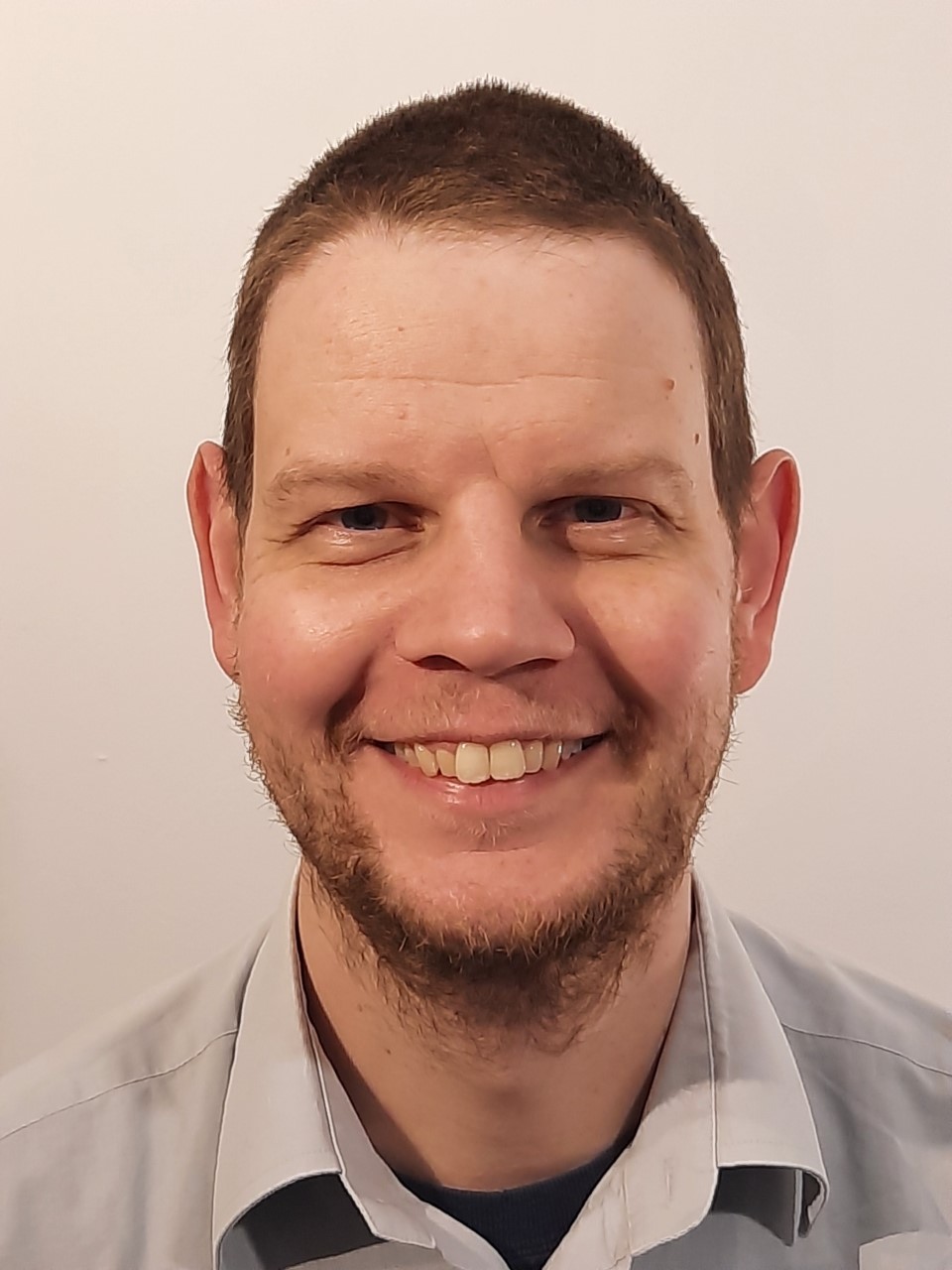
Barry studied Architecture and Fine Arts at the University of Cambridge as a member of St John’s College.

In 1983 he formed Bland, Brown & Cole with Julian Bland and was made a Fellow Commoner of St Edmund’s College in recognition of this work in doubling the size of the College.

Dr Mike Brownnutt

Research Associate

Dr Mike Brownnutt

Research Associate

Mike Brownnutt obtained his first Master’s degree (MSci in physics) and his PhD (in experimental quantum mechanics) from Imperial College London, UK. He then worked at the University of Innsbruck for eight years, writing his habilitation on his research there, which developed scalable architectures for trapped-ion quantum computers. He completed a second Master’s degree (MA in theology from the University of Chester, UK) considering how faith is understood by various parties in discourse on the relationship between Christianity and science.

He spent seven years at the University of Hong Kong, serving as Associate Director of the Faith and Science Collaborative Research Forum, and researching framings for science and religion which do not pre-suppose Modernist assumptions. He now serves as Course Director of the Faraday Institute. In his spare time, he is working on a PhD (with University of Birmingham) on non-Modern philosophy of science and religion.

Dr Sandra Brunnegger

College Teaching Officer, Director of Studies, Fellow

Dr Sandra Brunnegger

College Teaching Officer, Director of Studies, Fellow
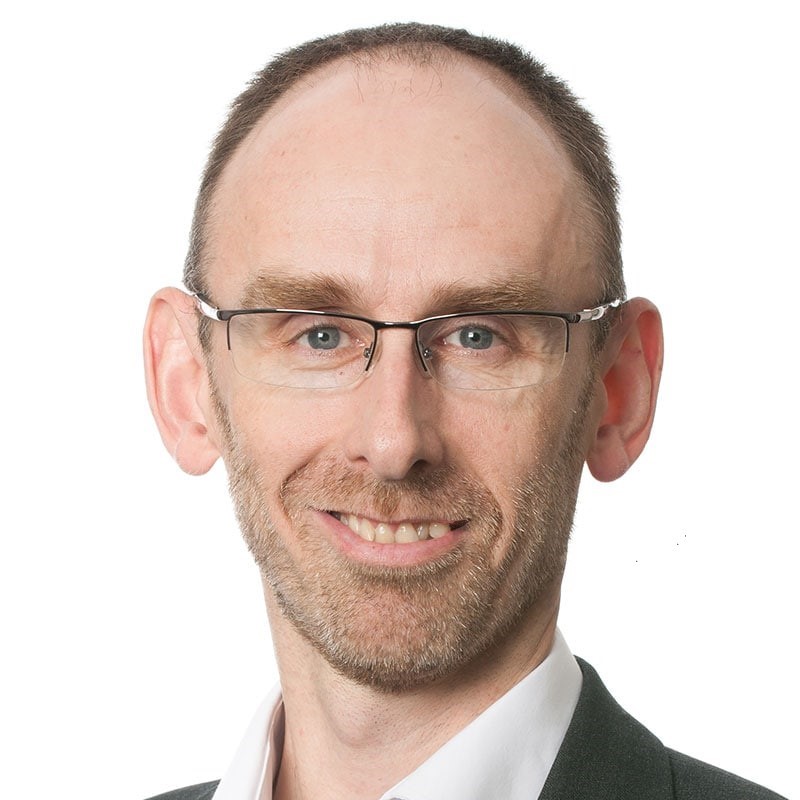
Dr Sandra Brunnegger is a Fellow in Law and Anthropology.

Dr Brunnegger is a legal anthropologist. Her research interests span human rights, indigenous legal systems and practices, everyday conceptions of justice, transitional justice, violence, environmental issues and social movements. Ethnographically, her research focuses on Latin America, with particular emphasis on Colombia. Her teaching interests include development, political and legal anthropology and international law.

Mr Graham Budd

Fellow Commoner

Mr Graham Budd

Fellow Commoner

Graham Budd's professional background is in engineering, computer science, microelectronics and AI. His research interests lie at the intersection of science, technology and religion – in particular the ethics of AI and its application as a trustworthy, beneficial tool to support human flourishing.

Graham Budd is the Executive Director of The Faraday Institute for Science and Religion. He was previously President and COO at Arm, before his retirement from the company in 2021.

He read Engineering at Corpus Christi College, Cambridge, before starting his career in technology at Thorn EMI Electronics. He has over 30 years experience in computing and the global semiconductor industry, including his work leading the development of several of Arm’s pioneering early single-chip computer designs. In 2005 he became Executive VP and General Manager of Arm’s Processor Division, then Chief Operating Officer from 2008. He was a member of Arm’s Executive Committee from 2005 and joined the main Arm Board in 2017.

Graham has held a number of business and charity Board roles and is currently Chair of the Aidan Charitable Trust. He is a Fellow of the Institution of Engineering and Technology and a Commissioner at the AI, Faith and Civil Society Commission.

Norfolk Building and Chapel

Dr Luana Bulat

Director of Studies

Dr Luana Bulat

Director of Studies
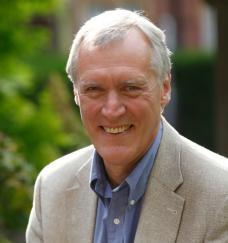
Luana is Director of Studies for our Computer Science degree.

Matthew Bullock

Honorary Fellow

Matthew Bullock

Honorary Fellow
Former Master of St Edmund's College

Matthew Bullock served as Master of St Edmund's College from October 2014 - September 2019.

He has a long connection with Cambridge and the University, where he read History at Peterhouse. He was a member of the University's Audit Committee from 1999–2012. He was a founding member of the Judge Business School Advisory Board and its longest serving member (1985–2002), and Chairman of the Centre for Business Research (CBR) Advisory Board from 2001-2013. He also served as a Non-Executive Director and Chairman of the Audit and Business Development Committees of the Cambridge University Hospitals NHS Foundation Trust (Addenbrooke's). In the earlier part of his career, whilst at Barclays he was heavily involved in the Cambridge Phenomenon. Mr Bullock was a member of the UK Cabinet Advisory Committee on Applied Research and Development during the mid 1980s. His experience in the technology sector resulted in his appointment as Chairman of TAP Biosystems plc (1999–2012). Mr Bullock is a 1596 Foundation Fellow of Sidney Sussex College and he has an Honorary Degree from Anglia Ruskin University. He is currently Vice Chairman of Cambridge Ahead, a local business and academic group.

Matthew Bullock had a long and successful career in the financial sector, joining Barclays Bank in 1974, where he rose to become Regional Director in Leeds and Director of Risk Management and Group Senior Executive. Prior to leaving the Barclays Group in 1998, he was a Managing Director of BZW/Barclays Capital. From 1998–2011 he was Group Chief Executive of the Norwich & Peterborough Building Society. During this time he was Chairman of the Building Societies Association. He is a graduate of the Advanced Management Program at the Harvard Business School and a Fellow of the Chartered Institute of Bankers.

Mr Bullock was previously on the Governing Body of the University of Leeds and the Council of Imperial College, London.

Matthew Bullock has close connections with the University of Oxford. His father, Lord (Alan) Bullock, the eminent historian, was Vice-Chancellor of Oxford University and Censor of St Catherine's Society and led an ambitious campaign of fundraising and development, resulting in the transformation of the Society into St Catherine's College in 1962 when he was elected as its first Master. Matthew Bullock was educated at Magdalen College School, Oxford.

Norfolk Building and Chapel

Dr Colin Bundy

Honorary Fellow

Dr Colin Bundy

Honorary Fellow
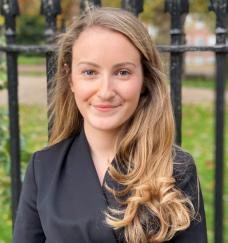
Ms Isabella Buono

Bye-Fellow

Ms Isabella Buono

Bye-Fellow

Isabella Buono read Law at Magdalene College, Cambridge (MA) and St John’s College, Oxford (BCL), before qualifying as a barrister. She is currently the Judicial Assistant to the President of the UK Supreme Court, Lord Reed of Allermuir. Isabella has supervised European Union Law at St Edmund's since 2017.

Prof Maria Burke Headshot

Professor Maria Burke

Bye-Fellow

Professor Maria Burke

Bye-Fellow
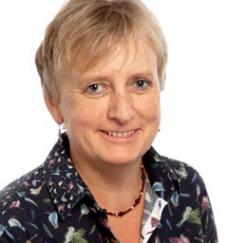
Professor Maria Burke's research expertise concerns the application of new digital technology to economic, environmental and social systems. She has a particular interest in the regulation of AI. 

Professor Maria Burke, PhD, MBA, MA, DMS, SFHEA, FRSA, is an academic and researcher at Birkbeck, University of London, and an Emerita Professor at the University of Winchester where she served as Head of Research for almost a decade. A Bye Fellow of St Edmund's College, she co-founded the Fragility and Flourishing research group at the Von Hügel Institute. Her research examines the intersection of digital technology and its economic, environmental, and social impacts, with a focus on AI regulatory frameworks. In 2023, she was honoured to receive the Society for Research in Higher Education (SRHE) Accolade Award. Professor Burke continues to contribute to international academic and policy discussions on AI regulation. In 2025 she was an invited speaker at New York University and the European Women’s Technology Conference in Amsterdam.

Professor Folma Buss

Fellow

Professor Folma Buss

Fellow
Professor in Molecular and Cellular Biology, Department of Clinical Biochemistry

Folma Buss is a Professor in Molecular and Cellular Biology in the Department of Clinical Biochemistry and the Director of Post Graduate Studies at the Cambridge Institute for Medical Research. She received her PhD in 1992 from the University of Bielefeld, Germany on studies into the regulation of actin filament dynamics. She did her postdoctoral training at the MRC-Laboratory of Molecular Biology and at the University of Cambridge in the Department of Clinical Biochemistry. In 2003 she was awarded a Welcome Trust Senior Fellowship and became a group leader at the Cambridge Institute for Medical Research. Folma’s research is focused on understanding of the crucial roles played by myosin motor proteins in membrane trafficking and how these proteins are linked to pathological disorders such as cancer, inflammation and neurodegeneration.

Follow us

Stay up to date with our rich college life here at St Edmund's through our social media channels.