HomeAboutOur People

Our people

Filter staff:
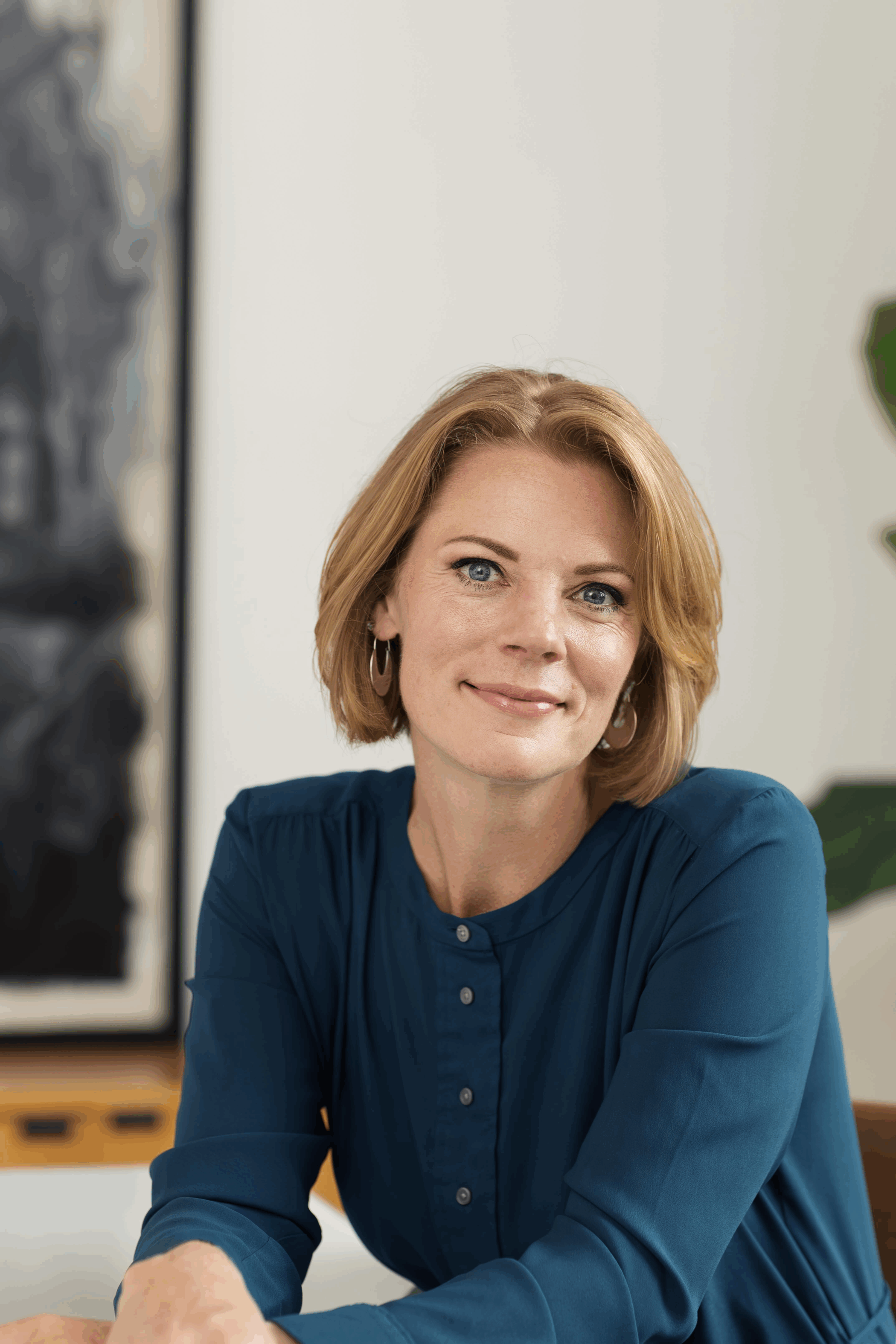
Dr Nancy Michael

Dr Nancy Michael

Research Associate

Dr Nancy Michael

Research Associate

My research explores intersections between neuroscience, experience and community wellbeing. Using a community-centred model, I apply evidence-based pedagogy to community learning experiences that cultivate not just knowledge, but skills and dispositions broadly in support of community wellbeing.

Dr Nancy Michael earned her doctorate degree in neuroscience from the University of Minnesota in 2012. Her doctoral studies were anchored in the field of behavioural neuroendocrinology where she explored questions of experience dependent plasticity – how experiences with the individuals and the world around us change nervous system structure and function. This curiosity led her to pursue postdoctoral studies in an adolescent development lab, further developing her ability to interrogate the ways in which experiences moderate brain structure, function and behaviour. Harnessing this background in experience dependent plasticity, Michael chose to devote her skills to undergraduate educational formation. She joined the Notre Dame faculty in 2014 to develop the newly created undergraduate program in neuroscience and behaviour. Over the years, her dedication to excellence, innovation in education and commitment to community wellness have earned her numerous teaching, advising and community awards, and currently serves as the Director of Education and Co-Director for the Neuroscience and Behaviour major at the University of Notre Dame. In addition to her work on campus, Michael partnership with multiple community organizations to develop and implement NEAR science approaches that aim to mitigate the impact of toxic stress and promote healing and resilience of individuals and communities. NEAR stands for Neuroscience, Epigenetics, Adverse childhood experiences and Resilience, and a NEAR-science approach uses a community-centred, general capacity building model to mobilize the evidence base of the NEAR sciences in support of practical skill development for individuals and community organizations.

Broadly, Dr Michael’s work collaboratively develops population-specific, NEAR-based strategies to support practical skill building for community healing and resilience efforts. Her work is published across a wide variety of platforms ranging from primary scientific journals, book chapters, to children’s books. Common themes across her writing centre around experience dependent plasticity and the critical role relationships play in human learning and well-being. In addition to her written works, Dr Michael takes a leadership role in designing and executing a wide variety of professional development opportunities to support individuals in the “helping professions” (e.g. educators, youth workers, mental health professionals, community health workers, medical professionals, etc.). Dr Michael is known for making very complex information accessible and actionable in practical contexts. The breadth of her productivity is indicative of her desire to not only participate in knowledge generation, but to support the translation of the neuroscientific knowledge base into practical skills, behaviours and habits of mind that become present in our daily living.

Academic Profile 

Publications

  • Michael N, Chan-Deveare V, [Eifler and Wheeler (Eds)], Learning to Serve: A Neuroscience-informed Scaffold to Developing Students as Community Leaders, 2025, Beneath the Rage and Tumult: Promoting Radical Hospitality and Belonging in College Classrooms.
  • Michael N. A Part, Not Apart: courageous curiosity reminds us of shared our shared humanity, 2024, Notre Dame Magazine
  • Brown K*, Nisbet A*, Hammond R*, [Michael NA (Ed)]. No Snow Day for the Brain, 2020, Lulu publishing.
  • Hollender M*, Michael NA, Short-Term Brain-Based Growth Mindset Pilot Intervention Indicates Potential of Diversion Programs for Early Offenders in the Juvenile Justice System, 2023, Internat J of Soc Sci and Human Research
Dr Joe Millard Headshot

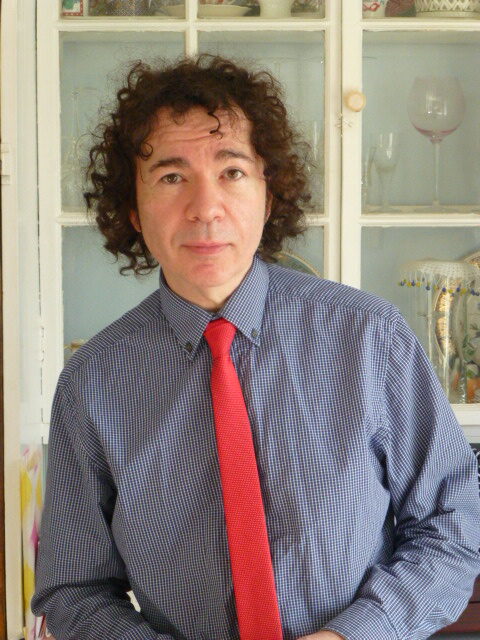
Dr Joseph Millard

Bye-Fellow

Dr Joseph Millard

Bye-Fellow

Dr Joseph Millard is a Bye-Fellow at St Edmund's College.

His research focuses on the application of large-scale statistical models to understand the causes and consequences of biodiversity change. His current role is as Leverhulme Early Career Fellow at Cambridge, focusing on the role of novel AI and economic mechanisms in solving biodiversity change.

Dr Millard is currently a Leverhulme Early Career Fellow in the Department of Zoology at the University of Cambridge. He has published across a number of areas of the biodiversity sciences and the application and ethics of AI in research. In particular, he led in developing the largest models of future global crop pollination risk resulting from human land-use and climate change, and led in developing the first real-time index of human interest in biodiversity. For such work Dr Millard was nominated twice by the Royal Society as an outstanding early career researcher. Specifically, he was selected to talk at the Royal Society at an event commemorating Prof Dame Georgina Mace, and to attend the 2025 Royal Society UK-China Early Career meeting in Beijing on biodiversity and the climate.

Dr Millard has provided scientific advice to the government at a high level, including contributing to a No. 10 SAGE (Scientific Advisory Group for Emergencies) Cabinet Briefing on the reintroduction of COVID-19 restrictions, advising Sir Patrick Vallance on the biodiversity modelling work of the Natural History Museum, contributing towards a trade data guide for the Ecuadorian government, and writing 12 species trade reviews for the European Commission. Dr Millard has also been an expert reviewer for Conservation Letters, Ecosystem Services, Ecography, Scientific Reports, Global Ecology and Biogeography, Communications Earth & Environment, PLOS ONE, Conservation Biology, Nature Ecology and Evolution, and the UK research council BBSRC.

Prior to his current role, Dr Millard was a postdoctoral researcher at the Natural History Museum in London, an honorary non-stipendiary research fellow of Nuffield College, an associate member of the Department of Sociology at the University of Oxford, and an employee of the Nature Publishing Group and UNEP-WCMC (UN Environment World Conservation Monitoring Centre). He completed his PhD in Ecology jointly between University College London, the RSPB, and the Zoological Society of London, and a BSc (Zoology) and MSc (Biodiversity and Conservation) at the University of Leeds.

Academic Profile

Dr Caterina Milo

Dr Caterina Milo

Research Associate

Dr Caterina Milo

Research Associate
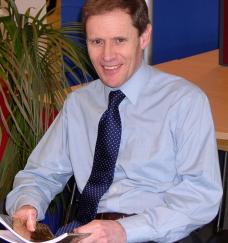
My research interests lie in health law and ethics, particularly informed consent, doctor-patient relationship, and reproductive ethics widely considered.

Dr Milo is Lecturer in Law at the School of Law, University of Sheffield, where she leads the Health Law Research Group. Before joining Sheffield, she was College Assistant Professor and Fellow in Law at Robinson College-University of Cambridge, and previously Lecturer at the University of Exeter Law School. She holds a PhD in Health Law from Durham Law School; a MA in Bioethics and Medical Law (St Mary’s University-Twickenham); an integrated MA in Law (University of Siena, Italy); and a Diploma in Legal Studies (University of Oxford).

Academic Profile

Patrick Mitton KSG

Fellow Commoner

Patrick Mitton KSG

Fellow Commoner
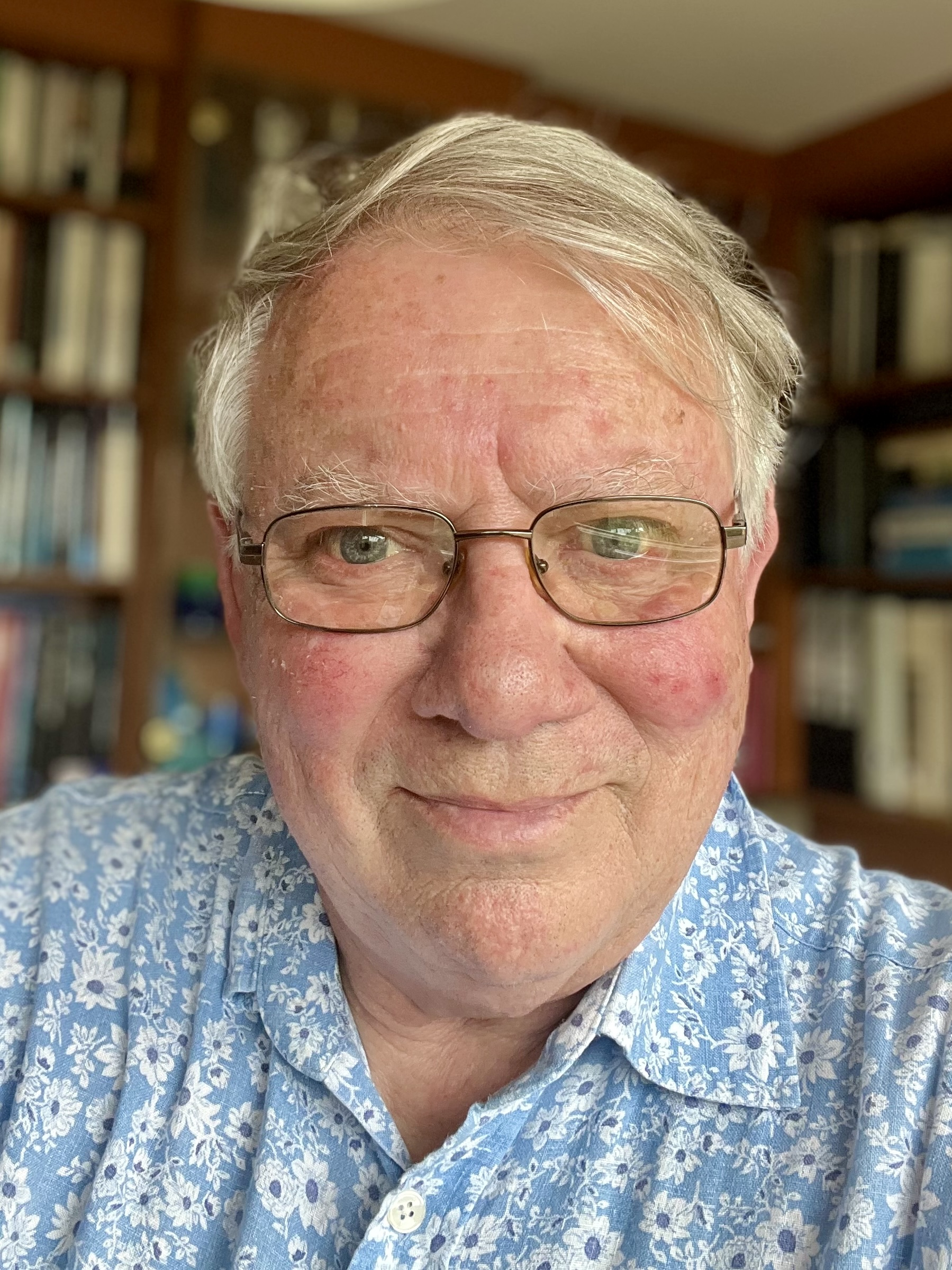
Patrick Mitton is an alumnus of St Edmund’s College, former Chair of the St Edmund’s Alumni Society, and a Fellow-Commoner of the College. He matriculated in 1974 to conduct research for an MSc in Land Economy. Mr Mitton was Captain and cox of the College Boat Club who succeeded in winning their oars in the 1976 May Bumps. The College appointed Mr Mitton as the inaugural Chair of the Alumni Society in 2002, a position he held for 11 years.

Mr Mitton has spent a career in food and agriculture, latterly as manager at Bayer CropScience Ltd in Cambridge. He is currently director of the business he founded, AgriTopics Ltd. a consultancy in crop production methods. He is appointed as an Examination Chair for BASIS, the UK industry certification scheme for professional advisers in agriculture crop protection. Mr Mitton also sits on a number of boards and committees in relation to food and agriculture policy, including Red Tractor Farm & Food Assurance.

He was formally Chair of Governors of St Edmund's College, Ware, an independent school linked in history to the founding of St Edmund’s in Cambridge in 1896. Mr Mitton was awarded the Papal Knighthood of St Gregory for services to Catholic school education.

Dr Simon Mitton

Life Fellow

Dr Simon Mitton

Life Fellow

I was elected a Life Fellow at St Edmund’s in 2014, following 40 years of continuous service as a financial officer of the College. My current area of academic research is the history and philosophy of science, the history of cosmology since 1915. I am a Fellow of the Royal Historical Society.

Simon Mitton read physics at the University of Oxford (Trinity College). Then he headed to Churchill College for doctorate in physics at the Cavendish Laboratory in Martin Ryle’s radio astronomy group. From 1972–1978 he was a staff member of the Institute of Astronomy, initially as a postdoc with Fred Hoyle, followed by appointment as the departmental administrator 1974–1978. Cambridge University Press then engaged him initially as senior editor with responsibility for commissioning in the physical sciences. In 1984 he was appointed to the executive board of directors at the Press, with global responsibility for its academic book publishing programmes in the sciences. His major achievements in that context included winning the publishing contract for a succession of Reports from the Intergovernmental Panel on Climate Change in Geneva; overseeing a major expansion of the publishing programme in earth and planetary science; and persuading his friend and colleague Stephen Hawking to remove two dozen equations from the typescript of his popular bestseller, A Brief History of Science.
Following retirement from the Press in 2001, Simon started a third career based at St Edmund’s College for his research programme on the history of astronomy and cosmology in the twentieth century, with an emphasis on biographical presentations of the lives in science of major pioneers. He has published dozens of peer reviewed papers, reviews, books and monographs on the key pioneers: Fred Hoyle, Thomas Gold, George Gamow, and Georges Lemaître; The latter resided at St Edmund’s House (1923–1924) while working alongside Sir Arthur Eddington on Einstein’s general theory of relativity. Simon Mitton’s current project is a full biography of Lemaître, who is now noted as one the founders of the Big Bang theory of the origin of the universe.

Throughout fifty years of academic fellowship at St Edmund’s, Simon Mitton has worked tirelessly as a vigorous outreach promoter of astronomy, astrophysics and cosmology. He has worked in several media: as consultant and columnist for New Scientist (1970s); running educational courses for the public at Madingley Hall and evening classes sponsored by the University throughout the east of England (1970s, 1980s); as an astronomy lecturer on cruise liners, jointly with Dr Jacqueline Mitton, (2006-2017); giving presentations to university astronomical societies; script writer (with Jacqueline Mitton) for a 26-part tv series Destination Space; Editor-in-Chief for The Cambridge Encyclopedia of Astronomy (1977, Jonathan Cape London; ten foreign language co-editions); and co-author Young Oxford Book of Astronomy (1995). Simon is a strong supporter of the Catholic Chapel at St Edmund’s College, and its vibrant community of students, staff, academic visitors and members of the public. He enjoys popping into the College for congenial conversations with students and senior members alike on astronomy, the history of astronomy and the universe.

Personal Website

Publications

  • O'Raifeartaigh, C; O'Keeffe, M; (...); Mitton, Simon, One hundred years of the cosmological constant: from "superfluous stunt" to dark energy, 2018, Physics in Perspective 20 (4) , Pp.318-341.
  • Simon Mitton, Georges Lemaître and the Foundations of Big Bang Cosmology, 2020, The Antiquarian Astronomer 14 2–19
  • Simon Mitton, A Short History of Panspermia from Antiquity Through the Mid-1970s, 2022, Astrobioiogy 22 1379–1391
  • Simon Mitton, From Crust to Core, A Chronicle of Deep Carbon Science, 2021, Cambridge University Press
  • Jacqueline Mitton and Simon Mitton, Vera Rubin a Life, 2021, Harvard University Press

Awards & Recognitions 

  • 1980. The International Astronomical Union designated minor planet 4027 as "Minor Planet Mitton" in recognition of Simon and Jacqueline Mitton's contributions to popularizing astronomy through their book writing and lecturing.


Mr Sean Moriarty

Bye-Fellow

Mr Sean Moriarty

Bye-Fellow

Sean P Moriarty joined Cambridge in America in January 2024 as Senior Director of Development. Sean provides strategic leadership to the CAm fundraising team as we work with donors in the US and Canada to secure major, principal, and legacy gifts in support of Collegiate Cambridge. He has spent most of his career in higher education philanthropy and has been fortunate to work at prestigious organizations in the US and the UK, including: Albert Einstein College of Medicine, Brooklyn Law School, and The New School. Earlier in his career, Sean served in the development office at The London School of Economics. Sean holds a BS in Journalism from Boston University. He lives in Brooklyn, New York.

Dr John F Mueller

Bye-Fellow

Dr John F Mueller

Bye-Fellow

John has an eclectic portfolio career, combining history, heraldry and philanthropy.

As a historian, John specialises in modern German history. His book The Kaiser, Hitler and the Jewish Department Store is due to be published in May 2022 by Bloomsbury. Regius Professor Sir Richard Evans was the supervisor for the PhD on which some of the volume is based. John and his research featured in two television documentaries: a highly-rated German public television documentary and a three-part documentary on the TESCO founder Sir Jack Cohen on Channel 5.

John has worked as a professional fundraiser for the University of Cambridge, including St Edmund’s, and has volunteered for several charitable organisations, such as the Order of St John and organisations of the Church of England.  John is a trustee of the largest independent sheltered housing scheme in London and continues working as a freelance fundraiser.

His heraldic work includes designing new coats of arms, identifying historic ones and hand-producing heraldic stationery, porcelain and other everyday items. John’s clients include royalty, aristocracy and clergy from all over the world.

Anandarup Mukherjee Headshot

Dr Anandarup Mukherjee

Post Doctoral Research Associate

Dr Anandarup Mukherjee

Post Doctoral Research Associate
My research holistically looks at modular and interoperable information architectures in complex networked systems, especially in industrial ecosystems.

Anand is a Senior Research Associate at the Institute for Manufacturing (IfM), University of Cambridge, a Senior Member of IEEE, and a Fellow of the Royal Statistical Society. His research focuses on modular and interoperable information architectures in complex networked systems. With over 13 years of R&D experience in IoT and automation, his expertise includes digital twins, IoT architectures, UAV networks, eHealth, and digital transformation. He serves as Vice Chair of IEEE P1954 Standards Committee, Area Expert in IEEE ComSoc SIG on IoT for e-Health, Editor for IET Digital Twins and Applications, and Associate Editor for Springer Nature PPNA. His accolades include the IEEE e-Health TC Best Paper Award (2022), Gandhian Young Technological Innovation Award (2018), and top-cited papers in IEEE Transactions. He is the author of two textbooks and over 70 scientific publications. Frequently delivering keynotes globally, he was listed among Elsevier's Top 2% Scientists in 2024.

Academic Profile

Professor Eugene Murphy

Fellow

Professor Eugene Murphy

Fellow
Individual Merit Scientist at the British Antarctic Survey

Eugene is an Individual Merit Scientist at the British Antarctic Survey, a Visiting Professor at the University of Newcastle and an Honorary Professor at the University of East Anglia.

He has a B.Sc. in Marine Biology, a Doctorate in Fisheries Science and over 35 years research experience. He has led a series of large research programmes at the British Antarctic Survey and is currently Science Leader of the Ecosystems Team. As Science Leader, he leads a wide range of research projects studying organisms and ecosystems in the polar oceans. He has particular expertise in biological oceanography and ecological modelling, examining why animals occur where they do in the ocean, how big oceanic ecosystems work and the impacts of climate change and fisheries. Most of his research has been on Southern Ocean ecosystems, where he has also led major projects on research cruises. He has a special interest in Antarctic krill, a shrimp-like organism, which is the main food of the large numbers of predators (including penguins, seals and whales) that congregate in the Southern Ocean during the short summer period each year. His work has shown how interactions at different scales (between organisms and with their environments) are crucial in determining the overall structure and functioning of oceanic ecosystems.

Eugene has led international efforts to develop understanding of ecosystems throughout the Southern Ocean and to examine the combined impacts of climate change and fisheries. In the mid-2000s he led the development of the international ICED programme - Integrating Climate and Ecosystem Dynamics and currently chairs the scientific steering committee. He is also a vice-chair of the global Integrated Marine Biosphere Research Programme (IMBeR).  He has led international modelling studies of Southern Ocean species and food webs, including most recently the development of studies aimed at projecting the impacts of future climate-driven change. An important goal of his work, and that of the Team leads, is to inform the development of policy, providing scientific understanding to underpin decision making for conservation and management of human activities in the Southern Ocean.

Dr Marc Neugröschel

Research Associate
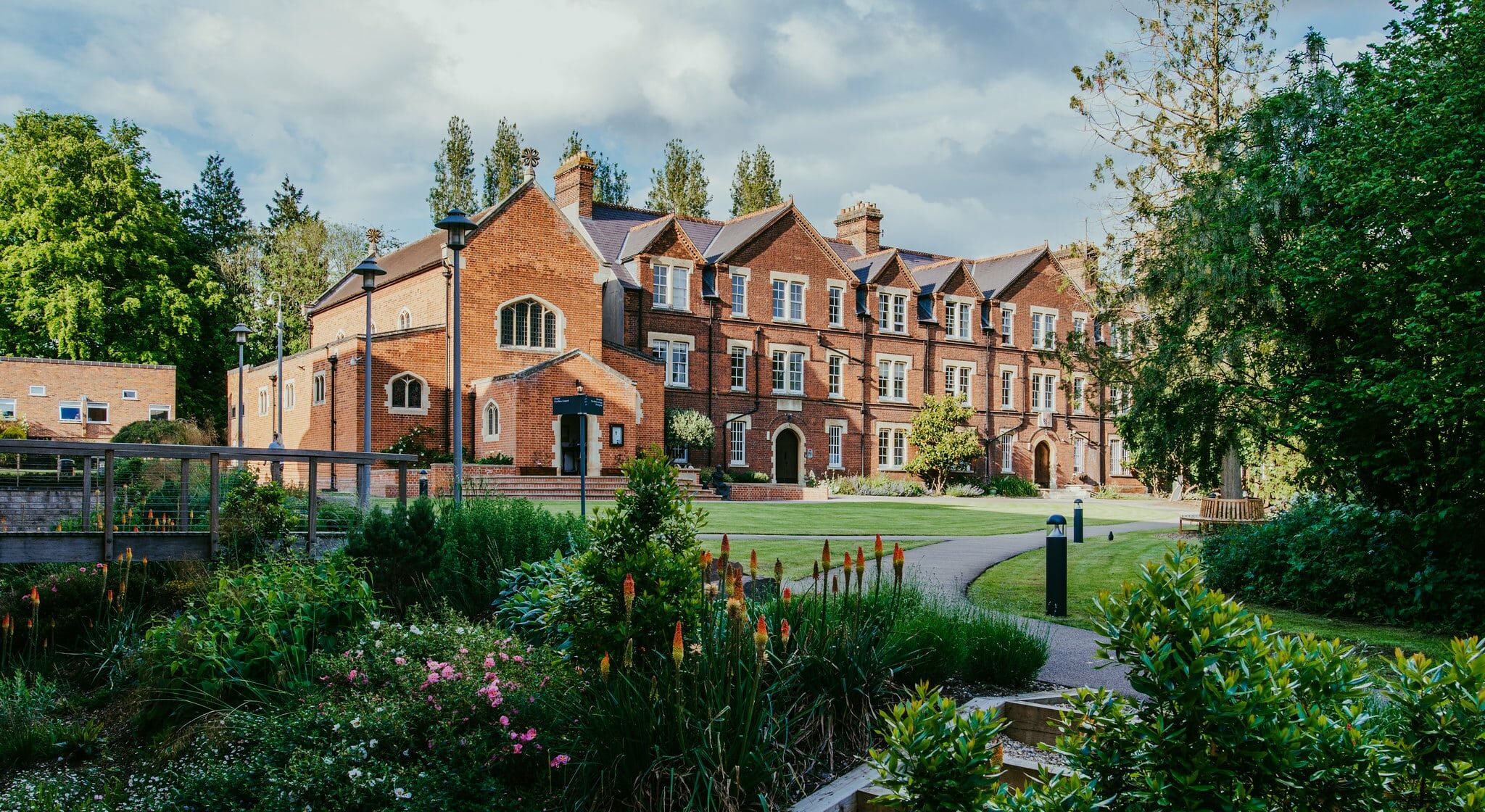
Dr Marc Neugröschel

Research Associate

Dr. Marc Neugröschel is a Research Fellow in the ISGAP-Woolf Institute Fellowship Training Programme in Critical Contemporary Antisemitism Studies, Discrimination, and Human Rights. A sociologist, he earned his PhD and MA from Hebrew University in Jerusalem, Israel. Prior to this, he studied at RWTH University in Aachen, Germany, his birthplace and hometown. Additionally, he has worked as a journalist for German and Israeli English-language newspapers.

Bernadette O’Flynn

Emeritus Fellow

Bernadette O’Flynn

Emeritus Fellow
Emeritus Fellow

Bernadette O'Flynn was Head of Personnel for the assistant staff in the University of Cambridge from 1992 - 1999, having joined the University in 1972 as Industrial Relations Officer. From 1999-2005 she worked for the British Council, as Personnel Director for Spain.

Professor Peter J O’Donnell

Tutor, Fellow

Professor Peter J O’Donnell

Tutor, Fellow
Affiliated Lecturer at the Department of Applied Mathematics and Theoretical Physics, Director of Studies in Mathematics, Tutor, Financial Tutor

Peter O’Donnell is an Affiliated Lecturer in the Department of Applied Mathematics and Theoretical Physics, a member of the Relativity and Gravitation research group and a Fellow of the Institute of Mathematics and its Applications. His current research interests are:

Lanczos potential theory. The Weyl tensor can be generated differentially by a three index tensor: the Lanczos tensor, which was derived from a Lagrangian that was initially constructed to analyse the self-dual part of the Riemann tensor. An ongoing study is being carried out to investigate the mathematical and physical properties of the Lanczos tensor. In generating the Weyl tensor the Lanczos tensor acts as a potential – analogous to the electric tensor in electromagnetic theory.

Twistor theory applied to Lanczos potential theory. The purpose of this research is to utilise the techniques of twistor theory in order to carry out a qualitative and quantitative analysis of the Lanczos potential, which appears to have some connection with local twistor transport.

Amongst his publications, Peter is the author of two books:

Introduction to 2-Spinors in General Relativity (World Scientific, 2003)

Essential Dynamics & Relativity (CRC Press, 2014).

He is a Tutor and Director of Studies at St. Edmund’s for Mathematics.

Dr Bernadette O’Keeffe

Emeritus Fellow

Dr Bernadette O’Keeffe

Emeritus Fellow

Emeritus Fellow. Former Co-Director of the Von Hugel Institute and tutor

Norfolk Building and Chapel

Dame Bridget Ogilvie DBE FRS

Honorary Fellow

Dame Bridget Ogilvie DBE FRS

Honorary Fellow

Former Director, Wellcome Trust

Dr Jonathan Padley

Bye-Fellow, Director of Studies

Dr Jonathan Padley

Bye-Fellow, Director of Studies

Jonathan Padley is a specialist in English children’s literature from the eighteenth century to the present day. His work explores margins, particularly the marginalisation of authors, texts, and characters. His PhD argued that the child protagonists of children’s literature can be understood, etymologically and theoretically, as monsters. He serves on the Editorial Board of Children’s Literature in Education.

As well as children’s literature, Jonathan is interested in interdisciplinary dialogues between literature, media, music, science, and theology. He has published broadly, including on transgressive creation in Shelley’s Frankenstein, bibliographical anomaly in Tennyson’s English Idyls, and Christological imaging in Tolkien’s Middle-earth mythos.

Jonathan is a Bye-Fellow and Director of Studies in Education at St Edmund’s College. He is also a Fellow, Tutor, and the Tutor for Undergraduate Admissions at St John’s College; a Bye-Fellow and Director of Studies in Education at Lucy Cavendish College; an Affiliated Lecturer at Cambridge’s Faculty of Education; and an Honorary Member of the Faculty of English. He teaches and examines undergraduates and postgraduates in English children’s literature.

Alongside academic work, Jonathan is committed to widening participation in higher education. From 2013 to 2015, he was seconded to Welsh Government to co-lead the research and policy implementation which gave rise to Seren, in which he remains keenly interested.

Before Jonathan came into post at St John’s in 2025, he worked for fourteen years at Churchill College, Cambridge, first as an outreach practitioner, then as a Fellow and the College’s Lead Admissions Tutor. Prior to moving to Cambridge, Jonathan was variously an Honorary Research Associate of the Department of English Language and Literature at Swansea University, and a Lecturer and Tutor at Gorseinon College and Coleg Sir Gâr.

Dr Tony Palmer

Emeritus Fellow

Dr Tony Palmer

Emeritus Fellow

Dr Palmer was an Assistant Director of Research at the Veterinary School responsible for clinical neurology and neuropathology. His research concerned the neuropathology of nervous diseases of animals and a special interest in the neuropathology of decompression sickness.

Dr Palmer raised grants for the building of a unit of Comparative Neurology including the provision of three electron microscopes. His research was focussed on the relation of clinical signs to underlying neuropathology. He was the Senior Tutor at St Edmund's from 1974 - 1978.

Publications

  • Introduction to Animal Neurology. Blackwell Scientific Publications 1976

Awards & Recognitions

  • President of the British Neuropathological Society

Dr Michael Pashkevich

Visiting Scholar

Dr Michael Pashkevich

Visiting Scholar
Research Fellow

Michael is the Marshall Sherfield Fellow and a postdoctoral researcher in the Insect Ecology Group (Department of Zoology). He uses field-based data collection methods and statistical modelling to study how management of tropical agricultural systems affects biodiversity and ecosystem functioning. His current research is based in oil palm ecosystems in Indonesia and Liberia. Prior to joining St Edmund’s College, Michael completed his BSc in Biological Sciences at Loyola University New Orleans, and his PhD in Zoology at the University of Cambridge. Michael is passionate about public engagement and teaching, especially with the University Museum of Zoology. In his free time, he enjoys long-distance running, camping, and cooking foods that are native to his hometown (New Orleans, USA).

Dr Vibhuti Patel

Bye-Fellow

Dr Vibhuti Patel

Bye-Fellow

Dr Vibhuti Patel is Head of Development, Southeast Asia and Australasia in the University of Cambridge Development and Alumni Relations office, building philanthropic partnerships for the Collegiate University in those regions. She previously worked at the University Research Office, where she looked after industry partnerships and research impact for the School of the Biological Sciences.

Prior to joining the University of Cambridge, Vibhuti worked in various roles across publishing, strategic partnerships and international development for the Royal Society of Chemistry.She has a background in biochemistry, completing her B.Sc. and Ph.D. at the University of Warwick. As part of and alongside her career roles, Vibhuti has provided training on knowledge exchange and research impact and consulted on research impact for the European Commission and for funding agencies in Chile.

Dr Suzanne Paul

Tutor, Fellow, Fellow Archivist and Librarian

Dr Suzanne Paul

Tutor, Fellow, Fellow Archivist and Librarian

Dr Suzanne Paul is the Keeper of Rare Books and Early Manuscripts at Cambridge University Library, Fellow Librarian, Fellow Archivist

Dr Suzanne Paul is the Keeper of Rare Books and Early Manuscripts at Cambridge University Library.  She obtained an MA in Classics and Medieval History from the University of Edinburgh, followed by an MA and PhD in Medieval Studies from the University of Leeds. From 2003-2007, she undertook post-doctoral research at the University of Hull which resulted in the publication of the 4-volume Repertorium of Middle English Prose Sermons. In 2007, she moved to Cambridge to work as a researcher on the Parker on the Web project at Corpus Christi College and subsequently became sub-librarian of the Parker Library. From 2013-2015, she was the Medieval Manuscripts Specialist in the Department of Manuscripts and University Archives in Cambridge University Library. Within the broad field of manuscript research, she has a particular interest in the application of digital technologies to the study and curation of medieval manuscripts.

Follow us

Stay up to date with our rich college life here at St Edmund's through our social media channels.