
HomeAboutOur People

Our people

Filter staff:
Professor Michael Herrtage

Professor Michael Herrtage

Life Fellow

Professor Michael Herrtage

Life Fellow

My clinical interests include all aspects of small animal medicine and diagnostic imaging. I was the former Vice-Master of St Edmund’s College and the former Dean of the Veterinary School. 

Mike Herrtage graduated in Veterinary Medicine from the Liverpool University in 1975. He is currently Emeritus Professor of Small Animal Medicine in the Department of Veterinary Medicine. He became a Fellow of St. Edmund’s College in 1990. He oversaw the small animal medicine and diagnostic imaging services at the Queen’s Veterinary School Hospital until his retirement and still works part-time in the Hospital. His clinical interests include all aspects of small animal medicine and diagnostic imaging, but he has a particular interest in endocrine and metabolic disorders. He has spoken at many international meetings and published over 200 articles in refereed journals. He was awarded the British Small Animal Veterinary Association (B.S.A.V.A.) Woodrow Award in 1986 for outstanding contributions in the field of small animal veterinary medicine and the B.S.A.V.A. Blaine Award for outstanding contributions to the advancement of small animal medicine in 2000. In 2014, he was awarded the World Small Animal Veterinary Association International Award for Scientific Achievement for outstanding contributions by a veterinarian, who has had a significant impact on the advancement of knowledge concerning the cause, detection, cure and/or control of disorders of companion animals.

He received the B.S.A.V.A. Bourglet Award for really outstanding international contributions to the fields of small animal practice and science in 2019, the British Veterinary Association’s Dalrymple-Champneys Cup and Medal for outstanding services to the advancement of veterinary medicine and science in 2021 and the Queen’s Medal, the highest honour the Royal College of Veterinary Surgeons can bestow on an individual in recognition of a highly distinguished career with sustained and outstanding achievements, in 2022.He has been President of the British Veterinary Radiology Association, President of the British Small Animal Veterinary Association, President of the European Society of Veterinary Internal Medicine and the first President of the European Board of Veterinary Specialisation, which was instrumental in promoting and co-ordinating the development of veterinary specialisation in Europe. He is a Diplomate of both the European College of Veterinary Internal Medicine and of the European College of Veterinary Diagnostic Imaging and is a Past President of the European College of Veterinary Internal Medicine.

Professor Michael D Driessen, a man with wavy brown hair and a beard, wearing a brown checked suit and patterned tie, leans on a stone balustrade outdoors amid bare trees and buildings in the background.

Professor Michael D Driessen

VHI Affiliate Member

Professor Michael D Driessen

VHI Affiliate Member
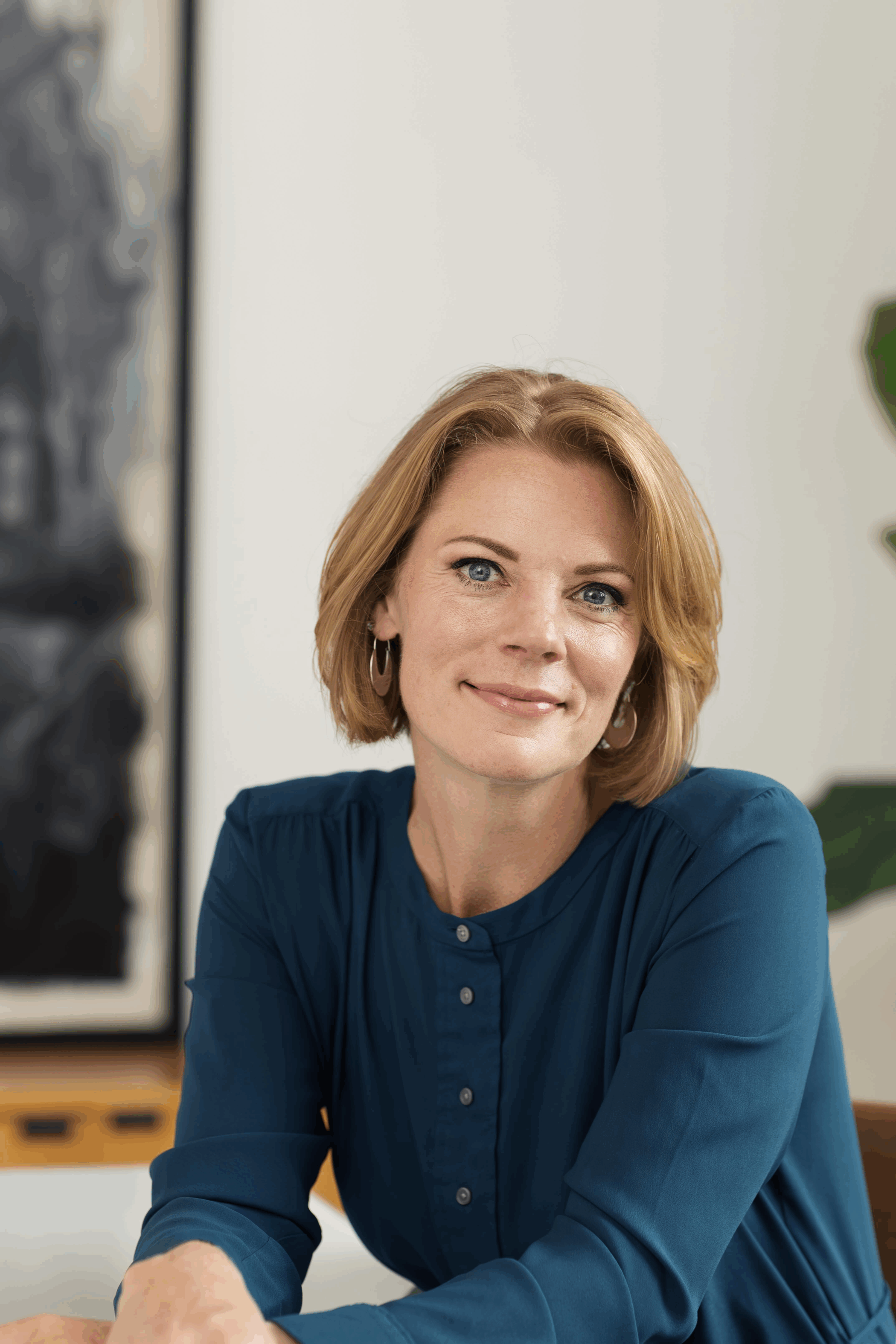
My research focuses on relationship between religion and democracy in the Mediterranean region; interreligious dialogue; global Catholicism and Islam; and religious conceptions of humanism.

Michael Driessen is Professor of Political Science and International Affairs and the inaugural Director of the MA program in International Affairs at John Cabot University.

Michael received his doctorate from the University of Notre Dame and has been a post-doctoral fellow at Georgetown University's School of Foreign Service in Doha, Qatar as well as a Jean Monnet Fellow at the European University Institute in Florence. He has taught at John Hopkins University’s School of Advanced International Studies in Bologna and holds a research affiliation with Cambridge University’s Von Hügel Institute. He also serves as an advisor for the Adyan Foundation in Lebanon.

Professor Driessen also directs the Rome Summer Seminars on Religion and Global Politics, an annual writing workshop and policy dialogue supported by a consortium of institutions and scholars working at the crossroads of religion and international relations and held under the patronage of the Italian Ministry of Foreign Affairs. He is also a longtime member of the communities of L’Arche and am working on the Disability and Knowledge research project co-sponsored by the Von Hügel Institute.

Driessen’s books include The Global Politics of Interreligious Dialogue (Oxford University Press, 2023), Human Fraternity and Inclusive Citizenship: Interreligious Engagement in the Mediterranean (ISPI, 2021; co-edited with Fabio Petito and Fadi Daou), and Religion and Democratization (Oxford University Press, 2014). He has published scholarly articles in Comparative Politics, Sociology of Religion, Politics and Religion, Constellations and Democratization and essays in America Magazine and Commonweal.

Academic Profile

Dr Nancy Michael

Dr Nancy Michael

Research Associate

Dr Nancy Michael

Research Associate
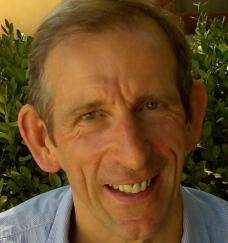
My research explores intersections between neuroscience, experience and community wellbeing. Using a community-centred model, I apply evidence-based pedagogy to community learning experiences that cultivate not just knowledge, but skills and dispositions broadly in support of community wellbeing.

Dr Nancy Michael earned her doctorate degree in neuroscience from the University of Minnesota in 2012. Her doctoral studies were anchored in the field of behavioural neuroendocrinology where she explored questions of experience dependent plasticity – how experiences with the individuals and the world around us change nervous system structure and function. This curiosity led her to pursue postdoctoral studies in an adolescent development lab, further developing her ability to interrogate the ways in which experiences moderate brain structure, function and behaviour. Harnessing this background in experience dependent plasticity, Michael chose to devote her skills to undergraduate educational formation. She joined the Notre Dame faculty in 2014 to develop the newly created undergraduate program in neuroscience and behaviour. Over the years, her dedication to excellence, innovation in education and commitment to community wellness have earned her numerous teaching, advising and community awards, and currently serves as the Director of Education and Co-Director for the Neuroscience and Behaviour major at the University of Notre Dame. In addition to her work on campus, Michael partnership with multiple community organizations to develop and implement NEAR science approaches that aim to mitigate the impact of toxic stress and promote healing and resilience of individuals and communities. NEAR stands for Neuroscience, Epigenetics, Adverse childhood experiences and Resilience, and a NEAR-science approach uses a community-centred, general capacity building model to mobilize the evidence base of the NEAR sciences in support of practical skill development for individuals and community organizations.

Broadly, Dr Michael’s work collaboratively develops population-specific, NEAR-based strategies to support practical skill building for community healing and resilience efforts. Her work is published across a wide variety of platforms ranging from primary scientific journals, book chapters, to children’s books. Common themes across her writing centre around experience dependent plasticity and the critical role relationships play in human learning and well-being. In addition to her written works, Dr Michael takes a leadership role in designing and executing a wide variety of professional development opportunities to support individuals in the “helping professions” (e.g. educators, youth workers, mental health professionals, community health workers, medical professionals, etc.). Dr Michael is known for making very complex information accessible and actionable in practical contexts. The breadth of her productivity is indicative of her desire to not only participate in knowledge generation, but to support the translation of the neuroscientific knowledge base into practical skills, behaviours and habits of mind that become present in our daily living.

Academic Profile 

Publications

  • Michael N, Chan-Deveare V, [Eifler and Wheeler (Eds)], Learning to Serve: A Neuroscience-informed Scaffold to Developing Students as Community Leaders, 2025, Beneath the Rage and Tumult: Promoting Radical Hospitality and Belonging in College Classrooms.
  • Michael N. A Part, Not Apart: courageous curiosity reminds us of shared our shared humanity, 2024, Notre Dame Magazine
  • Brown K*, Nisbet A*, Hammond R*, [Michael NA (Ed)]. No Snow Day for the Brain, 2020, Lulu publishing.
  • Hollender M*, Michael NA, Short-Term Brain-Based Growth Mindset Pilot Intervention Indicates Potential of Diversion Programs for Early Offenders in the Juvenile Justice System, 2023, Internat J of Soc Sci and Human Research
A young man with wavy brown hair is smiling, wearing a black tuxedo and bow tie. The background is slightly blurred, showing greenery and a stone building—an elegant portrait of Dr Michael Pashkevich.

Dr Michael Pashkevich

Visiting Scholar

Dr Michael Pashkevich

Visiting Scholar
Research Fellow

Michael is the Marshall Sherfield Fellow and a postdoctoral researcher in the Insect Ecology Group (Department of Zoology). He uses field-based data collection methods and statistical modelling to study how management of tropical agricultural systems affects biodiversity and ecosystem functioning. His current research is based in oil palm ecosystems in Indonesia and Liberia. Prior to joining St Edmund’s College, Michael completed his BSc in Biological Sciences at Loyola University New Orleans, and his PhD in Zoology at the University of Cambridge. Michael is passionate about public engagement and teaching, especially with the University Museum of Zoology. In his free time, he enjoys long-distance running, camping, and cooking foods that are native to his hometown (New Orleans, USA).

Dr Michael Robson, a middle-aged man with light brown hair and blue eyes, smiles at the camera. He is outdoors, framed by green leafy bushes and wearing a light blue collared shirt.

Dr Michael Robson

Emeritus Fellow

Dr Michael Robson

Emeritus Fellow
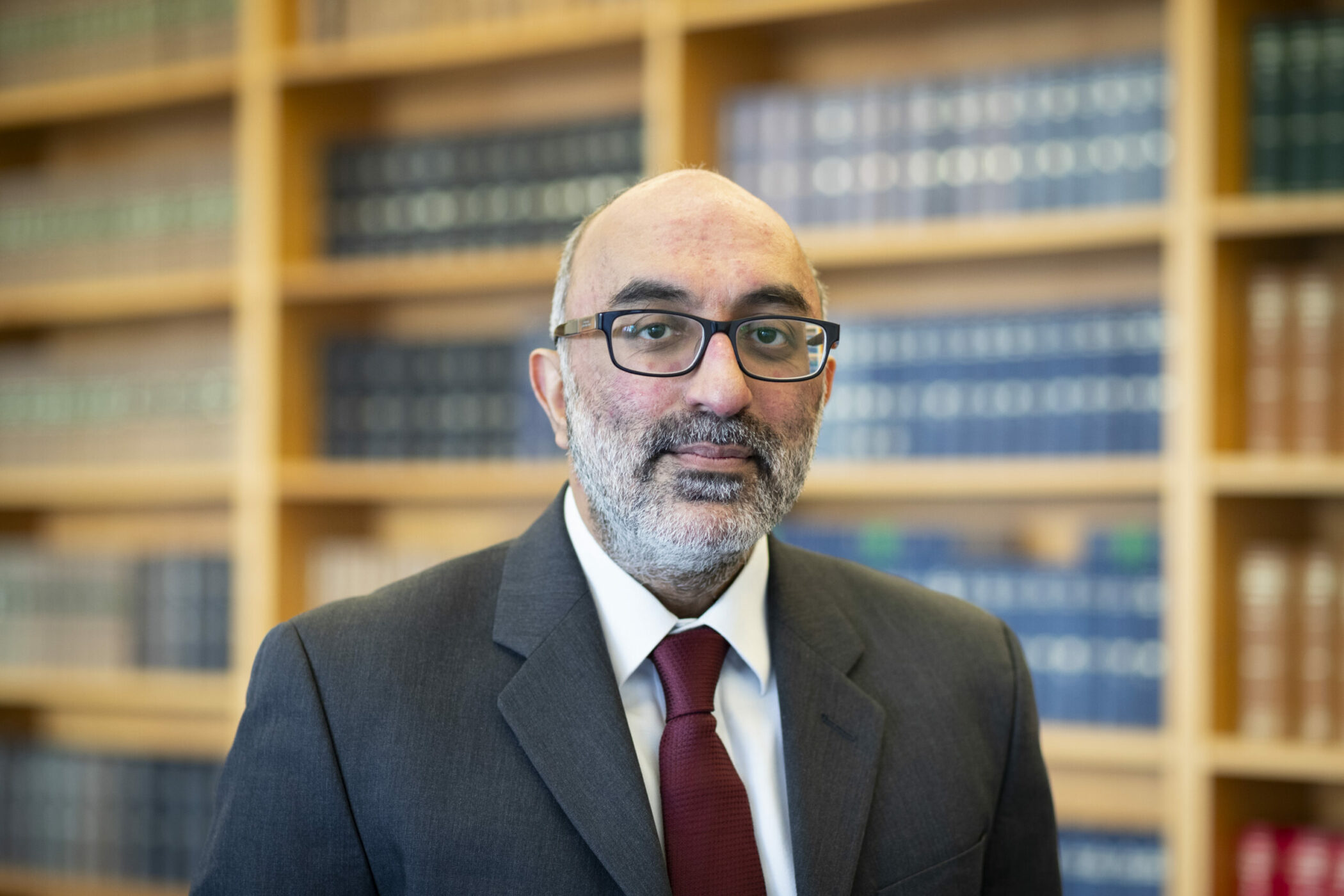
Emeritus Fellow and former Dean of Chapel, Admissions Tutor and Praelector

Michael J.P.Robson, BA, Ph.D. (Cantab), Fellow, Dean of Chapel (1992-2011 as a member of the Friars Minor Conventual), Admissions Tutor for Undergraduates (1996-2002 and 2011-13), Tutor (2007-13), Director of Studies in Theology and Religious Studies (1996-2013) and Praelector (from 2003-15).  He has been an Emeritus Fellow since 2013.  He read Theology at the University of Kent in Canterbury (1974-77) and obtained a Ph.D. in the Faculty of Divinity as a member of Sidney Sussex College, Cambridge (1983-85). He was a lector at the Franciscan Study Centre, Canterbury, and an honorary lecturer at the University of Kent (1986-92). He obtained a dispensation from the priesthood and religious life in 2020. He was appointed socio esterno o aggregato of the Istituto storico dei Cappuccini, Rome, on 29 December 1988 and a fellow of the Royal Historical Society from September 1999. He has assessed book proposals submitted to Cambridge University Press, Brill and Oxford University Press. He has supervised undergraduates, marked M.Phil. questions and examined dissertations and Ph.Ds in Cambridge and elsewhere. He was elected as an honorary visiting fellow in the Borthwick Institute of Historical Research, University of York, for 1999-2000.

Membership of historical & theological societies  2018, 14 April:

1988, 29 December: Appointed socio esterno o aggregato of the Istituto storico  dei Cappuccini in Rome on the recommendation of Revd.Dr. Servus Gieben, OFM. Cap.

1992, 1 October: elected a Fellow (Class A) of St Edmund’s College, Cambridge, until 30 September 2013 and thereafter as an Emeritus Fellow.

1999, September: elected a Fellow of the Royal Historical Society, resigned 2011.

1999/2000: Honorary Visiting Fellow in the Borthwick Institute of Historical Research at the University of York.

2004, 29 November: appointed as Associate Editor of Franciscan Studies, St Bonaventure’s University, New York.

2009, March: appointed as a member of the Conseil International of Revue d’histoire ecclésiatique, Leuven, for five years.

2011, October: appointed a member of the Comitato scientifico of Il Santo: rivista francescana di storia dottrina arte, Padua

2012, November: appointed a member of the Comitato scientifico of Frate Francesco, rivista di cultura francescana, Rome

2012, October: appointed to the scientific committee of Studii Franciscane: Revista Institutului Teologic Romano-Catolic Franciscan Roman, Romania.

2013, 1 October: elected emeritus Fellow of St Edmund’s College.

2017, 15 December: co-opted as a Socio ordinario of Società Internazionale di Studi Francescani in Assisi.

2018, 6 February: nominated for the editorial board of Archivum Franciscanum Historicum, Rome.

Unpublished doctoral thesis

Saint Anselm’s Influence upon Saint Bonaventure’s Theology of Redemption, Dissertation for a Ph.D., Cambridge University, approved 15 November 1988.  Unpublished thesis, BLDSC number: D60255.

Monographs

St Francis of Assisi: The Legend and the Life, Geoffrey Chapman, Cassell (London, 1997).  ISBN 0225667363, Paperback published in 1999, ISBN 0-225-66736-3. Reprinted by Continuum in 2002, ISBN 0826465080.

The Franciscans in the Medieval Custody of York, Borthwick Institute of Historical Research, University of York, Borthwick Papers, 93 (York, 1997), pp. 1-40, ISSN 0524-0913.  An Ebook.

The Franciscans in the Middle Ages (Monastic Orders, general editor, Janet Burton), Boydell and Brewer (Woodbridge, 2006), pp. i-xiv, 1-239, ISBN 1-84383-221-6.  Paperback printed in 2009, ISBN 9781 843835158. An eBook from November 2011.

The Greyfriars of England (1224-1539): collected papers, Centro Studi Antoniani, 49 (Padua, 2012), pp. vii-xiv, 1-400.  ISBN 978-88-85155-90-9.  An Ebook from 2012.

A Biographical Register of the Franciscans in the custody of York, c.1229-1539, The Yorkshire Archaeological and Historical Society, Record Series, 156 (Woodbridge, 2019), pp. ii-xviii, 1-307.   ISBN 978-0-9932383-9-0. An e-book.

Edited volumes

The Cambridge Companion to Francis of Assisi, ed.M.J.P.Robson, Cambridge Companions to Religion, Cambridge University Press, (Cambridge, 2012), ISBN 978-0-521-76043-0, Paperback 9780521760430. An eBook. A Portugese translation by Alessandra Siedschlag, Francisco de Assis História e herança, Editora Santuário, Aparecida, São Paulo, Brazil, 2015, ISBN 978-85-369-0409-2.

The English province of the Franciscans (1224-c.1350), ed.M.J.P.Robson, The Medieval Franciscans, 14, Brill (Leiden, 2017), pp. i-xxx, 1-416. ISBN 978-90-04-33161-7, An E-book.

Co-edited volumes

Canterbury Studies in Franciscan History, I, ed.M.J.P.Robson and J.Röhrkasten, (Canterbury, 2008), ISBN 978-0-9549272-1-9.

Franciscan Organisation in the Mendicant Context: Formal and informal structures of the friars’ lives and ministry in the Middle Ages, ed.M.J.P.Robson and J.Röhrkasten, Vita Regularis, 44 (Münster, 2010), pp.i-xxiii, 1-414, ISBN 9783643108203.

Insanity and Divinity: Philosophical and Psychoanalytic Studies in Psychosis and Spirituality, ed.J.Gale, M.J.P.Robson and G.Rapsomatioti, Routledge, Studies in Psychosis and Spirituality (London, 2013).  ISBN 978-0-415-60861-9

The Franciscan Order in the Medieval English Province and Beyond, ed.M.J.P.Robson and P.N.R.Zutshi, Church, Faith and Culture in the Medieval West (Amsterdam University Press, 2018).  ISBN 978-94-6298-647-3.

Testimony, Narrative and Image: Studies in Medieval and Franciscan History, Hagiography and Art in memory of Rosalind B.Brooke, eds.M.F.Cusato and M.J.P.Robson, The Medieval Franciscans, 20, Brill (Leiden, 2022), ISBN  978-90-04-50375-5

Professor Sandesh Sivakumaran, a man with glasses, a grey beard, and a suit with a red tie, stands in front of bookshelves filled with books in a library or office setting.

Professor Sandesh Sivakumaran

Fellow, Director of Studies

Professor Sandesh Sivakumaran

Fellow, Director of Studies
  • Director of Studies: Law LLM and MCL

Professor Sandesh Sivakumaran's research focuses on international law, particularly the human dimension of international law.

Professor Sivakumaran is Professor of International Law at the University of Cambridge, Director of the Lauterpacht Centre for International Law, and Fellow of St Edmund's College, Cambridge. He is a Senior Fellow at the Lieber Institute for Law and Warfare, United States Military Academy (West Point), Fellow of the University of Nottingham Human Rights Law Centre, and Fellow of the Centre on Armed Groups. He advises and acts as expert for a range of states, international organizations and non-governmental organizations.

Academic Profile

Publications

  • Sivakumaran, The Law of Non-International Armed Conflict, 2012, OUP
  • Higgins, Webb, Akande, Sivakumaran & Sloan, Oppenheim's International Law: United Nations, 2017, OUP
  • Harris and Sivakumaran, Cases and Materials on International Law, 2020, Sweet and Maxwell
  • Moeckli, Shah, Sivakumaran (eds), International Human Rights Law, 2022, OUP
  • Sivakumaran and Burne (eds), Making and Shaping the Law of Armed Conflict, 2024, OUP
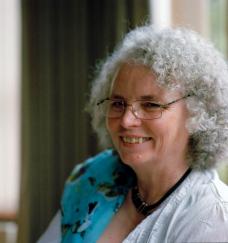
Professor Helen Mason, OBE, an older woman with curly grey hair and glasses, smiles in a light blouse and blue-green patterned scarf, sitting indoors with blurred curtains in the background.

Professor Helen Mason OBE

Life Fellow

Professor Helen Mason OBE

Life Fellow

Professor Mason is an Emerita Professor in Solar Physics at DAMTP. She was a Tutor at St Eds for many years and then Senior Tutor from 2006-2011. She also served on many college and University committees. Her photo portrait hangs in the Garden Room with other Life Fellows.

Helen Mason’s field of research is solar physics. She is one of the world’s leading experts on the ultraviolet, UV, and X-ray spectrum of the Sun. She led the Atomic- Astrophysics Group at the Department of Applied Mathematics and Theoretical Physics (DAMTP) until her retirement in 2017. She has worked as a co-investigator and associated scientist on many joint UK, NASA, ESA, Japanese and Indian space projects including SoHO (Solar and Heliospheric Observatory), Hinode and SDO (Solar Dynamics Observatory). Solar space observations have completely changed our view of the Sun. She is a founder member of the CHIANTI team, an atomic database universally used for the analysis of solar spectroscopic observations, with over 4000 citations. Helen has been based at Cambridge University for over 40 years, having obtained a BSc (First Class Honours) in Physics and Astronomy and PhD at the University of London. She has taught at Cambridge University, London University and for the Open University. She has served as lecturer, examiner, Director of CATAM and on the Maths Faculty Board. She has also supervised many PhD students and post-docs who now have successful careers in the UK, Europe, India and the USA. She has organised and led many international conferences on solar physics. She has an extensive publication list (around 250 papers in refereed journals), with several (25) invited reviews and book chapters.

Helen has always been keen to convey her passion for solar physics to the public and school students. She has given many public lectures, including at the Cambridge Festival, Royal Institution and Institute of Physics. She has written articles for science magazines and participated in many radio and TV programmes, for example the BBC program ‘Seven Ages of Starlight’ and BBC Radio4 ‘In Our Time – Solar Wind’, reaching thousands of people. She was NASA’s solar representative at the Great American Eclipse, 2017, in the Great Smoky Mountains National Park, with media coverage reaching thousands. She has engaged in a multitude of outreach activities throughout her career, in particular working with school children, locally and nationally. She has focussed on those schools most in need of science enrichment. She produced an educational web site for teachers and students called Sun|trek (www.suntrek.org) which has been used extensively in the UK, USA and worldwide. More recently, she has led the SunSpaceArt project (sunspaceart.org), a team of scientists and artists, funded by STFC. Her team have run workshops in many schools (for children aged 7-12 years old) and led family activities at science festivals, reaching around 15,000 children and 2,000 teachers. The feedback has been superb. Helen has also been keen to promote education in developing countries. She has visited South Africa to work on astronomy projects with teachers and students in the former townships. She has also worked extensively in India, with schools in Pune, Maharashtra, and the rural areas of Tamil Nadu.

Academic Profile

Publications

  • Mondal, B, Mason, H.E. et al., Evolution of the Elemental Abundances during B-class solar flares: soft X-ray spectral measurements with Chandrayaan-2 XSM, 2021, ApJ, 920
  • Mulay, S., Tripathi, D. & Mason, H.E., Thermodynamic evolution of a sigmoid active region and associated flares, 2021, MNRAS, 504,
  • Mason, H.E. & Schell, H., We love STEAM, 2021, Astrononmy and Geophysics, 62,
  • Del Zanna, G. & Mason, H.E., Solar UV and X-ray Spectral Diagnostics, 2018, Solar Physics Living Reviews, 15, 5
    Awards & Recognitions
  • 2010- Helen was nominated as one of the six ‘Women of Outstanding Achievement’.
  • 2010 - An international meeting was held in her honour at DAMTP, Solar Plasma Spectroscopy- Achievements and Future Challenges: Celebrating the Career of Dr Helen Mason.
  • 2014 - Helen was awarded an OBE for her services to Higher Education and to Women in Science, Engineering and Technology.
  • 2018 - Helen was awarded the Royal Astronomical Society’s Annie Maunder Medal for Outreach.
  • 2024 - Helen won an Ogden Trust award for Sustained Contribution to Physics Outreach.
  • 2021 - the SunSpaceArt team, which Helen Mason leads, was awarded the Sir Arthur Clarke Group Award for Space Achievement in Education and Outreach.
  • 2024 - the CHIANTI team, of which Helen Mason is a Founder Member won the NASA Group Achievement Award ‘for outstanding contributions to the scientific productivity of NASA missions and the creation of a uniquely valuable tool for spectroscopic scientists worldwide’.
Professor Chris Young, Master of St Edmund's College

Professor Chris Young

College Master

Professor Chris Young

College Master

Professor Chris Young became Master of St Edmund's on 1 October 2024.

Professor Chris Young is Professor of Modern and Medieval German Studies at the University of Cambridge and was Head of the School of Arts and Humanities prior to his appointment as Master of St Edmund's College. He is also Director of the Cambridge DAAD Research Hub for German Studies, and founder and Director of the Cambridge-LMU Strategic Partnership, Cambridge’s first institution-wide partnership with any university. He is both a medievalist and a prize-winning historian of modern sport.

His primary teaching and research interests focus on medieval German literature and language, as well as the history of European sport, with a particular emphasis on German sport. He has been a Fellow of the Alexander von Humboldt-Stiftung (Cologne), a Permanent Visiting Fellow of the Friedrich Schlegel Graduiertenschule für literaturwissenschaftliche Studien der FU Berlin (2010-12), a Visiting Fellow of the Institut für Zeitgeschichte Munich (2018) and an Honorary Fellow of the Historisches Kolleg Munich (2018). His monograph ‘The 1972 Munich Olympics and the Making of Modern Germany’ (UC Press, 2010, with Kay Schiller) was the first book to win the prizes of both the British and North American Societies for sports history. In 2021, his ‘The Whole World was Watching. Sport in the Cold War’ (Stanford University Press, 2020) also won the latter’s anthology prize. He curated a major exhibition this summer at the Fitzwilliam Museum on the 1924 Paris Olympics (best known through the film ‘Chariots of Fire’) and serves on the German government’s Historical Commission on the terrorist attack at the 1972 Olympics in Munich.

Professor Eilís Ferran, with short, straight blonde hair, smiles at the camera. She is wearing a black polo neck and a patterned blazer against a plain, light grey background.

Professor Eilís Ferran

Fellow

Professor Eilís Ferran

Fellow
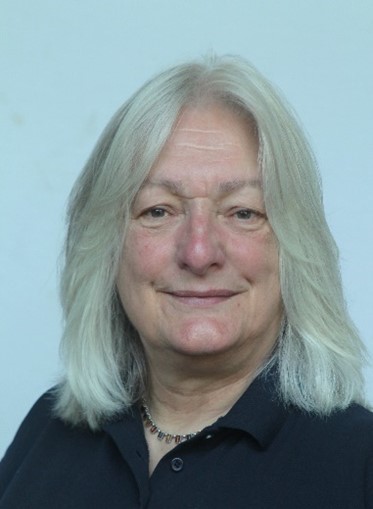
Professor Eilís Ferran is a Fellow at St Edmund's College and a Professor of Company and Securities Law at the University of Cambridge.

She is also the Provost of the Gates-Cambridge Trust, which provides scholarships for postgraduate study at Cambridge funded by a major donation from the Gates Foundation. She has written extensively on UK, EU and international financial regulation, company law and corporate finance law.  Her publications include Principles of Corporate Finance Law (OUP, 3rd edn, 2023, co-authored), Brexit and Financial Services (Hart Publishing, 2017 co-authored), The Oxford Handbook of Financial Regulation (OUP, 2015, co-edited) and The Regulatory Aftermath of the Global Financial Crisis (CUP 2012, co-authored).  She is a Fellow of the British Academy and an Honorary Bencher of Middle Temple.  She is an independent director of a number of profit and not-for-profit companies, and of a charitable foundation.

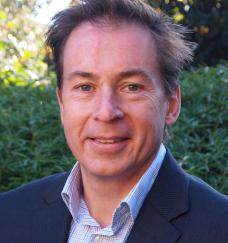
Professor Tina Barsby, OBE, an older person with long grey hair, wearing a black collared shirt and a beaded necklace, smiles slightly in front of a plain light background.

Professor Tina Barsby OBE

Emerita Fellow
Professor Tina Barsby OBE

Emerita Fellow

Tina Barsby is recognised for scientific achievements in crop science and is Honorary Professor of Agricultural Botany at the University. Following 18 years with the plant breeder Limagrain, in 2008 she became the first female CEO of NIAB, the National Institute of Agricultural Botany, from which she retired in 2021. She is a Fellow of the Royal Society of Biology, and a Fellow of the Royal Agricultural Society of England.

Tina was awarded the OBE in the 2018 New Year’s Honours List for services to agricultural science and biotechnology.  Tina chairs the Agricultural Advisory Board of Future Biogas, and the Board of Farm Data Principles. She is employed part-time as Agricultural and Scientific Advisor to the G’s group of companies.

She has extensive experience as a Trustee and is currently a member of the John Innes Foundation and the Lawes Trust, as well as a member of the College Council.

Professor Nick Mansley, a man with short brown hair, wearing a dark blazer and light striped shirt, smiles outdoors in front of green foliage and trees.

Professor Nick Mansley

Bye-Fellow

Professor Nick Mansley

Bye-Fellow
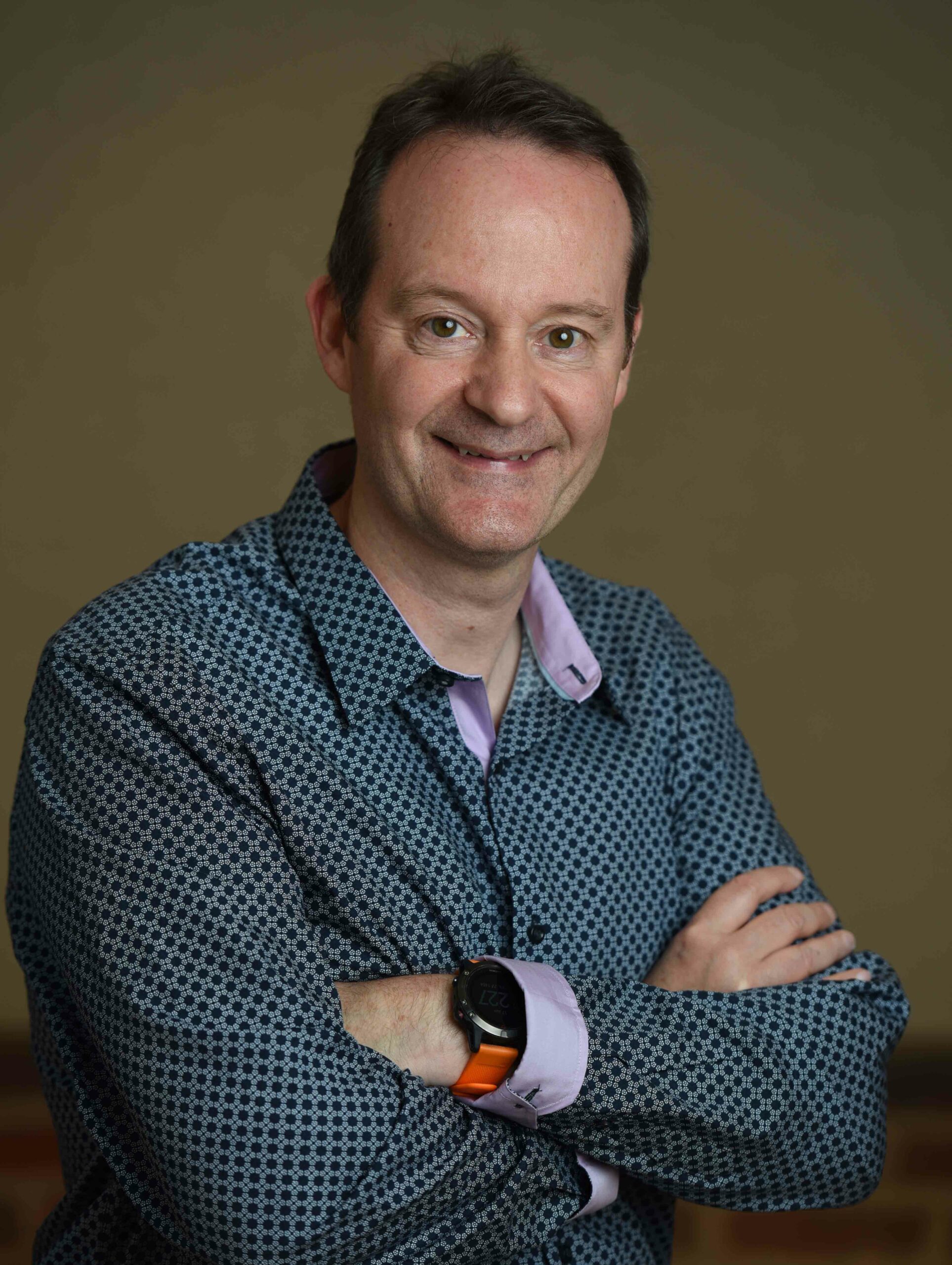
Professor Nick Mansley's research focuses on issues in real estate finance and investment, particularly issues around drivers of performance. He is still actively involved in the industry as an independent investment committee member and consultant.

Professor Nick Mansley is the Director of the Cambridge Real Estate Research Centre and Course Director of the part time Masters in Real Estate programme. He has published research on performance drivers of real estate, the structure of the market and fundamental value. He worked in the investment management industry for nearly 20 years in a global role at Aviva across all asset classes and previously in a Chief Investment Officer role in the real estate business. Prior to that he worked in economic consultancy based in Cambridge.

Academic Profile

Prof Evan Reid

Professor Evan Reid

Fellow

Professor Evan Reid

Fellow

Professor Evan Reid is a clinician-scientist who studies the molecular cell biology of genetic motor neuron disorders, with a research group based at Cambridge Institute for Medical Research. He is clinically active and see neurogenetics patients in my role as an NHS honorary consultant in Clinical Genetics.

Evan graduated in Medicine from Glasgow University in 1991 then trained in the specialty of Clinical Genetics in Glasgow and Cambridge. His main research interest is in the hereditary spastic paraplegias (HSPs), which are genetic forms of motor neuron degeneration. Evan moved to Cambridge in 1995 and completed a PhD in the Department of Medical Genetics in 2000, studying the genetics of these conditions. He has been involved in mapping and identifying numerous HSP genes. After stints as a Wellcome Trust Advanced and then Senior Research Fellow, he became a University Lecturer then Reader at the University of Cambridge. Since 2021 he has held the title of Professor of Neurogenetics and Molecular Neurobiology. Evan is a Principal Investigator at Cambridge Institute for Medical Research, a research institute of the University of Cambridge that has a strategic focus on unravelling the mechanisms of rare genetic disease. He is a clinically active and run a specialised neurogenetics clinic at Addenbrooke's Hospital. His research has encompassed the clinical features, genetics and cell biology of HSPs, but now concentrates on understanding the molecular pathology of HSP proteins that are involved in membrane traffic processes. This research has a strong focus on modelling the disease in human stem-cell derived neurons and encompasses proteomics, functional genomics and basic cell biological methodologies.

Academic Profile

Prof David Bridges Headshot

Professor David Bridges

Emeritus Fellow

Professor David Bridges

Emeritus Fellow

Professor Bridges' research focuses on educational policy and practice in the UK and internationally.

Professor Bridges is probably best known for his work in philosophy of education through which he engaged critically with evolving educational policy over six decades. He was elected Chair of the Philosophy of Education Society of Great Britain (of which he is now Honorary Vice President) and was founder and Co-Convenor of the Philosophy Section of both the British and European Education Research Associations. However, from an early stage in his career he was also drawn into empirical studies, mainly employing ethnographic and case study approaches. This work took him into many different spheres including, school accountability, policing, an Evaluation of the Engineering Councils Neighborhood Engineer scheme and multiple evaluations for local authorities of their responses to government initiatives in teacher training. Professor Bridges bridged the philosophy of education community and the wider educational research community and became a member of the Council of the British Educational Research Association and represented the UK on the Council of the European Educational Research Association. He was twice a member of the Education panel for the UK Research Assessment Exercise. A lot of his later philosophical writing addressed issues arising out of contemporary practice in educational and wider social science research.

In parallel with this academic work, Professor Bridges took on a succession of leadership positions in higher education:, first as Deputy Principal of Homerton College (in which his early career was based) and as Professor and Dean of the School of Education and then as Pro Vice Chancellor in the University of East Anglia. On retiring (early) from this he came to St Edmund's as Visiting Fellow and then remained as Director of the Von Hugel Institute. In parallel with this he was appointed first Director of the newly established Association of Universities in the East of England, which was an HE response to the government's creation of Regional Development Agencies and a Regional Assembly. Through most of his career Professor Bridges has had extensive international engagement both as an academic (Addis Ababa -- for 26 years -- Hong Kong, University of Illinois, Oslo and Chung Chen University in Taiwan, Nazarbayeth University in Astana) and as a policy consultant (Ethiopia, Guyana, Belize, Ghana, Iran, Mongolia, and, Kazakhstan). The work in Mongolia and Kazakhstan was carried out under the auspices of the Cambridge University Faculty of Education which he rejoined in 2011 and with Cambridge Assessment. A number of Professor Bridges' publications are the product of these international partnerships or arise out of reflections on this international work.

Publications

  • Bridges,D. (2023) Ethics in educational practice, policy and research. Ethics International Press.
  • Bridges,D. (2017) Philosophy in educational research: Epistemology, ethics, politics and quality. Springer
  • Bridges,D. Ed. (2014) Educational reform and internationalisation: The case of school reform in Kazakhstan. Cambridge University Press.
  • Bridges,D, Smeyers,P. & Smith, R.D Eds. (2009) Evidence-based educational policy: What evidence? What basis? Whose policy? Wiley Blackwell (Originally as a special issue of the Journal of Philosophy of Education).?
  • Bridges, D. and McLaughlin T.H. Eds. (1994) Education and the market place. Falmer Press

Awards and recognitions 

  • Fellow of the Academy of Social Sciences
  • Honorary Doctorate of the Open University
  • Honorary Vice President of the Philosophy of Education Society of Great Britain
  • Honorary Member of the European Education Research Association


Professor Edward Acton

Professor Edward Acton

Honorary Fellow

Professor Edward Acton

Honorary Fellow
Former Vice-Chancellor of the University of East Anglia

Edward Acton is an Emeritus Professor at the University of East Anglia where he is Professor of Modern European History.  Professor Acton was formerly Vice Chancellor of UEA.

Professor Francis Campbell. Image credit: Julita Sanders

Professor Francis Campbell

Honorary Fellow
Professor Francis Campbell

Honorary Fellow

Professor Campbell Joined the Foreign and Commonwealth Office (FCO) as a member of Her Majesty’s Diplomatic Service in 1997. He has worked at the United Nations Security Council in New York, the European Union, and at the Foreign & Commonwealth Office (FCO) in London and on diplomatic postings overseas. From 1999-2003, he served on the staff of the then Prime Minister Tony Blair, first as a Policy Adviser in the No.10 Policy Unit, and then as a Private Secretary to the Prime Minister. He also served on secondment with Amnesty International as the Senior Director of Policy. From 2005-2011, he served as Her Majesty’s Ambassador to the Holy See. From 2011-13, he served as Deputy High Commissioner in Pakistan. From 2013-2014 he was the Head of the Policy Unit in the FCO and Director of Innovation at UK Trade and Investment.

From 2014-2020, Professor Campbell served as Vice-Chancellor of St Mary’s University in London and also Professor of International Relations, while on special leave from the Foreign Office. In February 2020, Professor Campbell became the fourth Vice-Chancellor of The University of Notre Dame Australia. He also holds the position of Professor, International Relations.

He has been a Member of the Advisory Panel of the Independent Anti-Slavery Commissioner, London. He also served on a number of governing bodies including St. Mary’s University, St. Joseph’s Hospice (London), St. Elizabeth’s School (London) and Carlow College (Ireland). He continues to serve as a Trustee of Forward Thinking (London).

More recently, Professor Campbell was appointed a Governor of the Forrest Research Foundation, member of the Divine Word University Council, member of the Association of Catholic Colleges and Universities Board of Directors and is a founding member of the International Council on Human Trafficking at St Thomas University, Miami, School of Law.

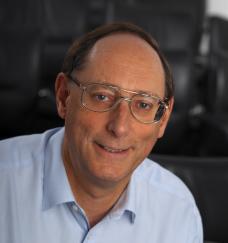
Professor Paul Luzio, a middle-aged man with short brown hair, glasses, and a light blue collared shirt, smiles at the camera. The background is out of focus, revealing dark chairs or seats.

Professor Paul Luzio

Honorary Fellow

Professor Paul Luzio

Honorary Fellow
Professor Paul Luzio undertakes research in the field of molecular cell biology, to discover and understand the molecular mechanisms of intracellular membrane traffic between specialised organelles in mammalian cells, as well as abnormalities in these mechanisms and organelle function, which lead to disease.

Professor Paul Luzio MA PhD FMedSci was Master of St Edmund’s College from 2004-2014. Paul was an undergraduate in Cambridge, reading Natural Sciences (Part II Biochemistry) at Clare College before studying for a PhD in the Department of Biochemistry. After a period in Cardiff as a lecturer in medical biochemistry at the Welsh National School of Medicine he returned to Cambridge where, in 1979 he became a University Lecturer in the Department of Clinical Biochemistry and was later promoted to Reader (1996) and then Professor (2001). In 1987-88 Paul spent a sabbatical year at the European Molecular Biology Laboratory in Heidelberg, Germany. He was elected a Fellow of St Edmund’s College in 1987 and was Senior Tutor from 1991-1996. From 2002 until 2012 Paul was Director of the Cambridge Institute for Medical Research (https://www.cimr.cam.ac.uk), a cross-departmental research institute in the Clinical School with a mission to determine the molecular mechanisms of disease in order to advance human health. From 2007-2012 he chaired the Medical Research Council’s Molecular and Cellular Medicine Board and was a member of the Strategy Board. Paul was Deputy Head of the School of Clinical Medicine from 2012-2014.

Following retirement in 2014, Paul became Emeritus Professor of Molecular Membrane Biology. As a Voluntary Director of Research, he continues to lead a small research group funded by the Medical Research Council at the Cambridge Institute for Medical Research. Paul’s research is largely concerned with intracellular membrane traffic pathways in mammalian cells and the biogenesis, re-modelling and function of intracellular organelles (little organs) called lysosomes, which play an important role in cellular nutrition and signalling. Lysosomes are acidic organelles, with changes in acidity having effects on their degradative function and ability to signal to other parts of the cells. Paul is currently studying the molecular regulation of acidification and lysosome re-modelling and how these processes contribute to lysosome function. His work has contributed to a greater understanding of how defects in membrane traffic and lysosome function contribute to human diseases, including lysosomal storage and neurodegenerative diseases.

Academic Profile

Awards & Recognitions 

  • 1987 Humboldt Research Fellowship
  • 1998 FRCPath
  • 1999 FMedSci
  • 2005 Association of Clinical Biochemists (ACB) Foundation Award
  • 2015 FRSB


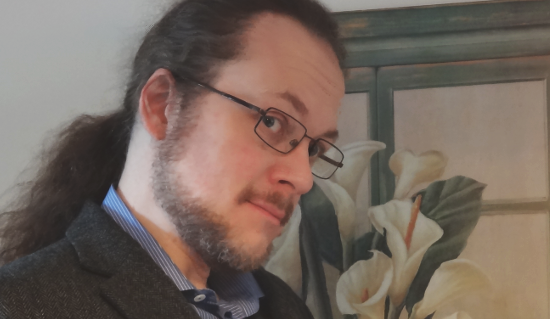
Professor Benedikt Löwe, with long brown hair, glasses, and a beard, wears a blazer and blue shirt, looking sideways with a slight smile. A painting of white flowers is visible in the background.

Professor Benedikt Löwe

Bye-Fellow, Director of Studies

Professor Benedikt Löwe

Bye-Fellow, Director of Studies

Professor Löwe's research focuses on foundations of mathematics, in particular set theory and mathematical logic, philosophy of mathematics, and empirical studies of mathematical practices.

Professor Löwe is a researcher connecting mathematics, computer science, philosophy and the social sciences. He is the Professor of mathematical logic and interdisciplinary applications of logic at the Universität Hamburg and is the chair-holder of the CIPSH chair ‘Diversity of Mathematical Research Cultures and Practices’. He is a member if the Académie Internationale de Philosophie des Sciences (AIPS), the Academia Europaea (AE), the Akademie der Wissenschaften in Hamburg, and a Fellow of the International Science Council (FISC). He currently serves as Vice President of the International Humanities Council (CIPSH) and the Association for Logic, Language and Information (FoLLI).

In addition to being the Director of Studies for Mathematics at St Edmund's, he is a College Professor, Bye Fellow, Director of Studies at Lucy Cavendish College and a Fellow of Churchill College.

Academic Profile

Awards and recognitions 

  • Member of the Académie Internationale de Philosophie des Sciences
  • Member of the Academia Europaea (MAE)
  • Member of the Akademie der Wissenschaften in Hamburg
  • Fellow of the International Science Council (FISC)


Prof Patrick Griffin

Professor Patrick Griffin

Bye-Fellow

Professor Patrick Griffin

Bye-Fellow

Professor Patrick Griffin is Bye-Fellow at St Edmund's College and a Madden-Hennebry Professor at the University of Notre Dame. He is an historian, trained as an early Americanist and specialising in the Atlantic world. His work ranges from the seventeenth to the nineteenth century. It brings together American, British, and Irish history.

Patrick Griffin's work explores the intersection of colonial and early national American and early modern Irish and British history. As such, it focuses on Atlantic-wide themes and dynamics. He has published work on the movement of peoples and cultures across the Atlantic Ocean, as well as the process of adaptation. He also examines the ways in which Ireland, Britain, and America were linked—and differed—during the seventeenth and eighteenth centuries. He has looked at revolution and rebellion, movement and migration, and colonization and violence in each society in comparative perspective. Much of what he does explores these themes in the context of empire. In his most recent books, he studied how empire gave way to revolution, both in America and the wider Atlantic. His latest work on the period just after the Age of Revolution has taken a global turn, charting the plight of common men and women in a modernizing world.

Publications

  • The Age of Atlantic Revolution: The Fall and Rise of a Connected World (Yale, 2023).
  • The Townshend Moment: The Making of Empire and Revolution in the Eighteenth Century (Yale, 2017).
  • America’s Revolution (Oxford, 2012).
  • American Leviathan: Empire, Nation, and Revolutionary Frontier (Hill & Wang, 2007).
  • The People with No Name: Ireland’s Ulster Scots, America’s Scots Irish (Princeton, 2001).

Awards & Recognitions

  • Harold Vyvyan Harmsworth Professor of American History, University of Oxford, 2021-22.
  • Honorary Professor, School of History, Classics, and Archaeology, University of Edinburgh, 2018-21.
  • Distinguished Fellow, Rothermere American Institute, University of Oxford
  • Honorary Member, Royal Irish Academy
  • Member, American Antiquarian Society
Prof Maria Burke Headshot

Professor Maria Burke

Bye-Fellow

Professor Maria Burke

Bye-Fellow

Professor Maria Burke's research expertise concerns the application of new digital technology to economic, environmental and social systems. She has a particular interest in the regulation of AI. 

Professor Maria Burke, PhD, MBA, MA, DMS, SFHEA, FRSA, is an academic and researcher at Birkbeck, University of London, and an Emerita Professor at the University of Winchester where she served as Head of Research for almost a decade. A Bye Fellow of St Edmund's College, she co-founded the Fragility and Flourishing research group at the Von Hügel Institute. Her research examines the intersection of digital technology and its economic, environmental, and social impacts, with a focus on AI regulatory frameworks. In 2023, she was honoured to receive the Society for Research in Higher Education (SRHE) Accolade Award. Professor Burke continues to contribute to international academic and policy discussions on AI regulation. In 2025 she was an invited speaker at New York University and the European Women’s Technology Conference in Amsterdam.

Professor Philip Sheldrake, an older man with grey hair and glasses, wearing a light blue shirt and a grey jumper draped over his shoulders, stands in front of a bookcase filled with various books.

Professor Philip Sheldrake

Visiting Scholar

Professor Philip Sheldrake

Visiting Scholar

Professor Philip Sheldrake's research currently focuses on the intersection of both spirituality and theology with “place identity” and cities, particularly cultivating public values/virtues and enabling effective public leadership. 

Professor Philip Sheldrake is a Visiting Scholar at St Edmund’s College. He is also Professor, Senior Fellow & Research Director of the Institute for the Study of Contemporary Spirituality at Oblate School of Theology, San Antonio, Texas.

Follow us

Stay up to date with our rich college life here at St Edmund's through our social media channels.