
130 Years of
St Edmund's
Celebrating 130 years of history, community and progress. For 130 years, generations of students, Fellows, staff and alumni have shaped a welcoming community built on academic excellence and inclusivity. Explore the milestones and stories that have defined our journey.
Explore timeline
Present
2026
8 September 2026
Master awarded the European Medal
Professor Chris Young, formally honoured with the Bavarian European Medal, one of the Free State of Bavaria’s highest distinctions for contributions to European cooperation and international engagement.
Read more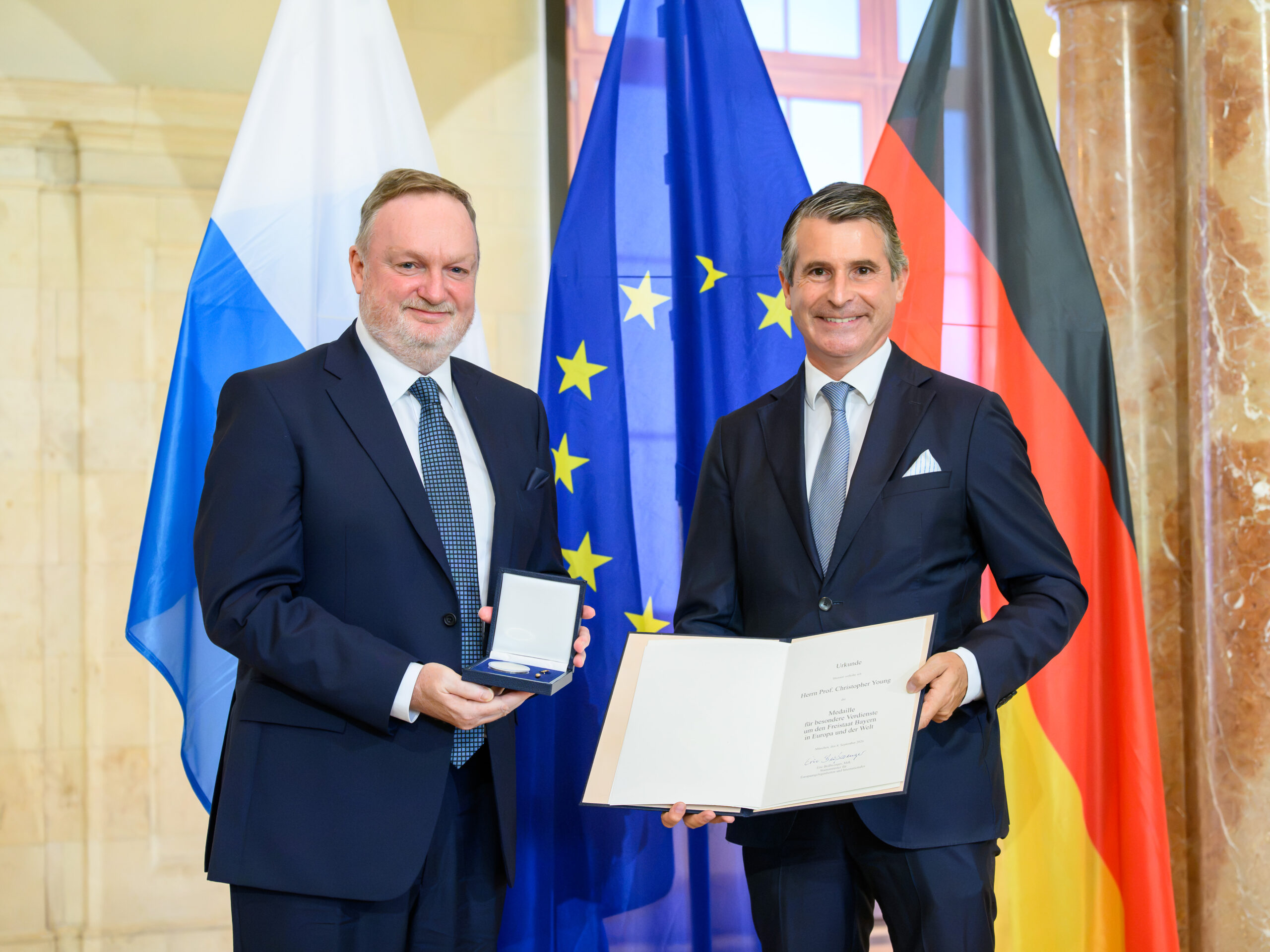
23 June 2026
Dr Angela Merkel visits St Edmund’s
The former Chancellor of the Federal Republic of Germany was hosted by the College whilst she received her honorary degree from the University.
Read more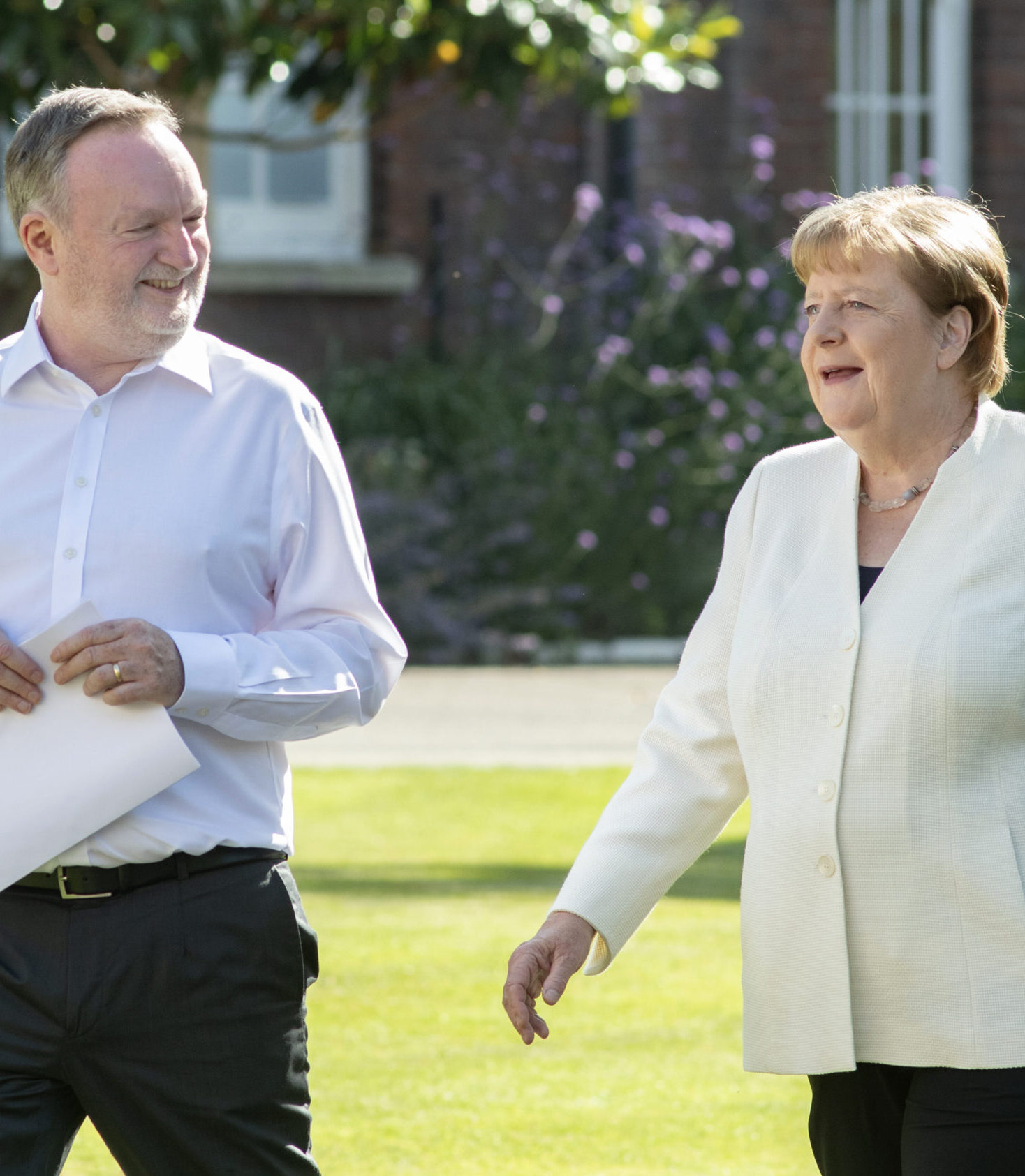
September 2025
Alumnus, Douwe de Graaf (2024) wins Gold at the World Rowing Championships in Shanghai.
Racing as part of Great Britain’s coxless four, de Graaf and his teammates clinched gold in a thrilling final, clocking a time of 5:48.48.
Read more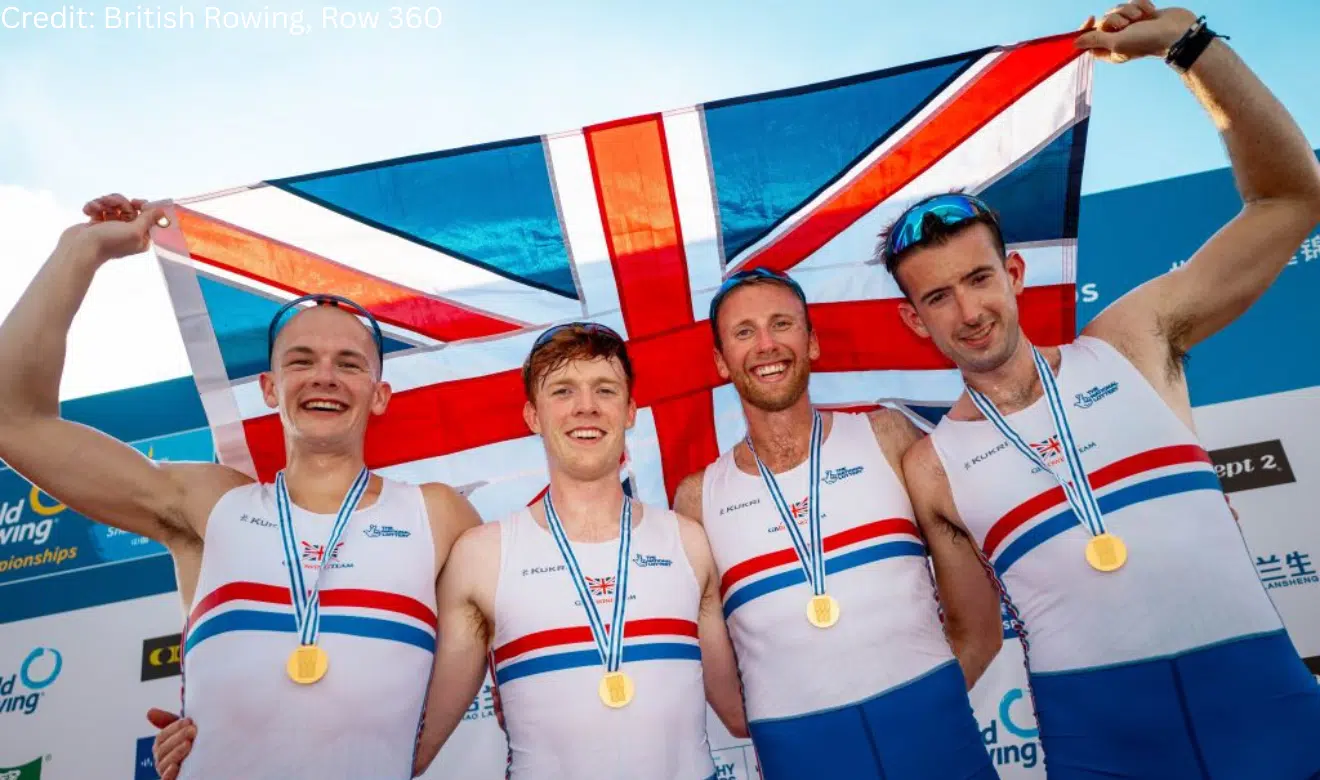
1 October 2024
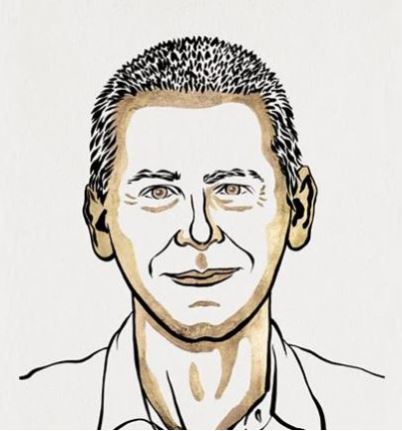
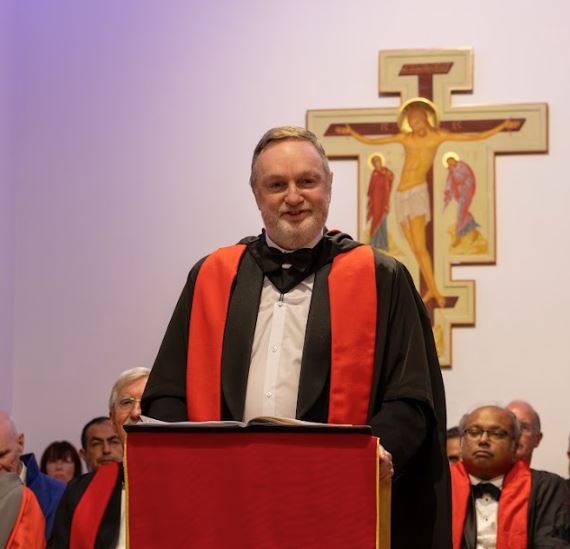
The inauguration of our current Master, Professor Chris Young took place on the 1 October 2024.
June 2022
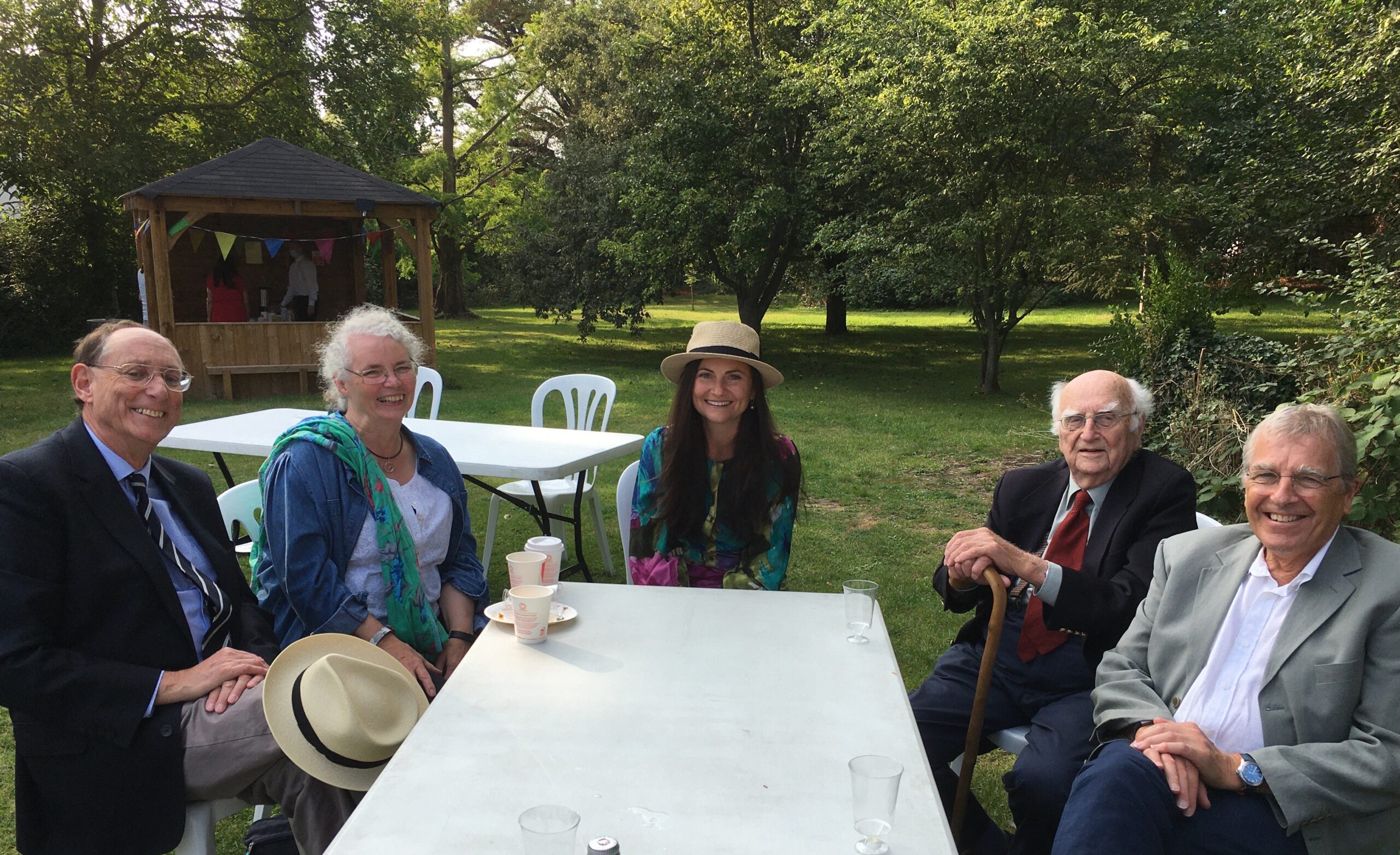
The Annual Garden Party
Featuring Paul Luzio (former Master), Professor Helen Mason OBE (former Senior Tutor), Catherine Arnold (Master 2019-2024), Tony Palmer (former Senior Tutor), Mike Herrtage (former Senior Tutor)
20 May 2021
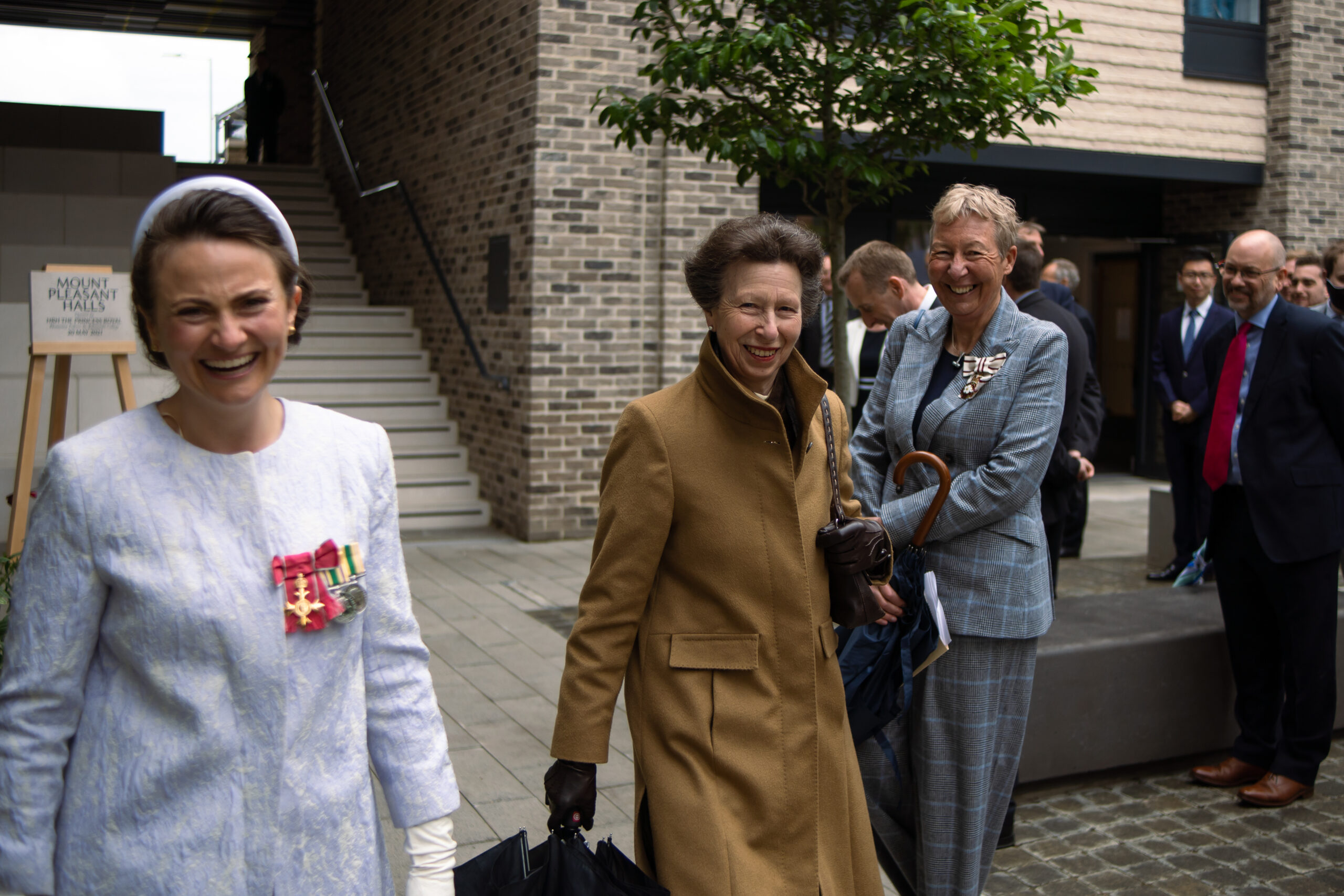
HRH the Princess Royal formally opened our award-winning accommodation block, Mount Pleasant Halls.
2019
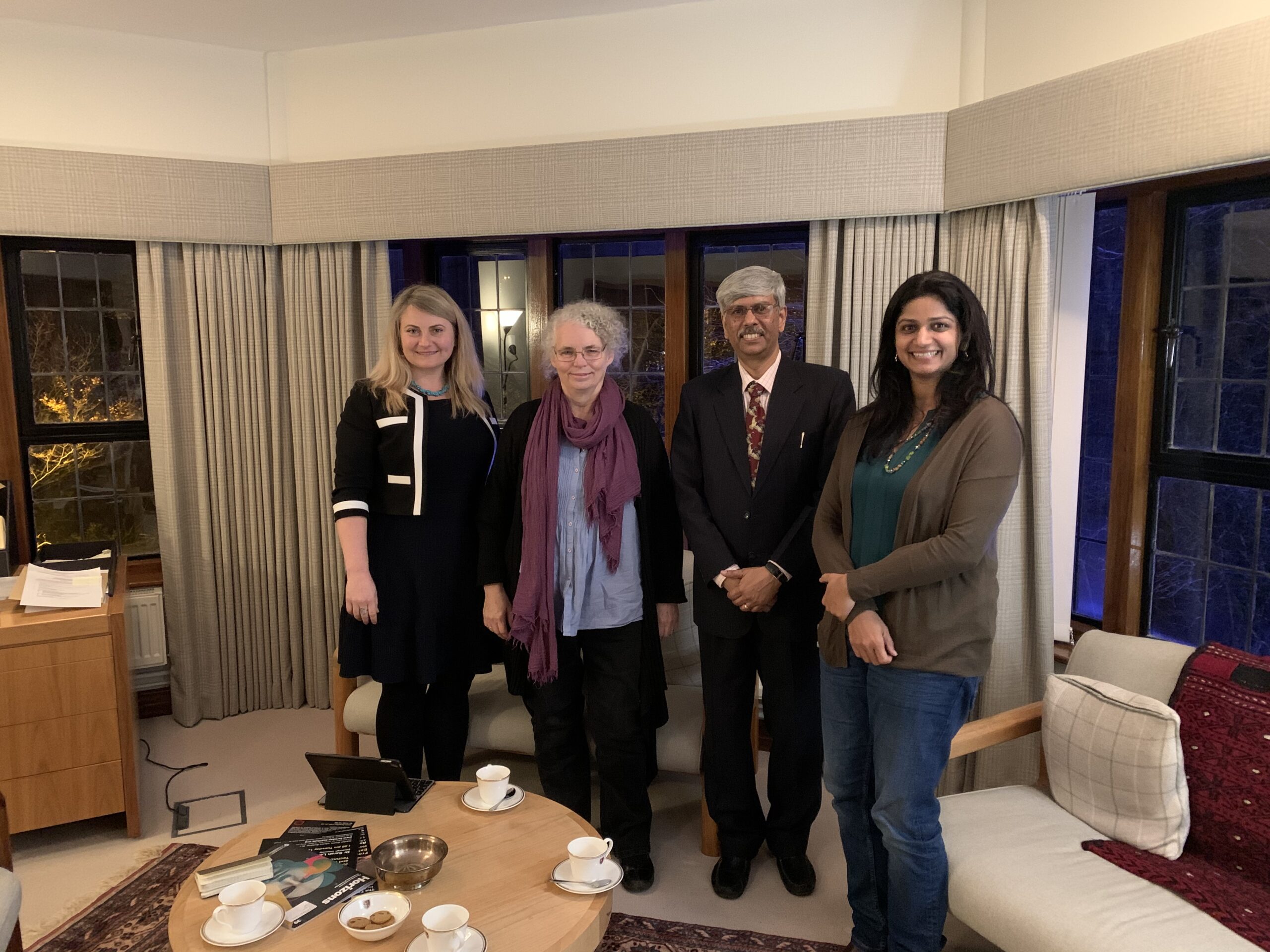
Dr Arabinda Mitra (Scientific Secretary in the Office of the Principal Scientific Adviser to the Government of India) welcomed to College by former Master Catherine Arnold and Life Fellow, Professor Helen Mason.
Also pictured, former Fellow, (and Counsellor at High Commission of India in London) Dr Gita Yadav.
30 Years
since becoming a fully fledged Cambridge College.
Three decades after becoming a fully fledged Cambridge College, St Edmund's continues to build on its rich heritage, embracing academic excellence while shaping future generations.
Discover this milestone
3 October 2014
The inauguration of Matthew Bullock took place (Master: 2014 to 2019)
2010s
2010s
8 October 2007
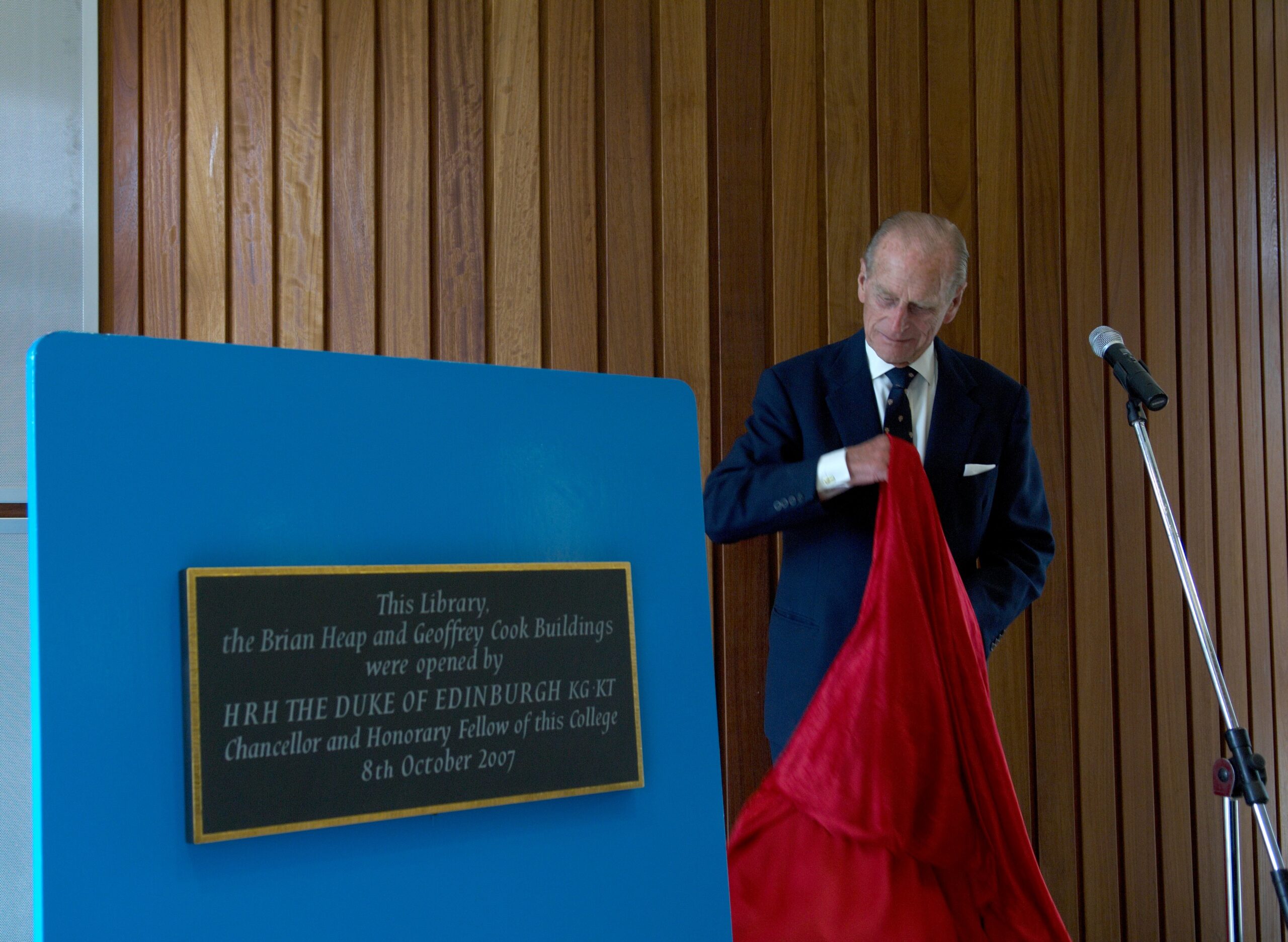
The Brian Heap Building, the Geoffrey Cook Building, and a facilities building including a library and multi-purpose meeting room, were opened by His Royal Highness the Duke of Edinburgh on this day.
2000s
2000s
22 April 1998
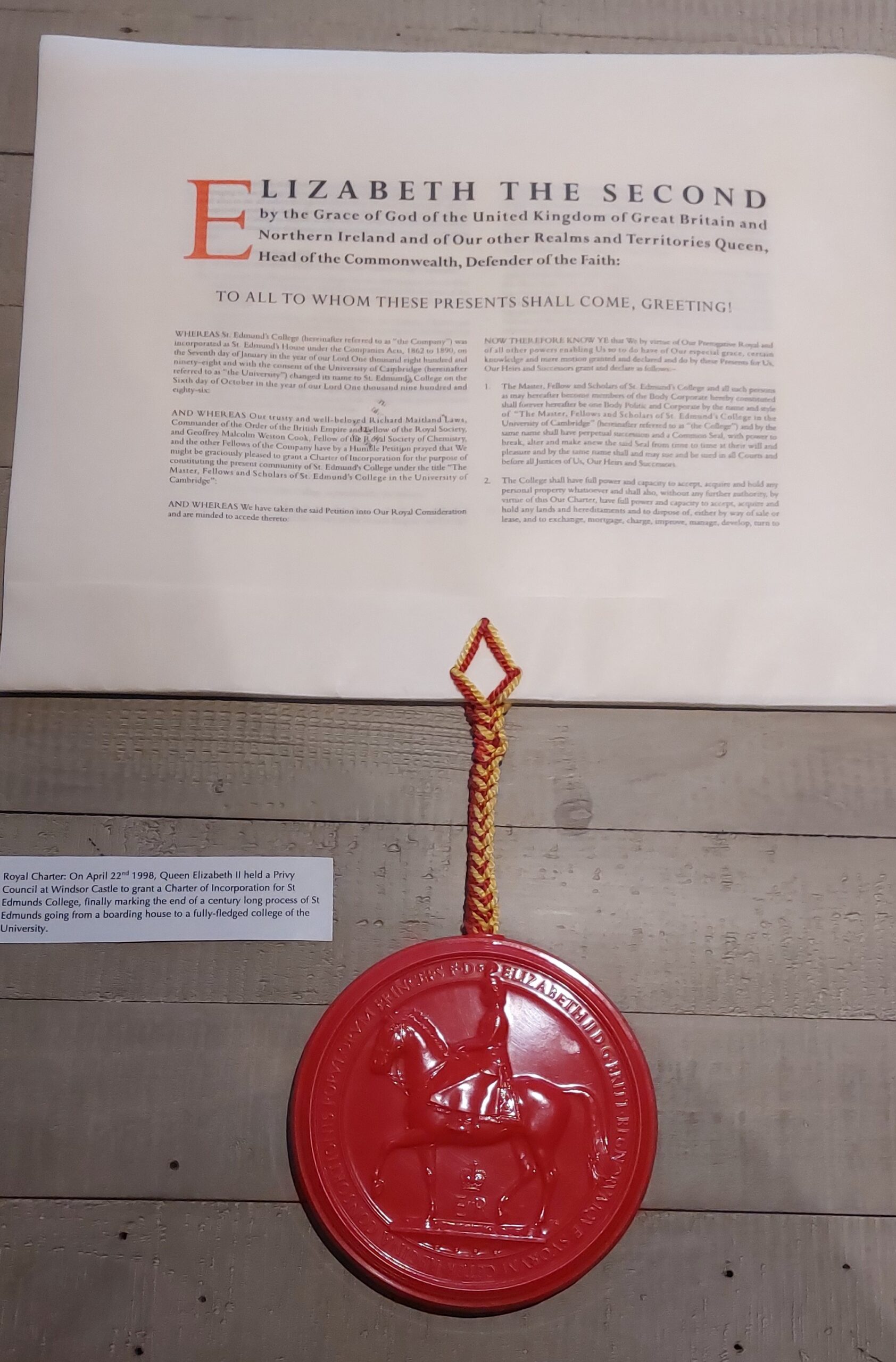
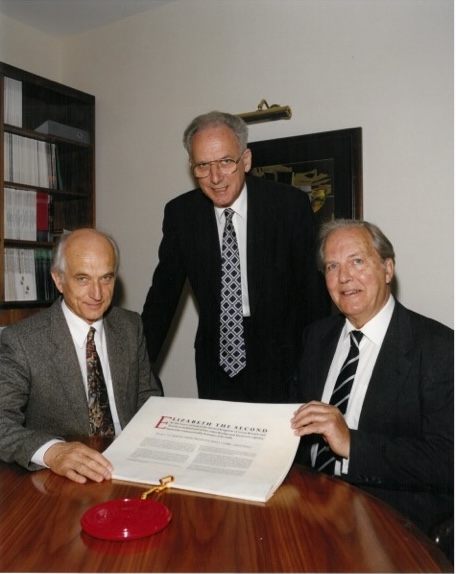
The College petitioned the Privy Council for a Royal Charter, which was granted by the late Queen Elizabeth II.
Don't Look Back in Anger: the class of 1996
Read more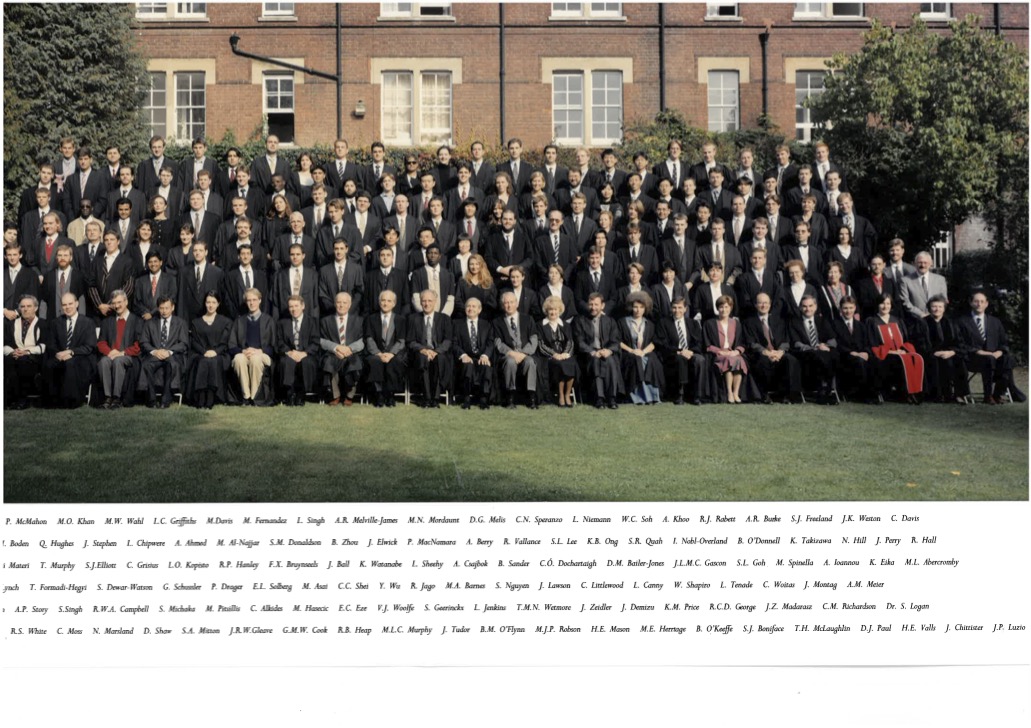
10 October 1996
Inauguration of Professor Brian Heap, former Master.
25 June 1996
Prince Philip’s visit to College during St Edmund's centenary year, for the unveiling of a commemorative plaque.
April 1996
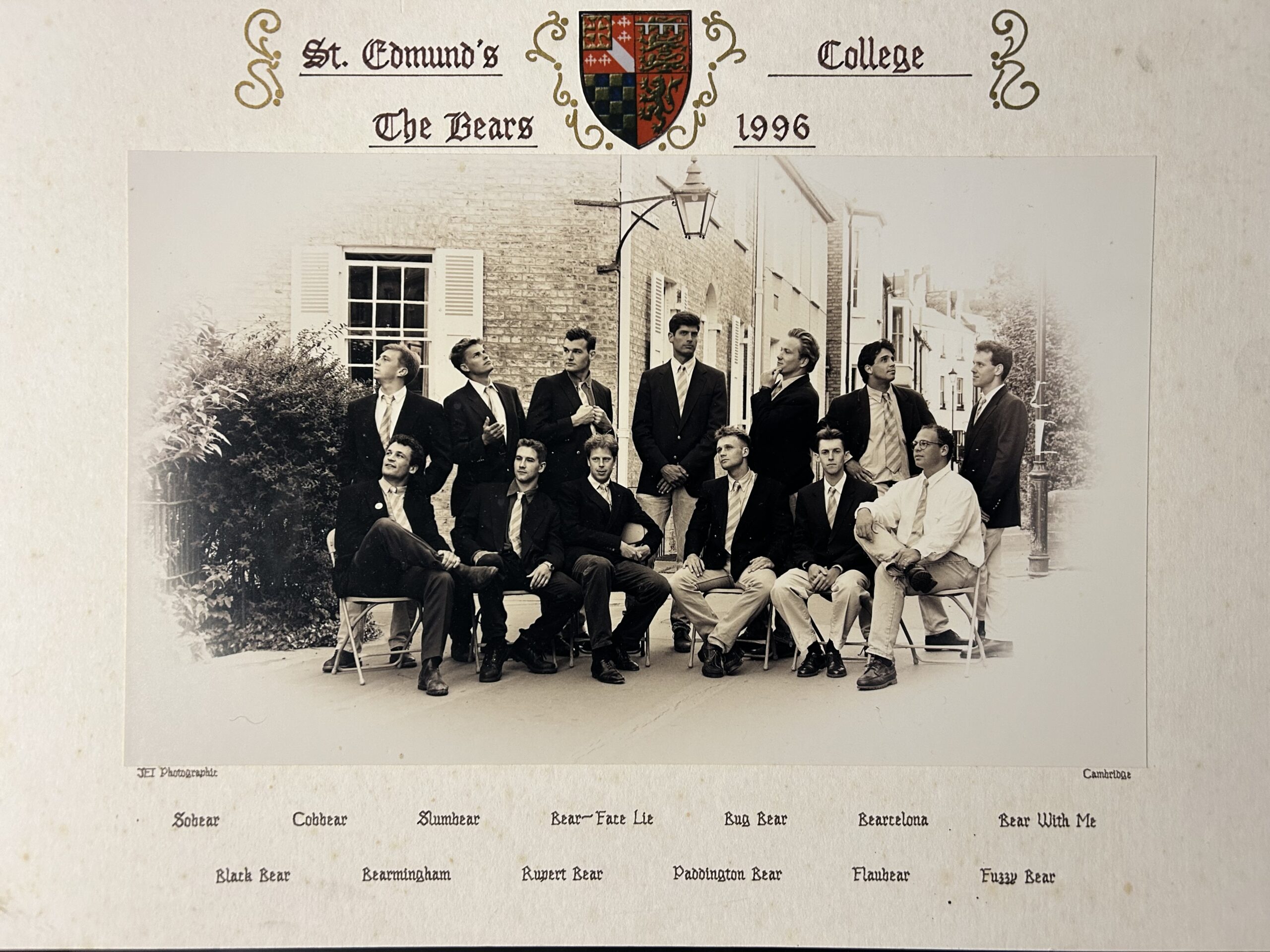
The Bears, a former St Edmund's College tradition.
22 March 1996
Change in status from Approved Foundation to full College of the University came into force on this date.
19 February 1996
Council of the Senate of Cambridge University signed a report in support of the recognition of St Edmund's as a full College of the University.
30 April 1993
The Okinaga Room was opened by the Right Honourable Betty Boothroyd, MP Speaker of the House of Commons, the Master, Richard Laws, and Dr Schoichi Okinaga, the President of Teikyo University in Japan who established the Teikyo Foundation.
The Teikyo Foundation donated £1.5 million to St Edmund's, which funded the building of the College's tower.
1990s
1990s
17 April 1989
The Most Reverend Desmond Mpilo Tutu, Archbishop of Cape Town, sitting in church, presumably in Great St Mary's, Cambridge, for the Von Hügel Lecture delivered by him.
19 January 1989
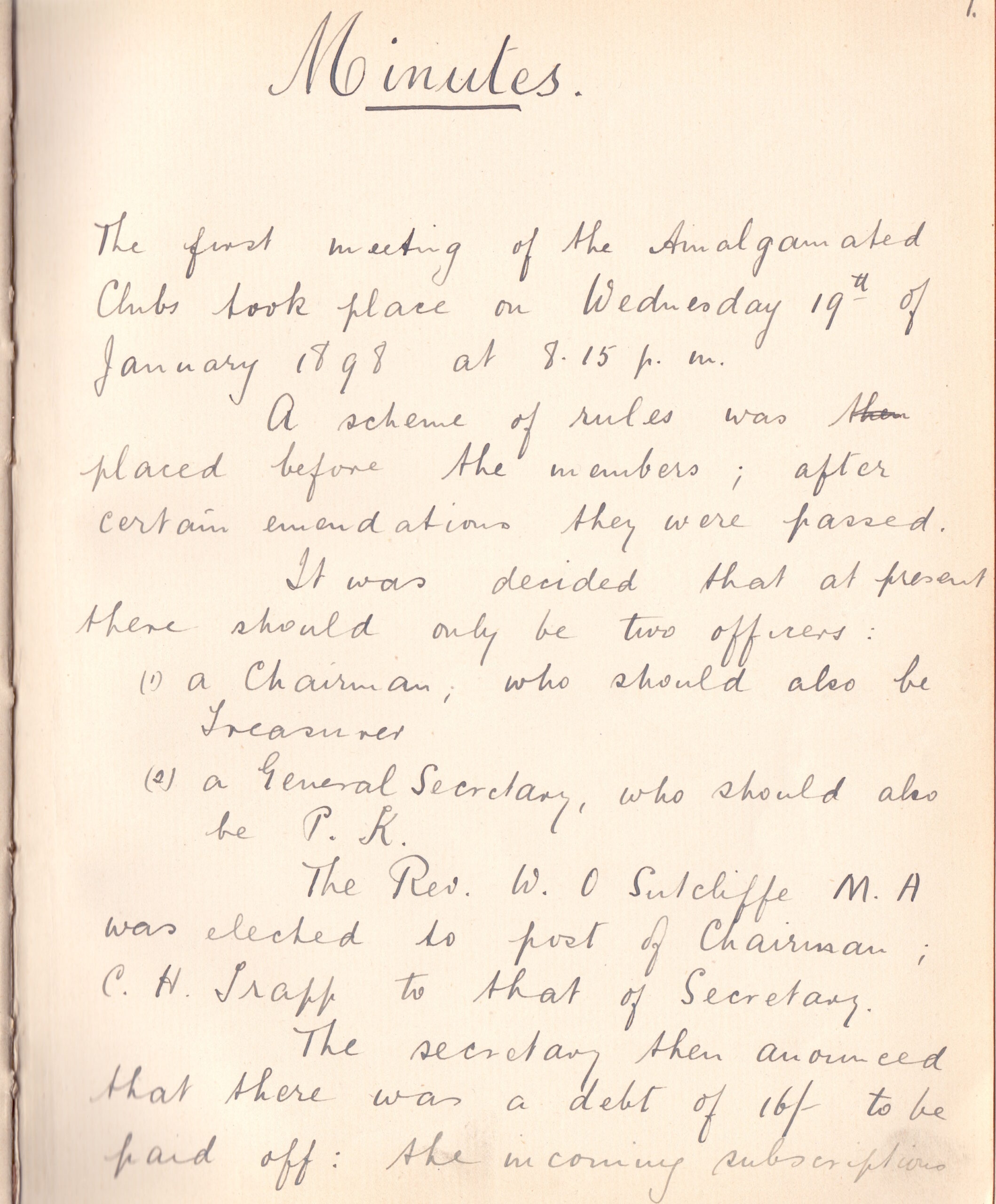
First meeting of the Amalgamation Club.
12 June 1987
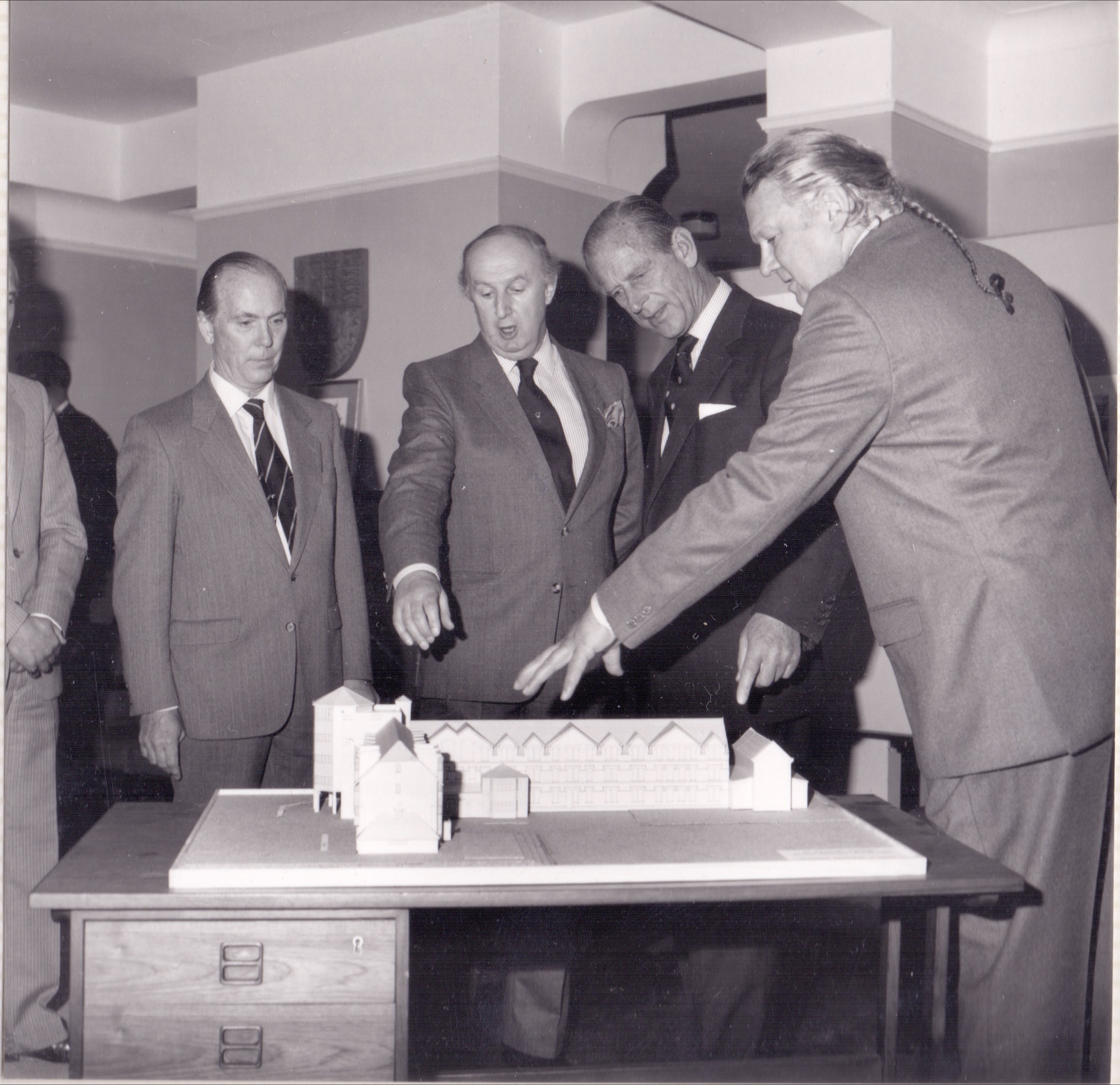
The Duke of Edinburgh visits to view plans and an architectural model of the Tower.
29 October 1987
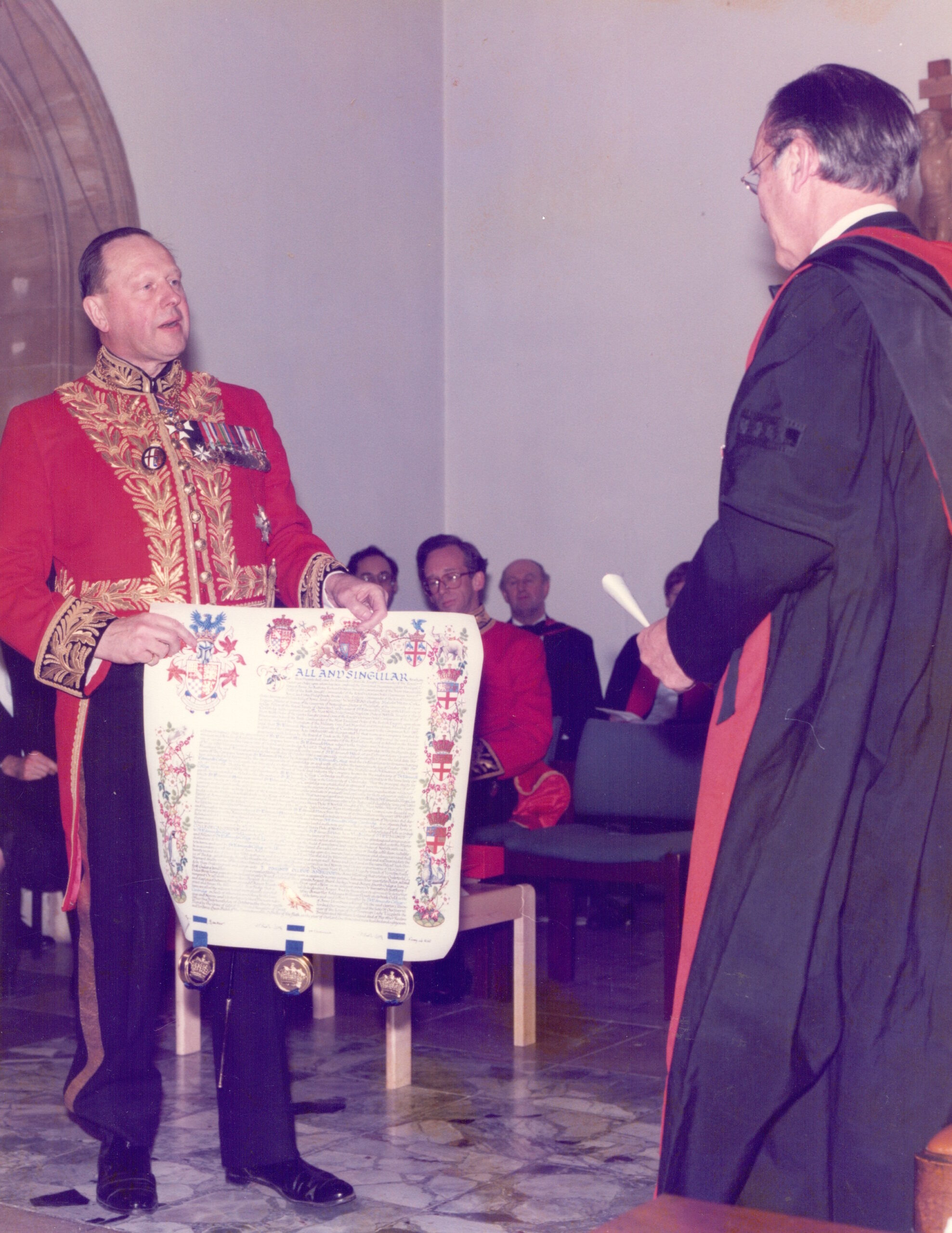
Presentation of the College’s Letters Patent in the College Chapel
"As Vice-Master I was charged with meeting with the College of Arms to see if the Duke of Norfolk, who is the Earl Marshal, would allow us to have a modified set of arms and he was very helpful. The presentation of the letters patent took place in the College chapel in the presence of the Duke of Norfolk on 29th October 1987. The College also had a small committee that was involved in looking for a Royal Charter - the long work involved was initially under the chairmanship of the then Master, Dr Richard Laws and finally the Charter was granted by Her Majesty Queen Elizabeth the Second following some details which Sir Brian Heap, who followed Dr Laws as the next Master, provided for the Privy Council." Rev Dr Geoffrey Cook (Life Fellow and Former Vice-Master)
6 October 1986
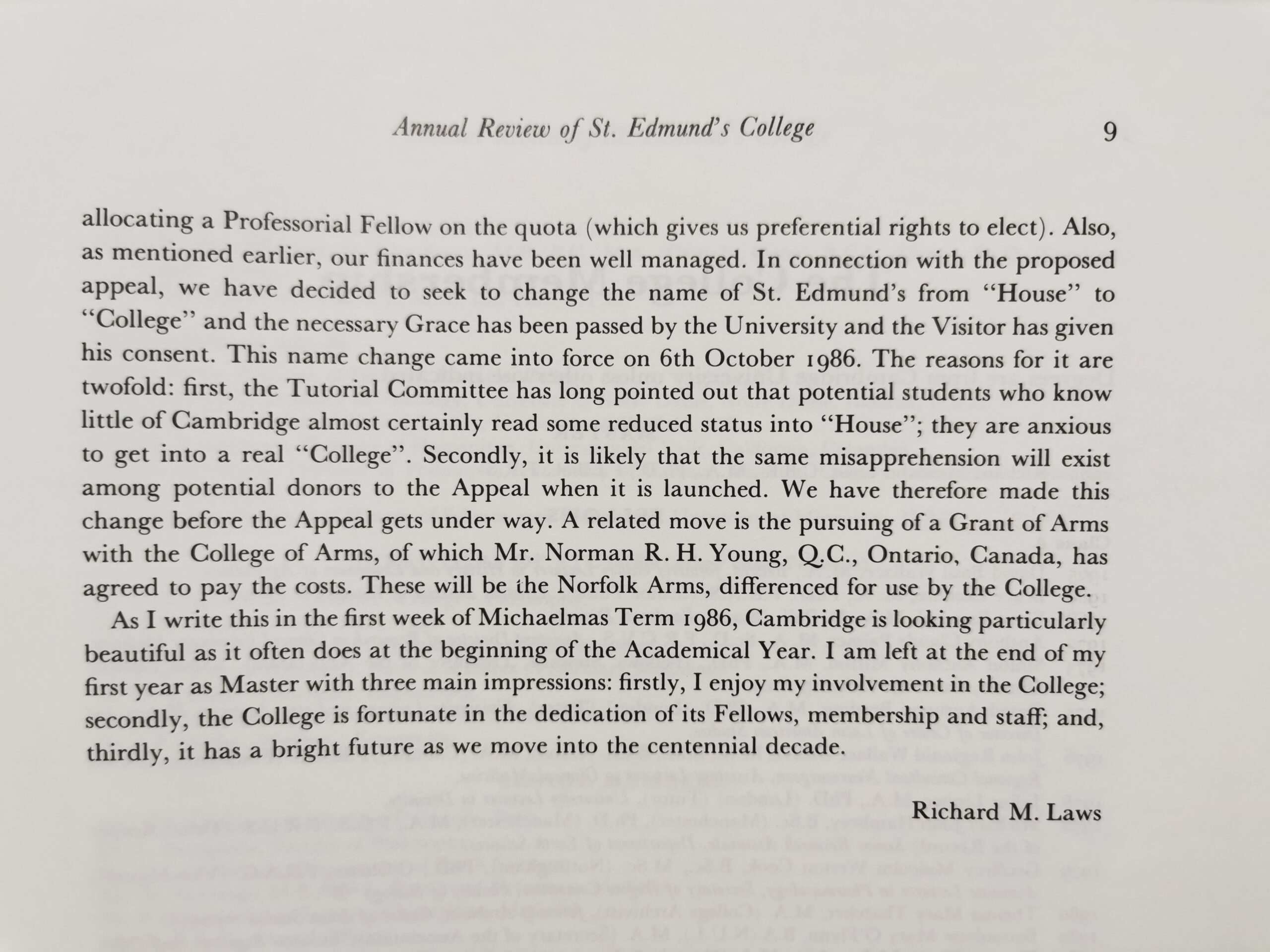
Name change takes place from St Edmund's House to St Edmund's College.
21 January 1985
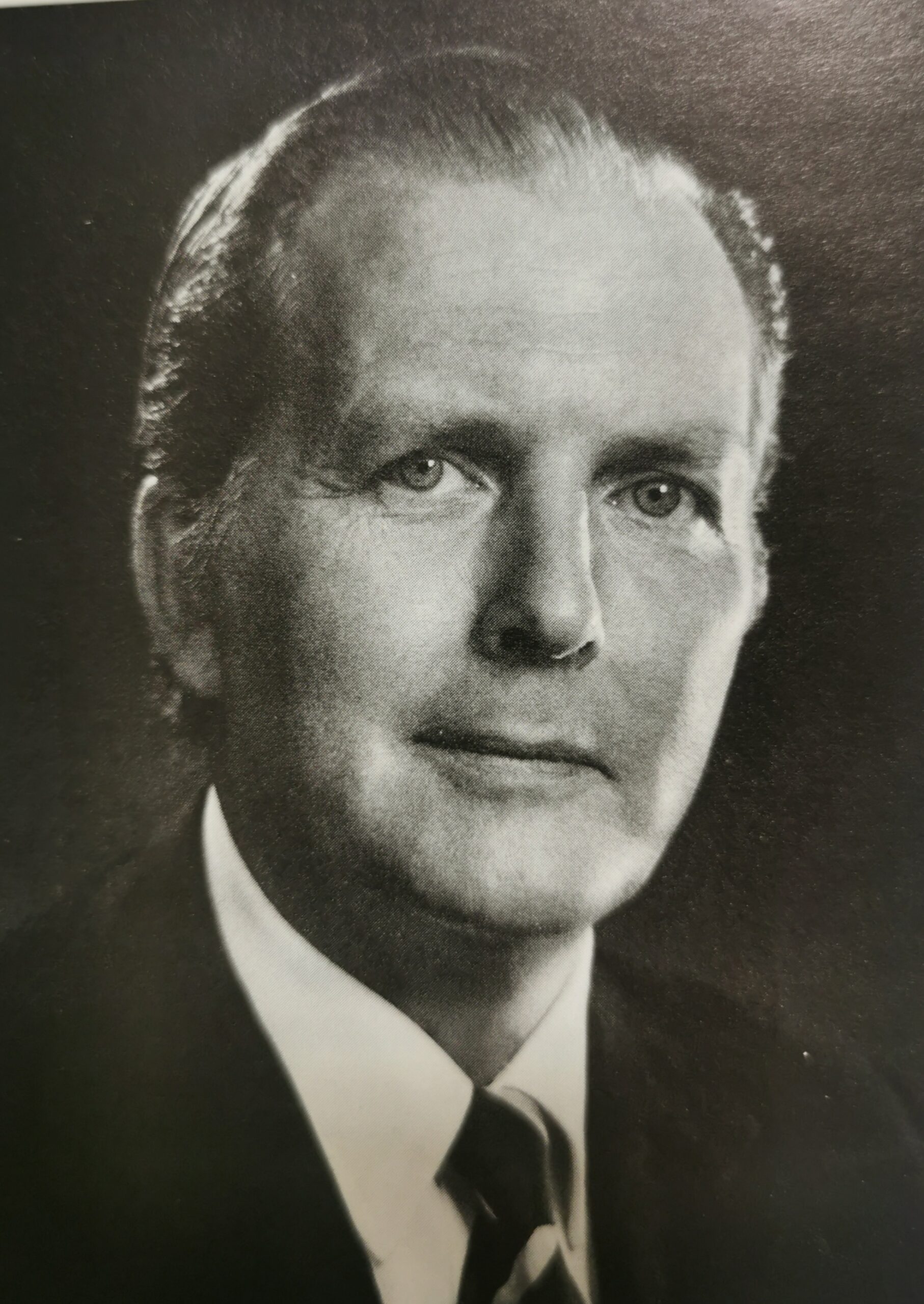
The election of Richard Laws as Master. He was the first Master not in holy orders. Some were not happy with his election. This is due to tension arising between academic distinction on one side and Christian commitment on the other. The decision to favour academic distinction led to the resignation of a few Fellows.
30 June 1984
The old Association was dissolved and replaced by a new governing body of Fellows and St Edmund's became a fully autonomous and self-regulating society.
October 1982
Author and alumnus Thomas Mallon (1982) was a student at St Edmund’s House in the early 1980s.
In June 2025, Knopf published The Very Heart of It: New York Diaries, 1983–1994, a collection of Mallon’s personal journals. The volume includes reflections on his time at St Edmund’s.
Read more
1980s
1980s
6 June 1977
Mother Teresa thanks Coventry for the hospitality she received at St Edmund's during her visit to Cambridge. She visited Cambridge in June 1977 to receive an honorary doctorate from the University
23 June 1976
Coventry elected Master.
His appointment was significant - although he was a clerk in holy orders, he was not a diocesan clergyman and was therefore not responsible to a Bishop
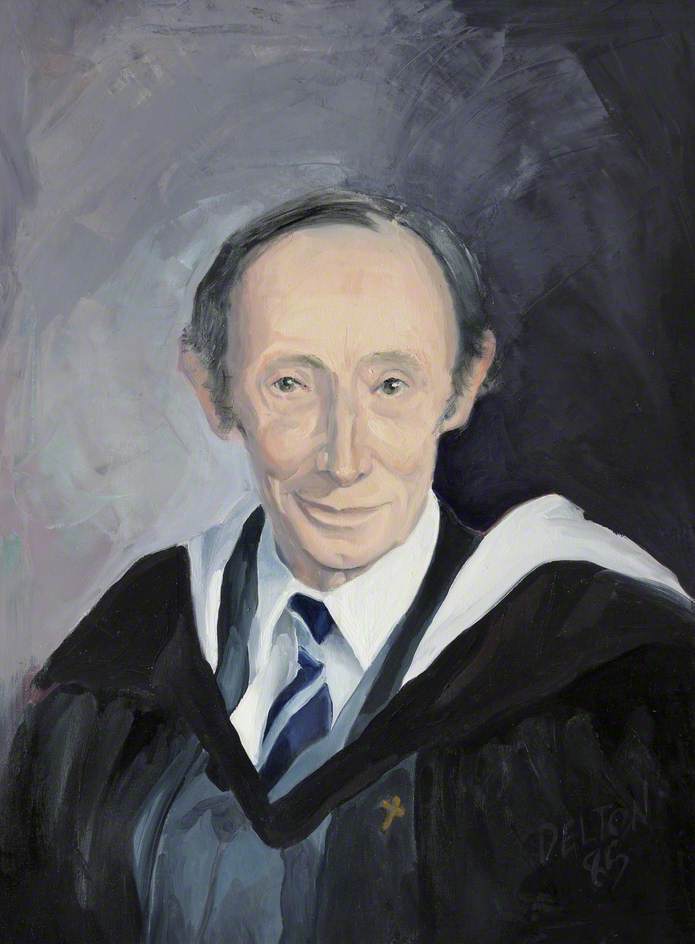
8 March 1975
St Edmund's became an Approved Foundation of the University.
This was an important step in securing a more permanent status and was one step closer to full collegiate status. As an approved foundation it would be easier to attract fellows and secure funding. The amendment of the Articles of Association, which allowed St Edmund's to apply for Approved Foundation status, occurred on 20 March 1973.
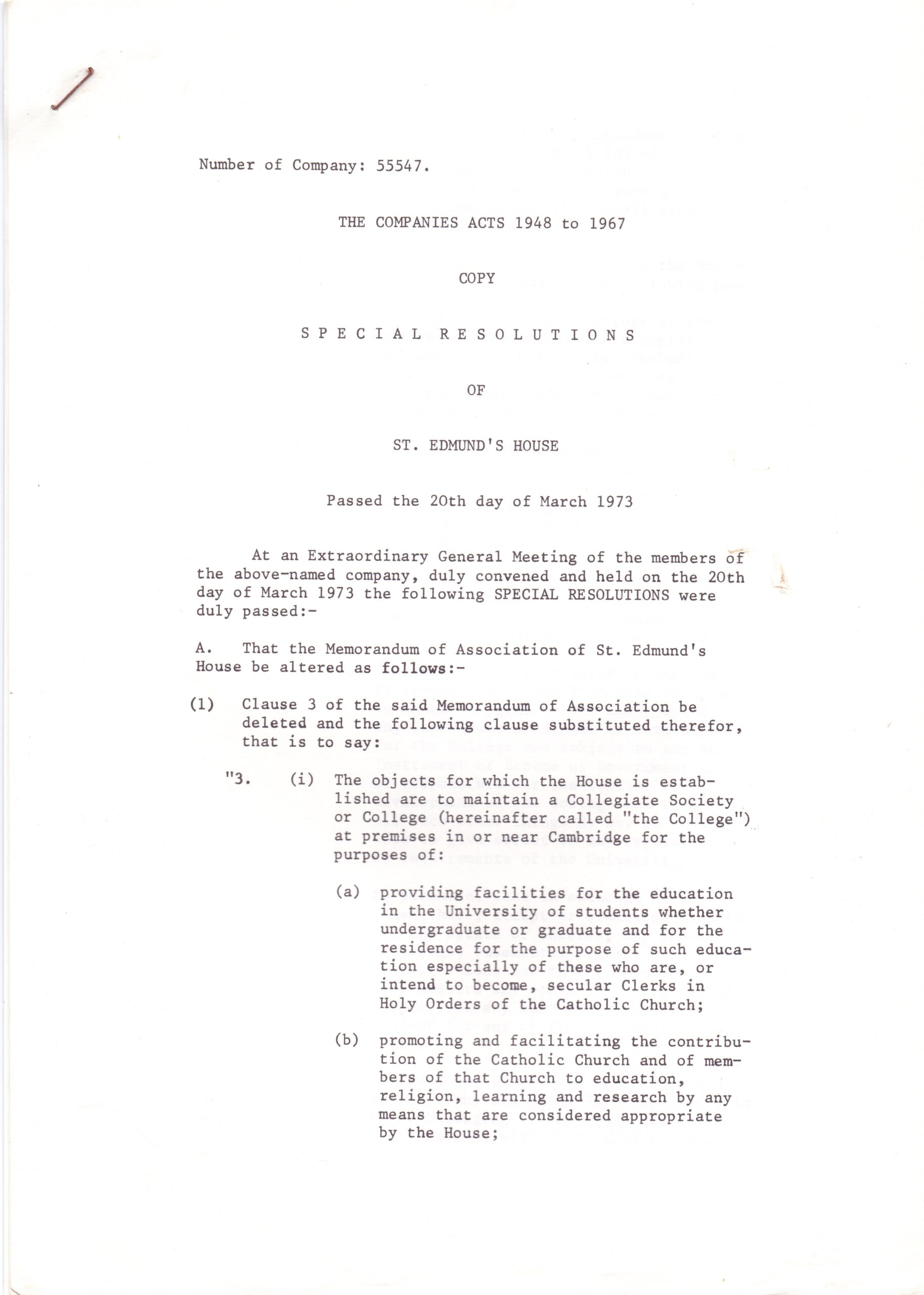
1 July 1974
The first of the maisonettes for married students were completed. The remaining units were completed 7 August 7. 6 maisonettes and 7 flats. The building was made possible by the sale of Nolan Cottage, some favourable loans with Catholics organisations, and the Goulden legacy. Married students were first accepted in 1968, and quickly became valuable members of the student body.
1970s
1970s
4 February 1968
Apostolic Delegate, Archbishop Hyginus Eugene Cardinale, decided to visit St Edmund's after a controversial article written by Charles Davis (a former priest) was published in Varsity.
November 1968
Association dissolved itself and handed over power to the Master and Fellows
11 December 1967
The Statutes for Fellowships was passed. Created the Fellows' Council.
21 October 1966
A report outlining the future of St Edmund's was accepted at the Association.
July 1966
First appointment of Dean
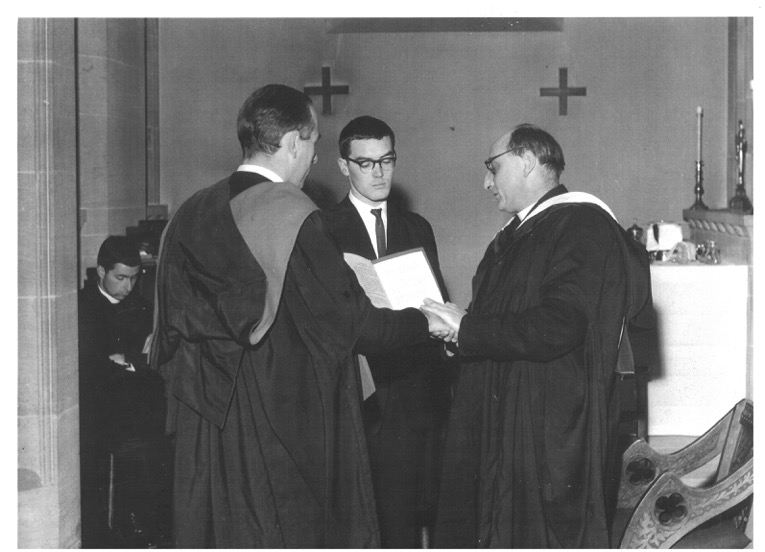
16 November 1965
Admission of first fellow. The first corporate act of the recently formed Approved Society of St Edmund's showing the admission of the first Fellow, Dr Michael Hoskin, by the Master Garret Daniel Sweeney.
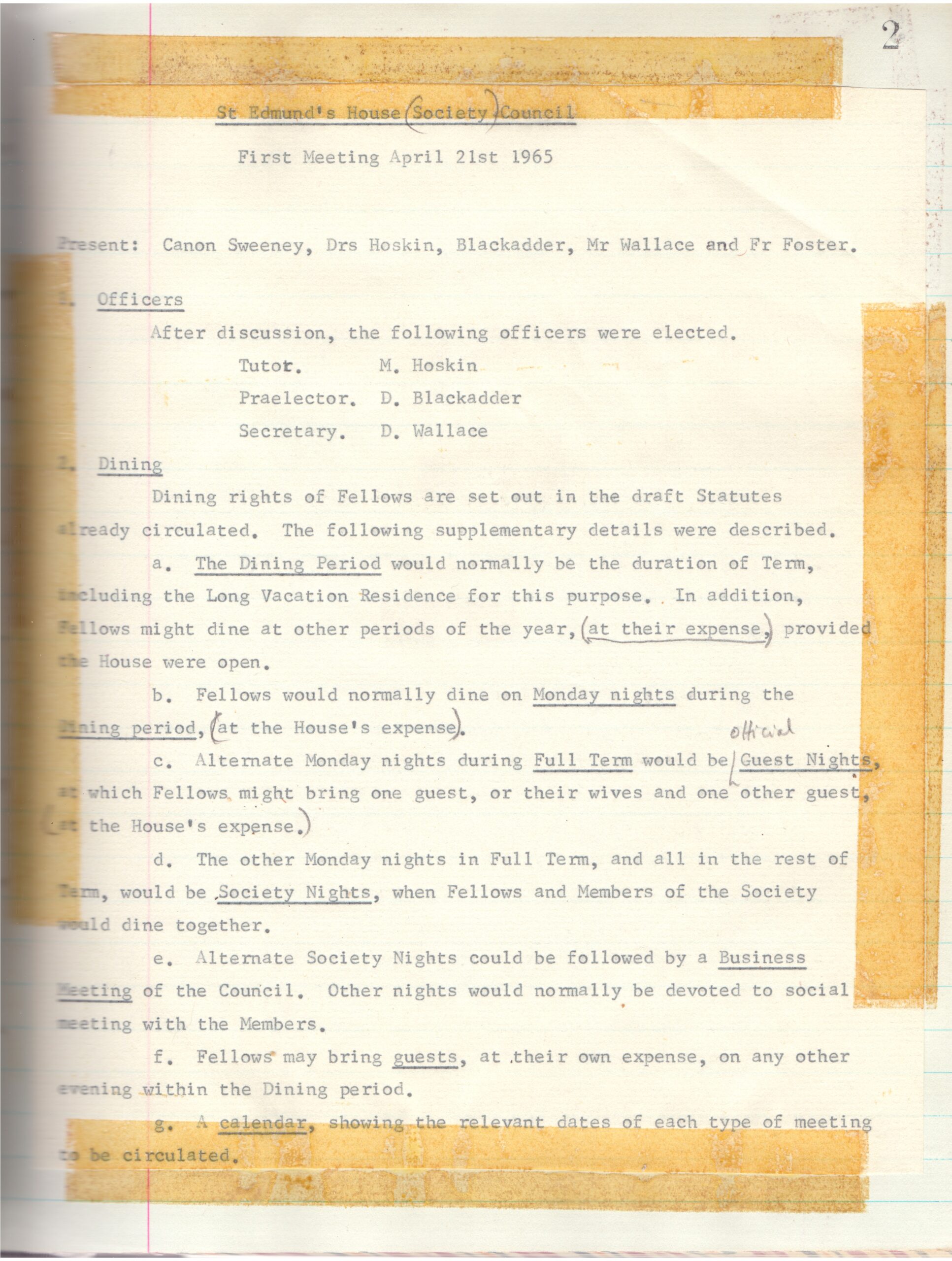
21 April 1965
First meeting of the newly elected Fellowship and creation of the Fellows Council.
22 March 1965
Election of the first four Fellows to the House (4 teaching officers of the University).
29 January 1965
The Queen approved the amendments to Statute H allowing St Edmund's College to become an approved society.
12 December 1964
The University grace that envisioned a new type of institution within the University, the approved society, was passed on this date. St Edmund's House was one of the first in line to apply for the new status. Becoming an approved society allowed St Edmund's to matriculate and present postgraduate students for degrees, while still remaining a House of Residence for its undergraduates. Approved society status also necessitated the election of St Edmund's first fellows. There were 4 in the beginning.
17 August 1964
Garret Sweeney elected as 9th Master
Expansion
1950s
18 June 1946
Raymond Corboy elected as 8th Master
17 July 1946
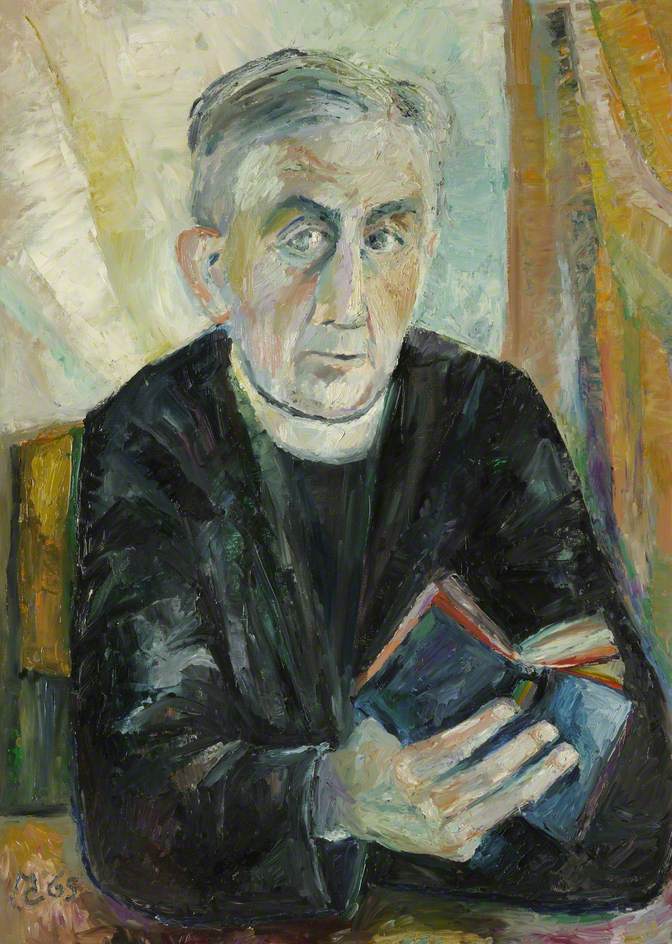
Election of Raymond Corboy as 8th Master. His mastership was unusually free of the normal anxieties over money. Instead of relying on donations, he invested wisely and made the most of the space available, filling every corner of the college with students during term time and guests out of term. He was able to finance major buildings works, and by 1962 was able to declare the House debt free. His mastership also brought on the de-clericalisation of the College, bringing the consistent residence of laymen in the House.
8 November 1945
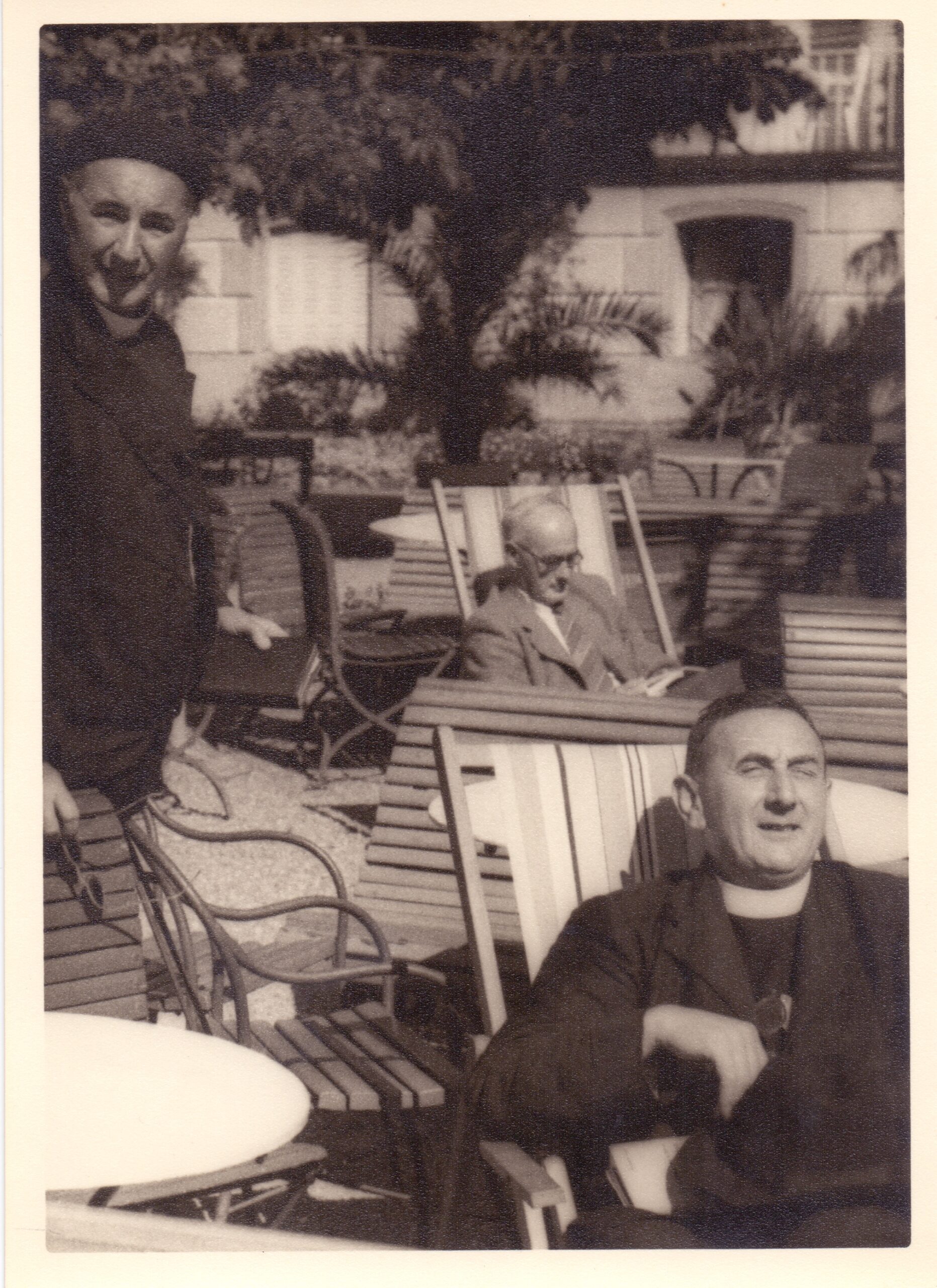
Assumed completion of further building work with extensions of the combination room to the north link it up to the new dining hall.
27 April 1940
Assumed completion of additional building wing with dining hall and additional rooms.
1940s
1940s
28 July 1937
Completion of extension of building with new library, new kitchens, rooms offices etc.
21 August 1934
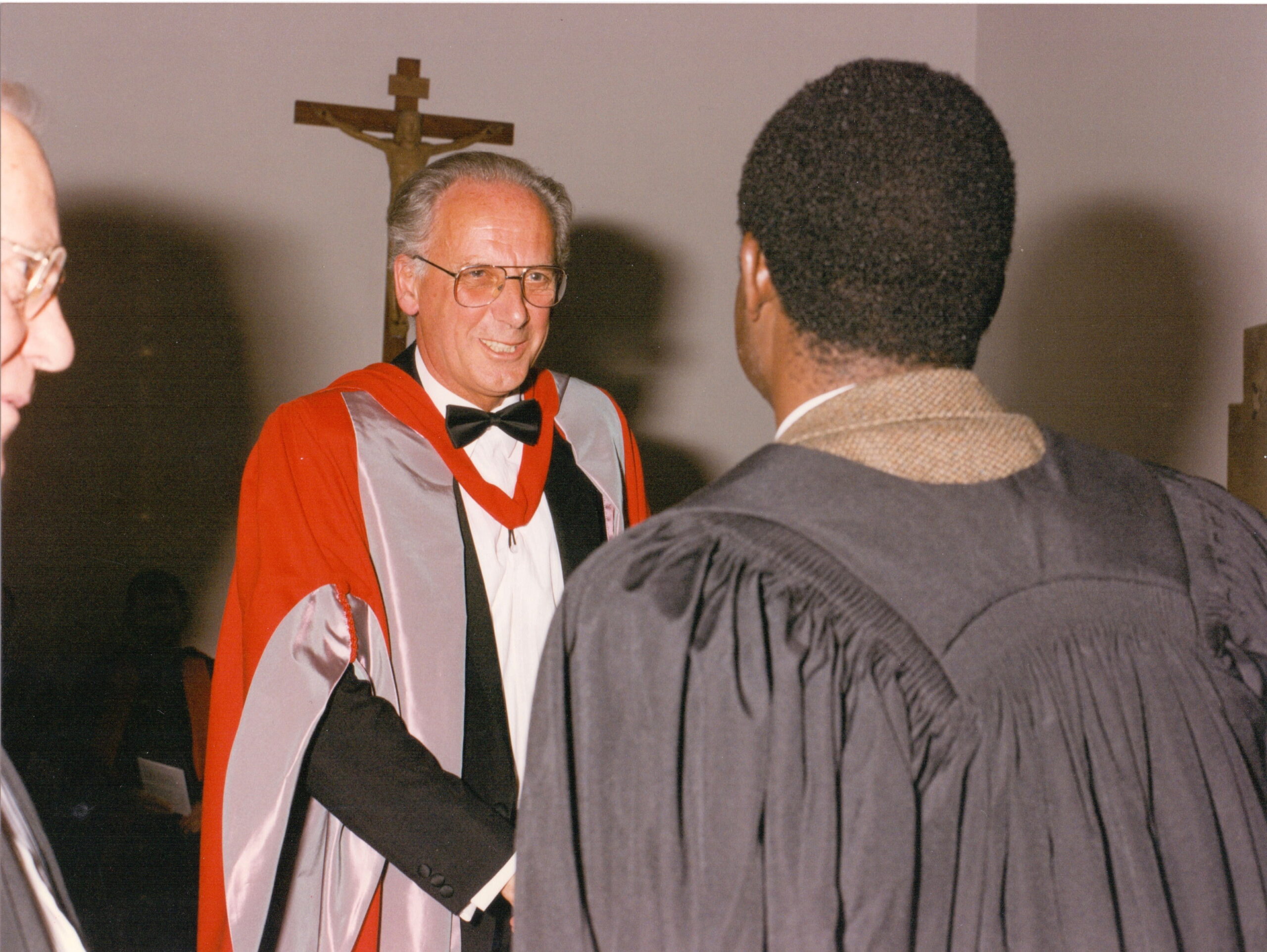
John Edward Petit elected as 7th Master. His mastership was marked by the introduction of mandatory system of secondary education which aided the surplus of students to the House. Particularly noteworthy are the rise in English secular priests. His fundraising and extension of various buildings marked his mastership with a wider vision for the House in the future.
Read more1930s
1930s
23 June 1929
Thomas Cuthbert Leighton Williams, the third Master of St Edmund's and its youngest ever Master, was elected at just 32 in 1909. Following the construction of the College Chapel, he felt called to support the war effort, serving as chaplain to several military hospitals from 1916. He resigned as Master in 1918 to become a chaplain to the Armed Forces on active service.
15 August 1928
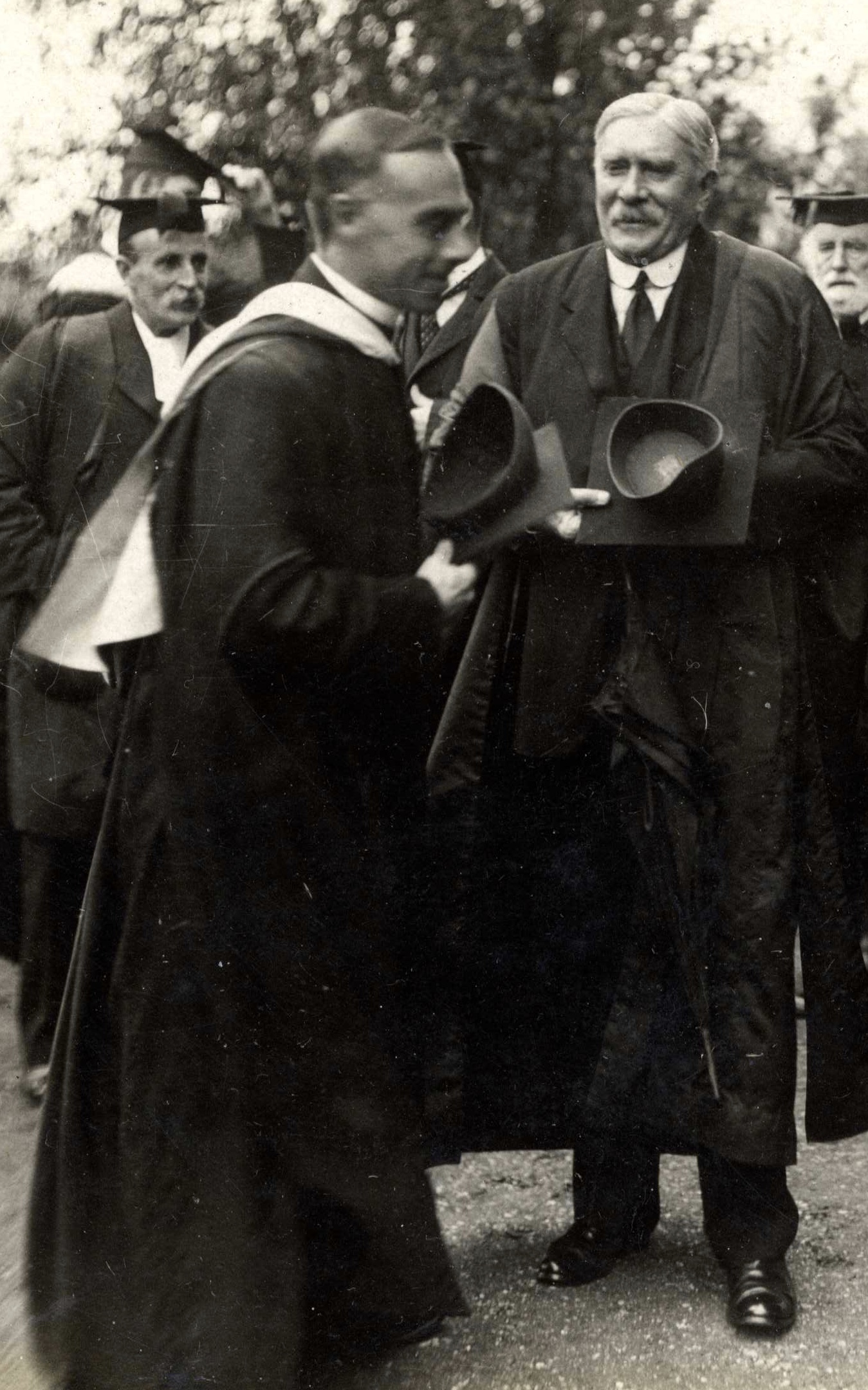
Death of Anatole Von Hügel
3 April 1923
St Edmund's House Society founded.
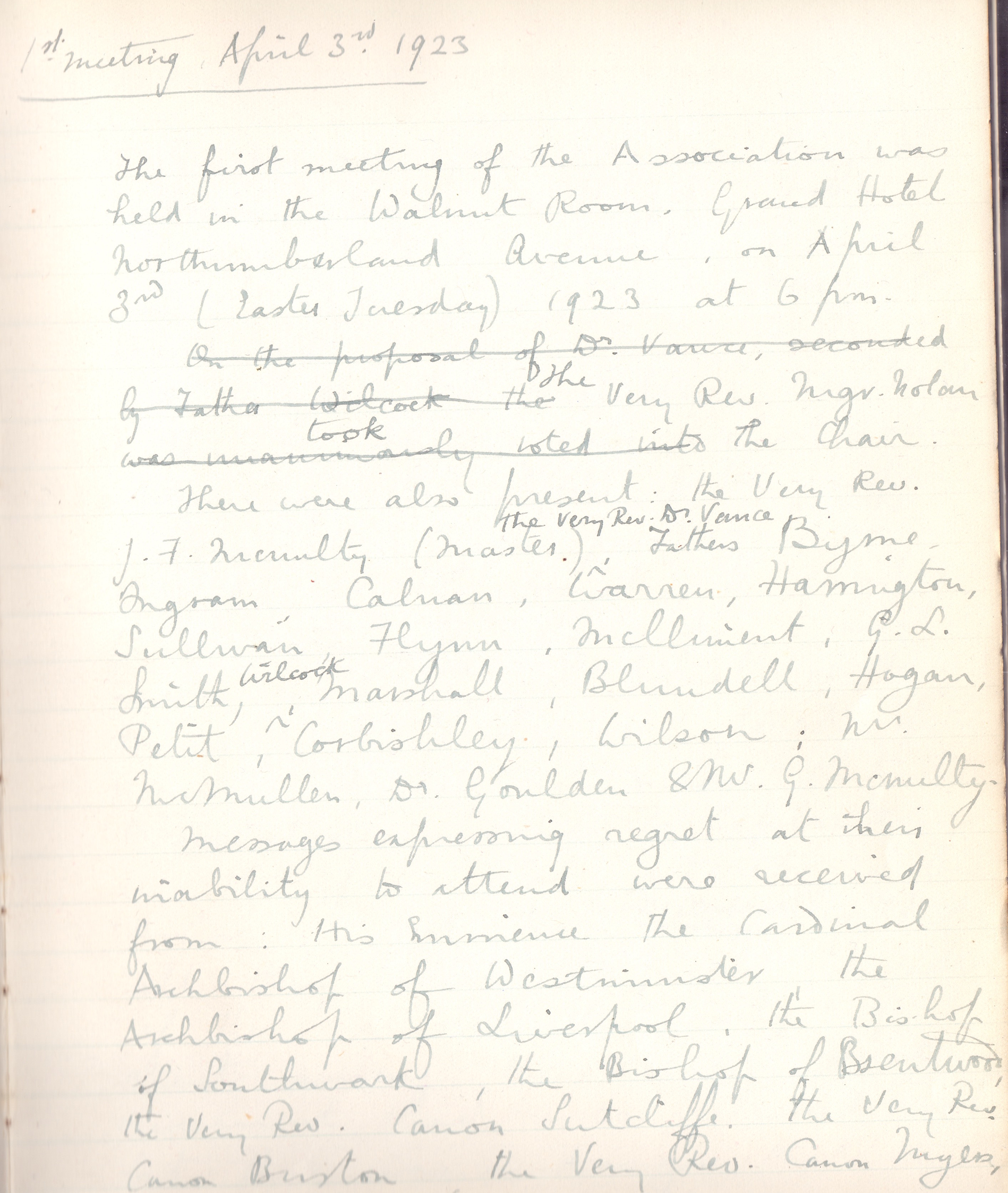
23 May 1922
1st Meeting of Finance Committee being erected in 1921
8 April 1921
Election of 5th Master John Francis McNulty. His mastership was marked by various efforts such as the establishment of a finance committee and wills of former affiliated people which left the College which a better financial standing. This was also helped by the University finally instituting a PhD, which was especially attractive to the American Jesuits. Contact was sought for raising funds over in the Atlantic which led to an influx of Americans in the House.
Our goals
1920s
22 July 1918
Governing Body considers closure due to war, but was agreed to remain open.
11 June 1918
Joseph Whitfield elected 4th Master. He had a record of service, receiving commission as Chaplain 4th Class (Temporary) to the Land Forces on 29 August 1914 with him being rewarded a D.S.O. on 8 March 1918
11 February 1917
Death of Henry Fitzalan-Howard, 15th Duke of Norfolk, co-founder of St Edmund's.
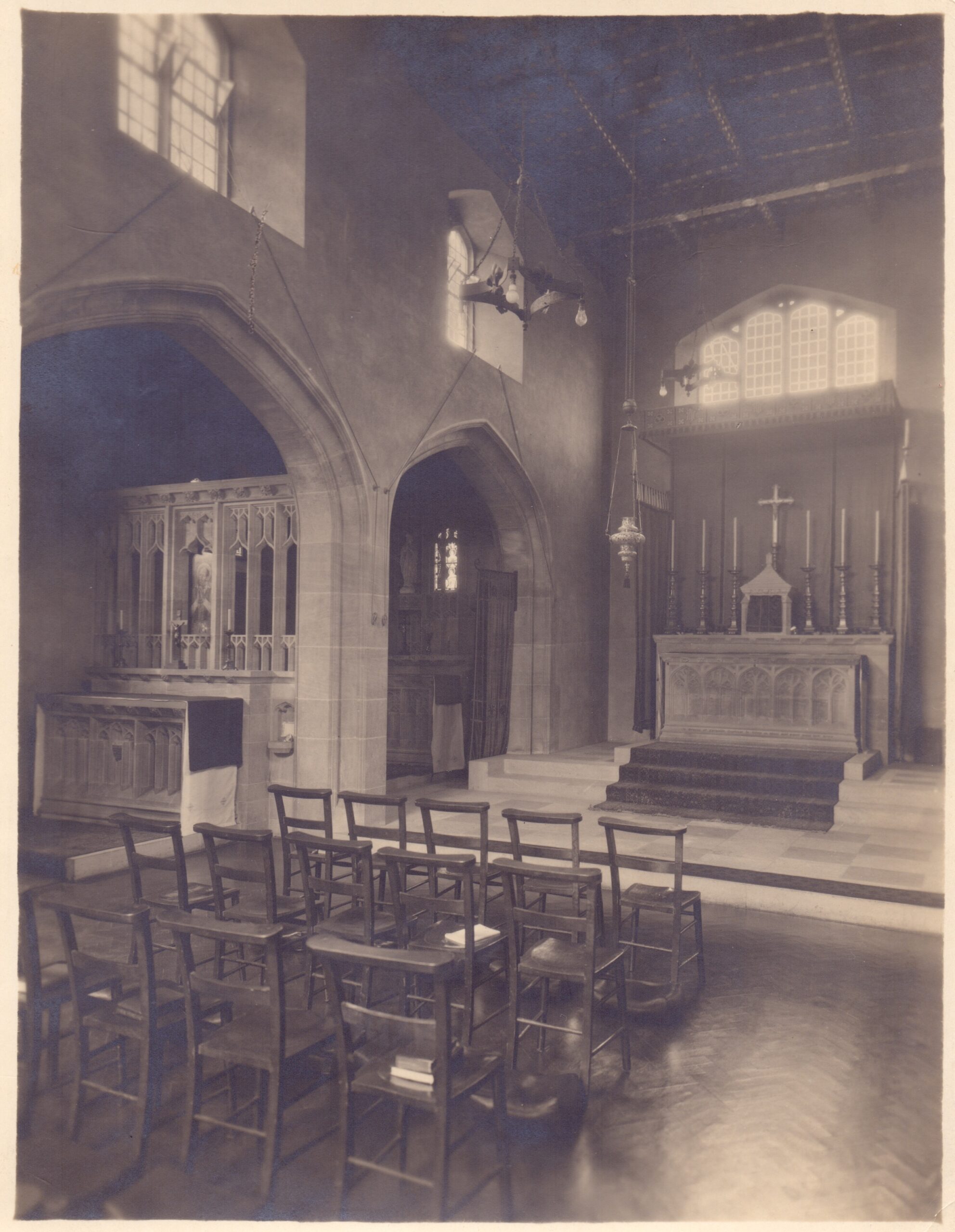
16 October 1916
The Chapel was opened and blessed.
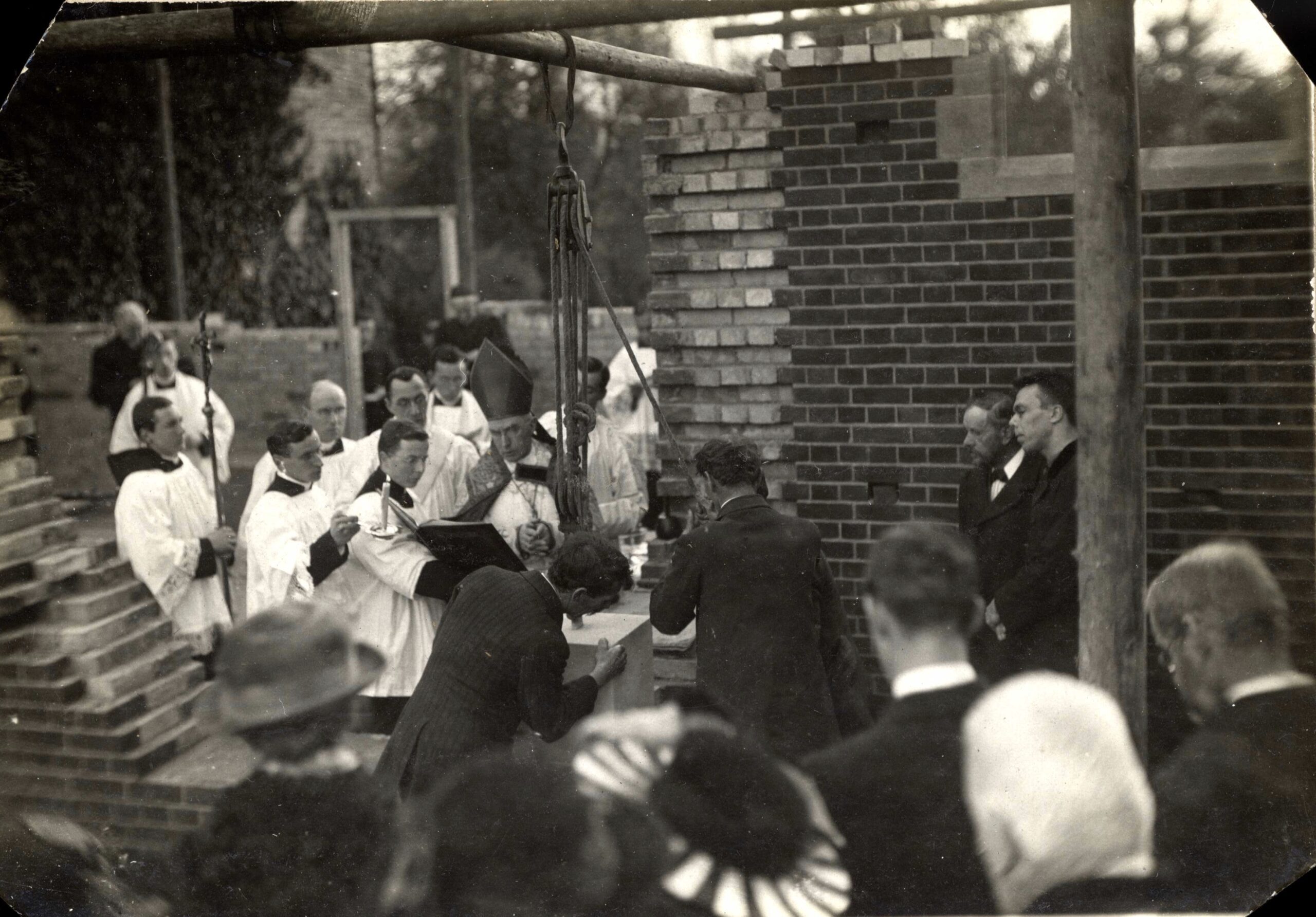
11 May 1915
Decision to begin building the College Chapel agreed at Governing Body. Designs were commissioned by Fr Benedict Williamson, who was also an architect. The idea of building the Chapel came after a surprise donation by Miss Sperling in 1910 for the purposes of building a Chapel.
12 July 1913
William Prior, the gardener, attacked one of the housekeepers. He gave himself up to the police to be admitted to Fulbourn Hospital.
17 January 1910
Decision made to admit the first laymen to St Edmund's. Not enough priests were being sent to meet the financial needs of the House. Although the admission of laymen did not initially make much of an impact. One layman was admitted in October 1911 and another in January 1911.
11 May 1909
Thomas Cuthbert Leighton Williams, elected the youngest-ever 3rd Master of St Edmund's at 32, resigned in 1918 to serve as a military chaplain during the First World War. He later became Archbishop of Birmingham in 1929.
Read more16 October 1908
Foundation of the Literary Club. The club was established for the purpose of hearing and discussing papers and holding an occasional symposium. It began life as The Literary Club but appears to have come to be known as The Thirteen Club in 1912.
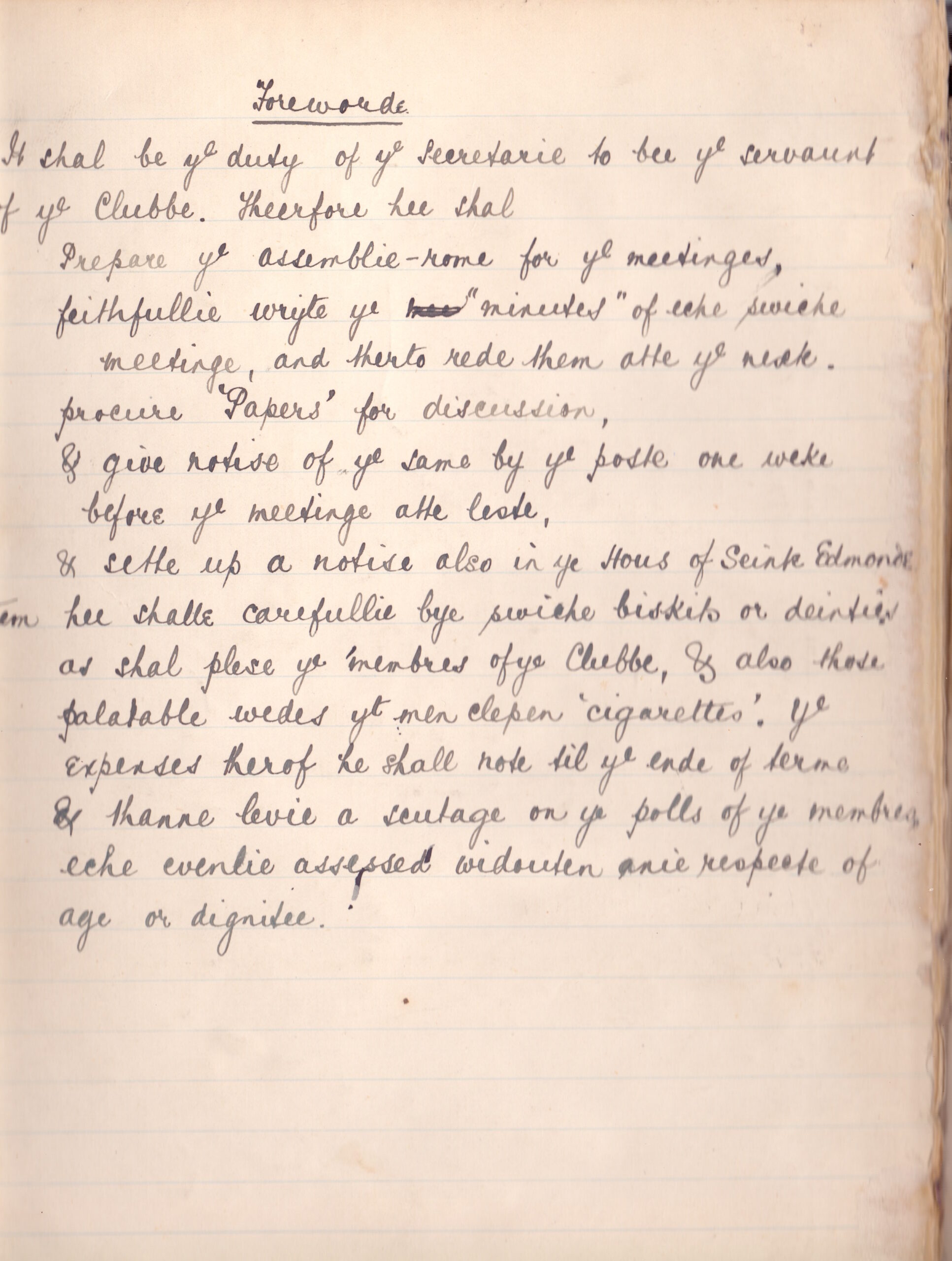
2 March 1903
First Von Hügel-Froude scholar appointed
October 1899
University’s catholic chaplaincy moves from St Edmund's to Green Street.
Our foundation
1900s
10 August 1898
4 acres and 2 roods of surrounding land conveyed to the College, which was bought by the Duke of Norfolk for £4,000 on 22 July 1898.
17 December 1897
Birth of Raymond Corboy.
14 December 1897
Memorandum of Association and Articles subscribed.
April 1897
Edmund House Tennis club formed. A hard court tennis court was the only outdoor amenity the house had at the time. A grass court was laid in 1900.
11 March 1897
First master elected: William Sutcliffe
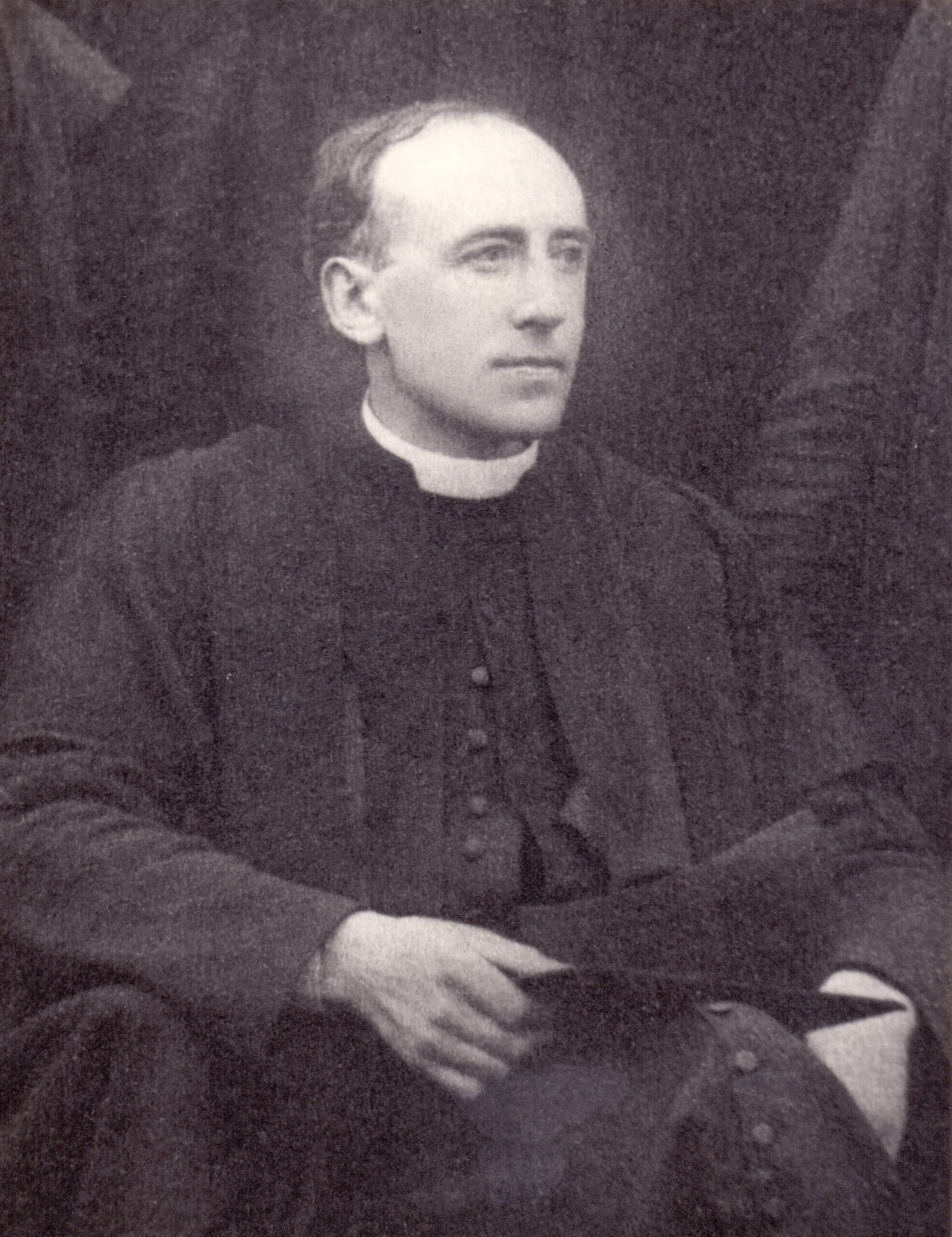
16 November 1896
First feast of St Edmund celebrated at the House, and St Edmund’s was blessed by Bishop Riddell.
25 September 1896
The Duke of Norfolk purchased Ayerst Hall, a building that would become St Edmund’s House. A century later, in 1996, that House became the St Edmund’s College community we know today.
6 October 2024
Alumnus Dr John Jumper has been awarded this year’s Nobel Prize in Chemistry, alongside fellow Cambridge alum Sir Demis Hassabis for developing an AI model to solve a 50-year-old problem: predicting proteins’ complex structures.
Sir Demis Hassabis and Dr John Jumper have successfully utilised artificial intelligence to predict the structure of almost all known proteins.
Dr John Jumper completed an MPhil in theoretical condensed matter physics at Cambridge’s famous Cavendish Laboratory in 2008, during which time he was a member of St Edmund’s College, before receiving his PhD in Chemistry from the University of Chicago.
Don't Look Back in Anger: the class of 1996
In 1996, St Edmund’s marked 100 years since it welcomed its first students. A boarding house for six Roman Catholic priests had grown into a community of around 200 scholars from around the world. The year also marked the start of a new chapter. Since 1896 St Edmund’s’ stature had risen steadily, being accepted by the university as a graduate college in 1965 and designated an ‘Approved Foundation’ in 1975. The last step was taken on 22 March 1996, when St Edmund’s’ application for full collegiate status was approved (subject to it obtaining a Royal Charter, which was granted by HM Elizabeth II on 22 April 1998) and St Edmund’s finally became a constituent college of the University of Cambridge.
The centenary was marked by formal celebrations. The Duke of Norfolk joined the Norfolk Commemorations. The Archbishop of Westminster, Cardinal Basil Hume, gave a special Centenary Mass. A Centenary May Ball was held. On 25 June, St Edmund’s hosted Prince Philip, the Duke of Edinburgh and Chancellor of the University, at a Centenary dinner. In August, the outgoing Master, Professor Richard Laws, welcomed guests to his last Garden Party and a performance of The Taming of the Shrew. A range of commemorative souvenirs were commissioned, including mugs, glass tankards, and a special Centenary teddy bear.
It was an exciting time. The Centenary coincided with the era of Cool Britannia, when British music, design, art, fashion, film, and youth culture were associated with a confident, outward-looking Britain. In the US, Vanity Fair put Liam Gallagher and Patsy Kensit on the cover and declared London swinging again. After 18 years of Conservative government, a youthful Tony Blair and New Labour looked set to take power. New information technologies were changing business and communications. Dolly the Sheep put British science in the global spotlight. Some of this may have seemed a world apart but, inevitably, what happened in the wider world was felt at St Edmund’s.
The start of the academic year in October 1996 saw the arrival of a group of new students from around the globe, the first to matriculate at St Edmund’s as a constituent college. It also saw the arrival of St Edmund’s’ twelfth Master, Professor Brian Heap. We spoke with four of the class of 1996 to find out what life at St Edmund’s was like at this historic moment.